

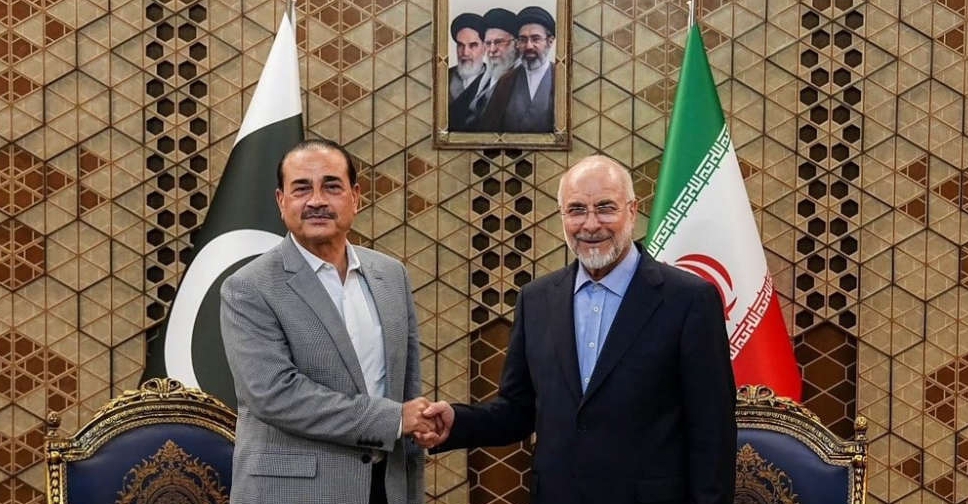
Iran, the United States and mediator Pakistan all said on Saturday that progress had been made in talks on ending almost three months of war.
Tehran is focused on finalising a memorandum of understanding, Iran's foreign ministry said after Iran's top negotiator Mohammad Baqer Qalibaf and Foreign Minister Abbas Araqchi met Asim Munir, Pakistan's army chief.
Munir also met President Masoud Pezeshkian before leaving Tehran, Iranian state media reported. The Pakistani army said negotiations over the previous 24 hours had resulted in "encouraging" progress towards a final understanding
US Secretary of State Marco Rubio, who is visiting India, also said some progress had been made on Iran and that the US might have "something to say" on the issue in the coming days.
"There's been some progress done, some progress made, even as I speak to you now, there's some work being done. There is a chance that, whether it's later today, tomorrow, in a couple days, we may have something to say," Rubio told reporters in New Delhi.
Iranian Foreign Ministry spokesperson Esmail Baghaei added: "The trend this week has been towards a reduction in disputes, but there are still issues that need to be discussed through mediators. We will have to wait and see where the situation ends in the next three or four days."
US AND IRAN BOTH REITERATE THEIR POSITIONS
Pakistan's mediation push aims to narrow differences between Iran and the US after weeks of war that have left the vital waterway of the Strait of Hormuz closed to most shipping despite a nervous ceasefire, upending global energy markets.
The talks reportedly centred on a 14-point document proposed by Iran, which it considers the main framework for the discussions, and messages exchanged between the two sides.
Baghaei said the issue of the US blockade on Iran's shipping was important, but that its priority was ending the threat of new US attacks and the ongoing conflict in Lebanon, where Iran-allied Hezbollah are fighting Israeli troops who have moved into the south.
Rubio repeated Trump's demands: "Iran can never have a nuclear weapon. The straits need to be open without tolls. They need to turn over their enriched uranium."
Qalibaf said Iran would pursue its "legitimate rights", both on the battlefield and through diplomacy, but added that it could not trust "a party that has no honesty at all", an allegation Iran has made several times before.
He said Iran's armed forces had rebuilt their capabilities during the ceasefire and that, if the United States "foolishly restarts the war", the consequences would be "more forceful and bitter" than at the start of the conflict.
US President Donald Trump, whose ratings have been hit by the war's impact on energy prices for US consumers, said on Friday he would not attend his son's wedding this weekend, citing Iran among reasons he planned to stay in Washington.
Despite weeks of conflict, Iran has preserved its stockpile of near-weapons-grade enriched uranium as well as missile, drone and proxy capabilities that the United States and Israel say they aim to curb.

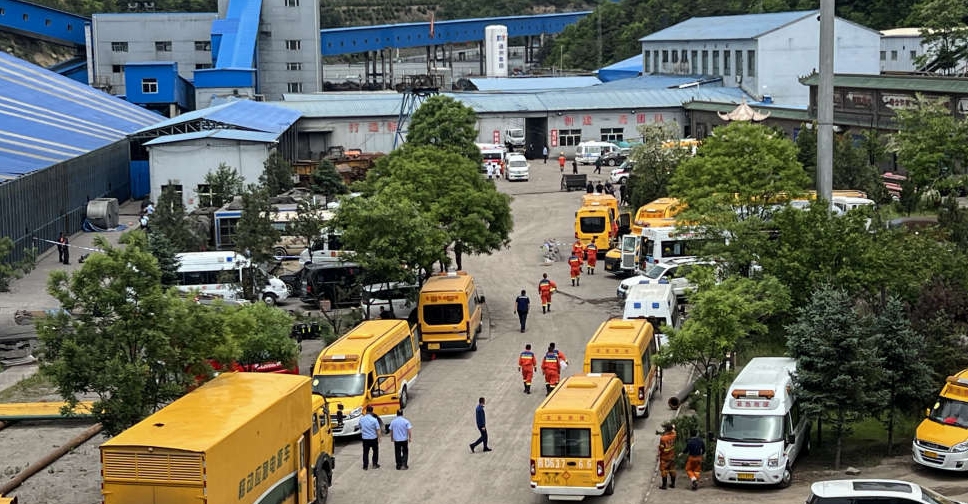 At least 90 dead in China's worst coal mine disaster in over 16 years
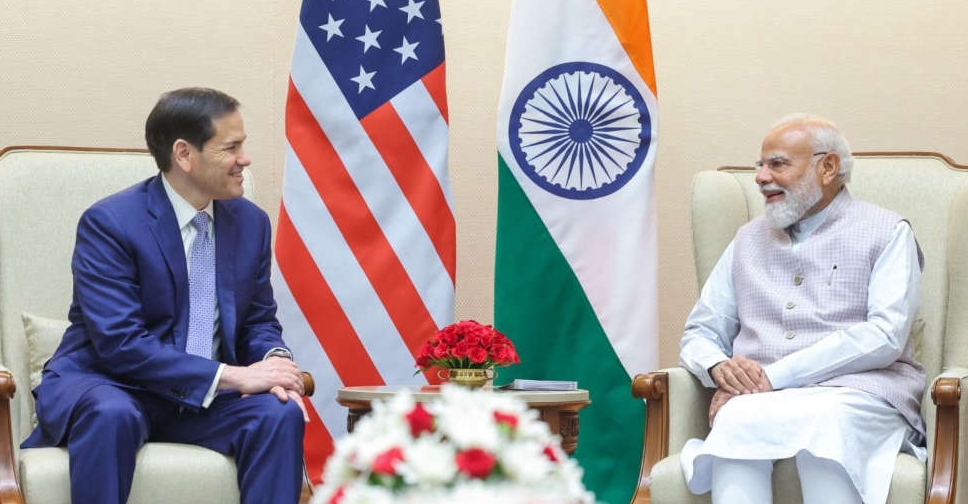 Rubio touts US energy on India trip meant to repair ties
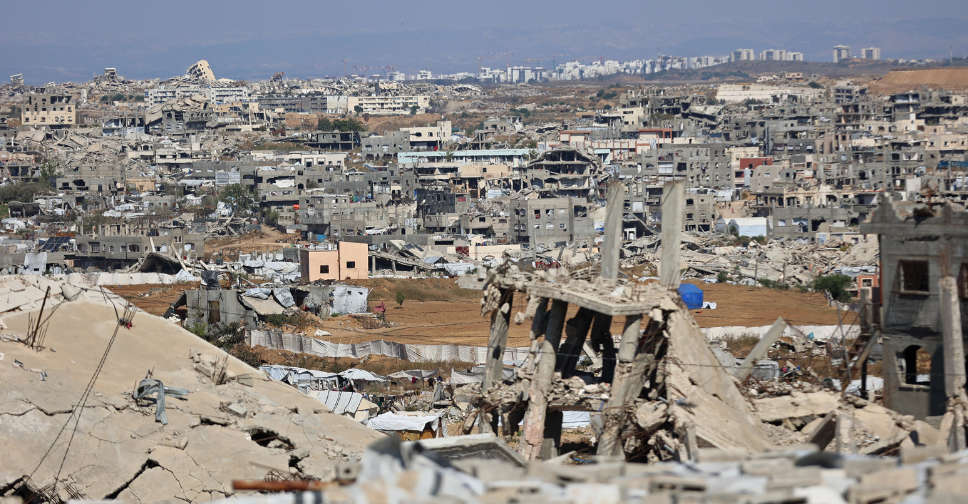 Israeli strike kills five Gaza police officers, police say
 Uganda confirms three new Ebola cases, bringing total to five
 Israeli strikes kill six Lebanese medics in 24 hours, health ministry says
 Russia says 18 killed in strike on student dorm that it blames on Ukraine
 US tells foreigners seeking green cards: Return to your countries to apply
 Senegal president sacks PM Sonko, dissolves government