


The World Health Organization says "sustained transmission" of monkeypox worldwide could see the virus begin to move into high-risk groups, such as pregnant women, immunocompromised people and children.
WHO said on Wednesday it was investigating reports of infected children, including two cases in Britain, as well as following up reports in Spain and France.
None of the cases in children have been severe.
The virus has now been identified in more than 50 new countries outside the countries in Africa where it is endemic.
Cases are also rising in those nations, said WHO, calling for testing to be ramped up.
"I'm concerned about sustained transmission because it would suggest that the virus (is) establishing itself and it could move into high risk groups including children, the immunocompromised and pregnant women," said WHO chief Tedros Adhanom Ghebreyesus in an online briefing from Geneva on Wednesday.
There have been more than 3,400 cases of monkeypox, and one death, since the outbreak began in May, largely in Europe among men, according to a WHO tally.
There have also been more than 1,500 cases and 66 deaths in countries this year where it more usually spreads.
Last week, the WHO ruled that the outbreak did not yet represent a public health emergency, its highest level of alert.
However, Tedros said the WHO was tracking the outbreak closely and would reconvene the committee "as soon as possible" to assess whether this was still the case.
The UN agency said it was also working on a mechanism to distribute vaccines more equitably, after countries including Britain and the United States suggested they were willing to share their stockpiled smallpox vaccines, which also protect against monkeypox.


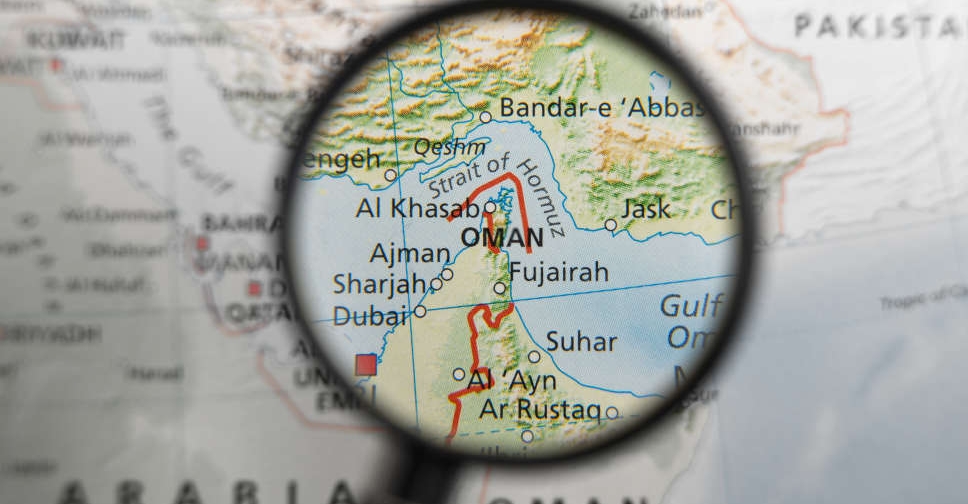 Hope for progress after US, Iran hold first shuttle talks in months
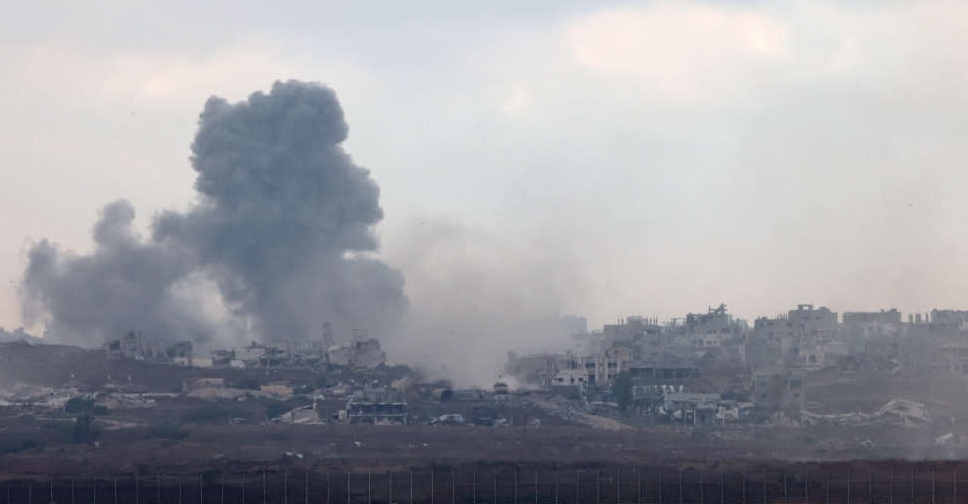 Four killed in Gaza in strikes, Israel says it killed a Hamas finance chief
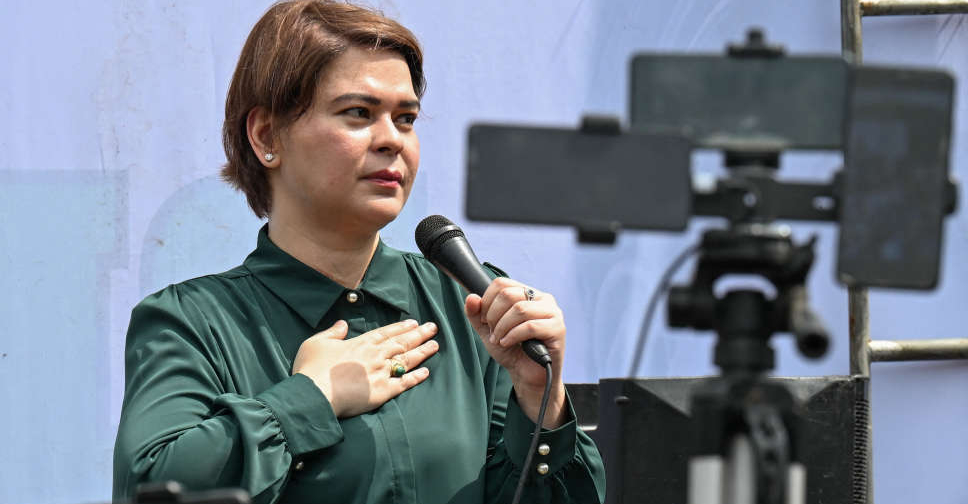 Philippine Senate lowers threshold for conviction in VP Duterte's impeachment trial
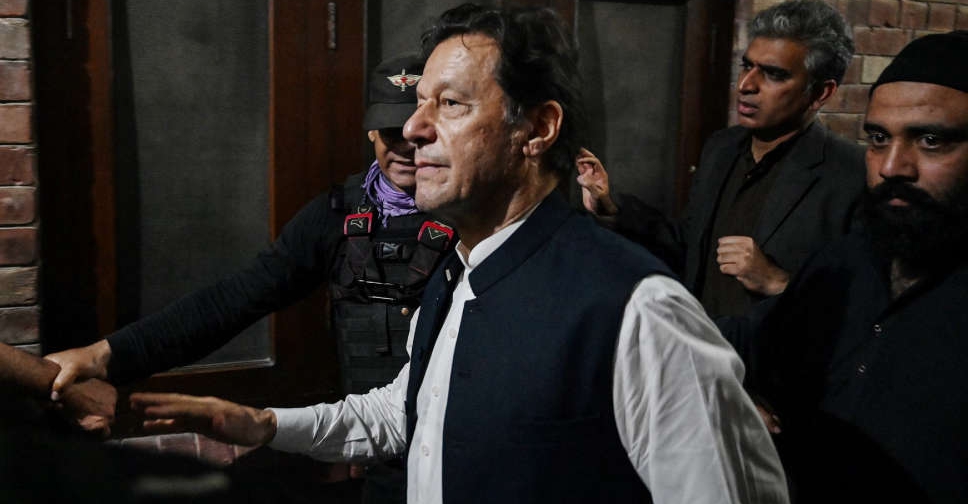 Pakistan tightens security ahead of march planned by Imran Khan's party
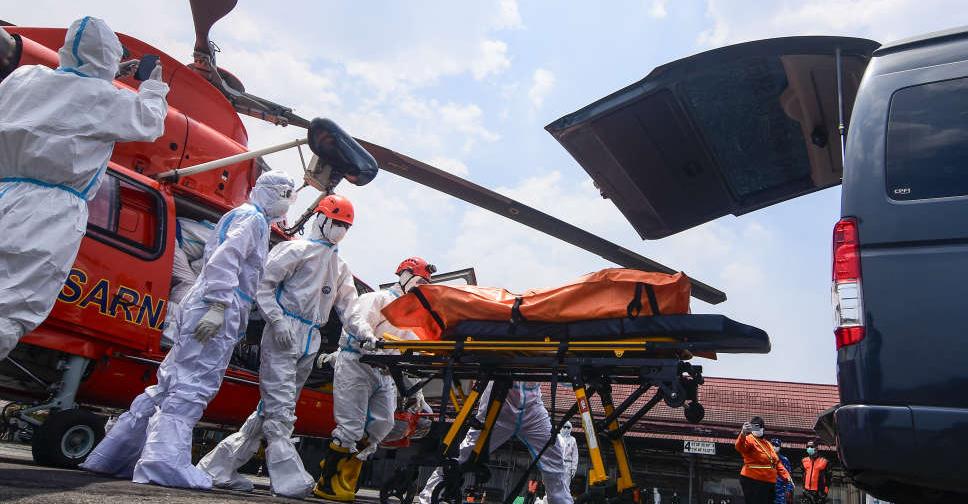 Search continues after death toll from capsized Indonesia ship rises to 20
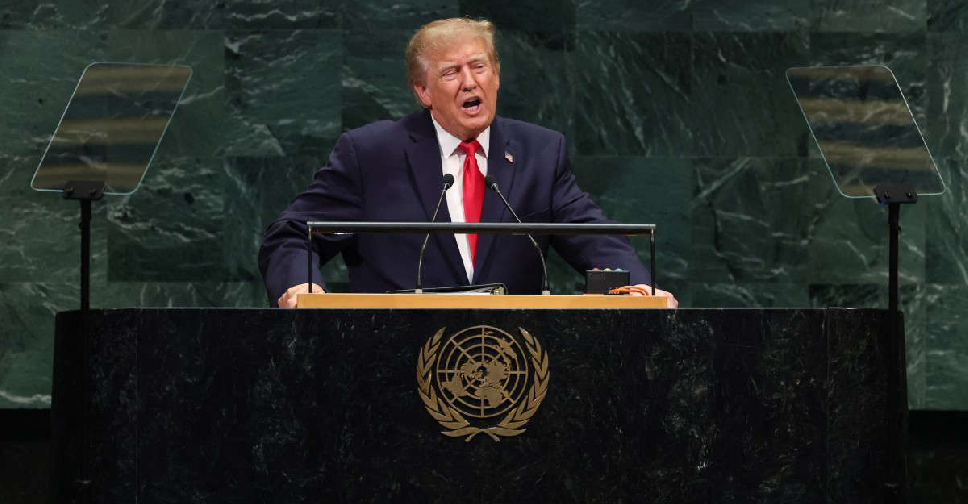 Trump urges complete isolation of Iran, expects deal after election
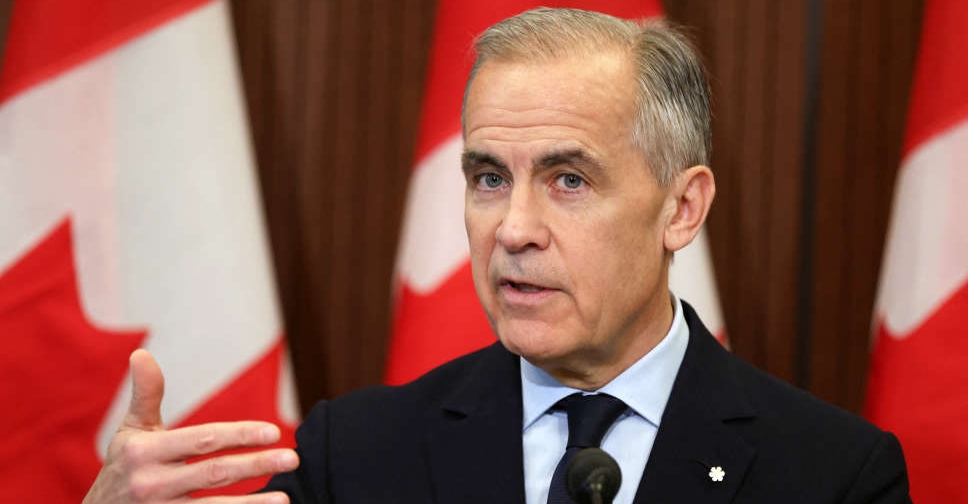 Canada to pledge $70 million in international aid for Palestine
 Mexico classrooms go phone-free under new school rules