

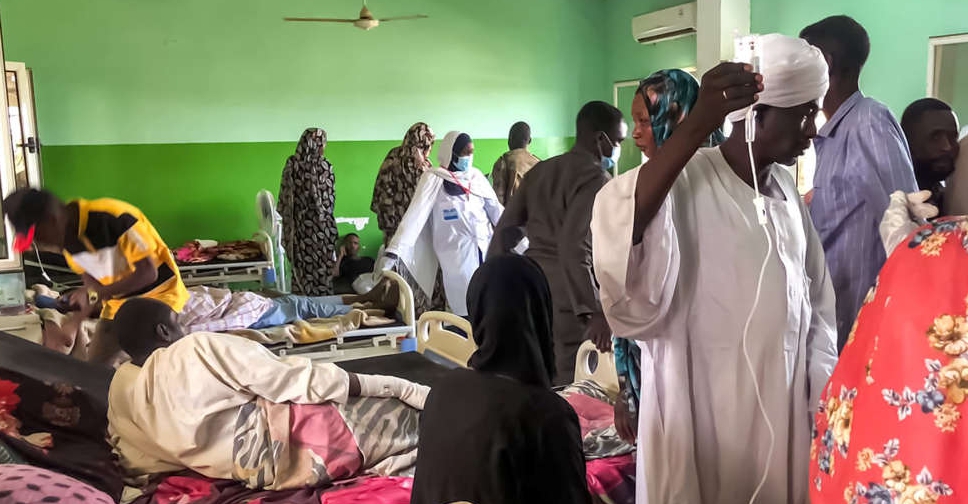
The World Health Organisation (WHO) expects "many more" deaths in Sudan due to outbreaks of disease and a lack of essential services amid fighting, its director general said on Wednesday.
Battles between Sudan's army and the Rapid Support Forces (RSF) since mid-April has killed at least 459 people and injured more than 4,000, according to the WHO.
"On top of the number of deaths and injuries caused by the conflict itself, the WHO expects there will be many more deaths due to outbreaks, lack of access to food and water and disruptions to essential health services, including immunisation," WHO director general Tedros Adhanom Ghebreyesus said.
Tedros added that only 16 per cent of health facilities were functioning in the Sudanese capital.
"WHO estimates that one quarter of the lives lost so far could have been saved with access to basic haemorrhage control. But paramedics, nurses and doctors are unable to access injured civilians, and civilians are unable to access services."
The UN health body was carrying out a risk assessment to determine whether the seizure of a laboratory in Khartoum housing pathogens represented a risk to public health.
"When lab workers are forced to leave a laboratory and untrained people enter that laboratory, there are always risks, but the risks are primarily to those individuals first and foremost to accidentally expose themselves to the pathogens," said Mike Ryan, head of WHO's health emergencies programme.
However, the absence of clean water and vaccines, as well as other sanitation issues, represented the main risk to Sudanese, he added.


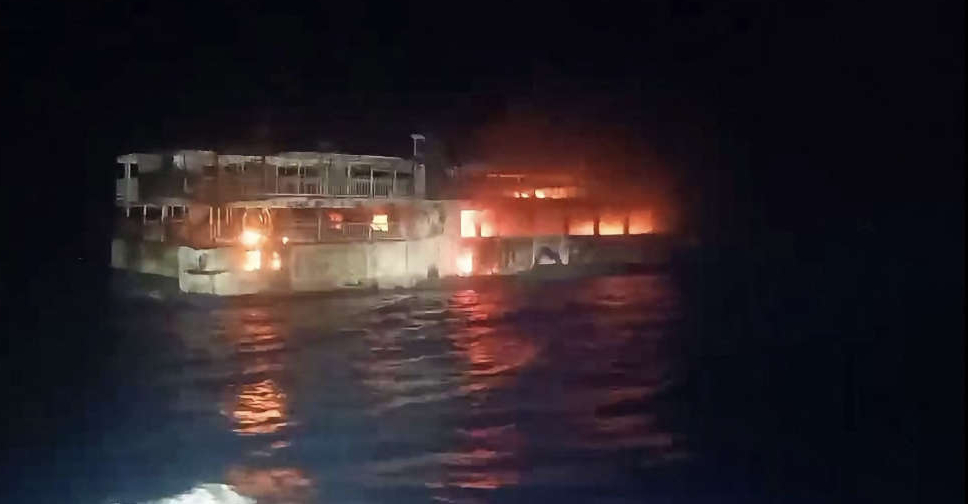 5 dead, more than 80 missing after Philippine ferry fire
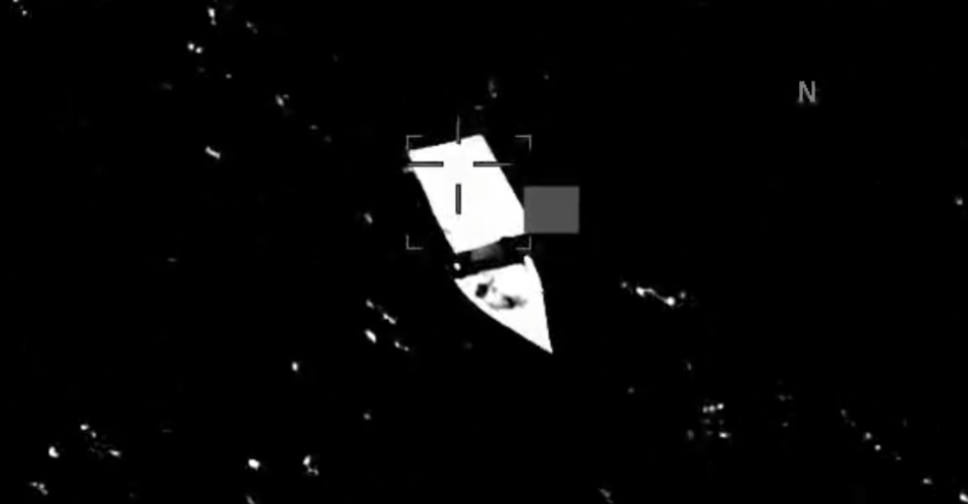 US military says it struck vessel in Caribbean, killing 3
 At least 14 killed in explosion at weapons depot in Syria
 US hits five Iranian oil tankers after attack on Navy ships
 UK gives air traffic provider a week to probe outage that halted flights
 Serbia's President Vucic dissolves parliament, calls snap elections
 With large crowds attending, Norway lays King Harald to rest
 Jordan intercepts 18 Iranian ballistic missiles