

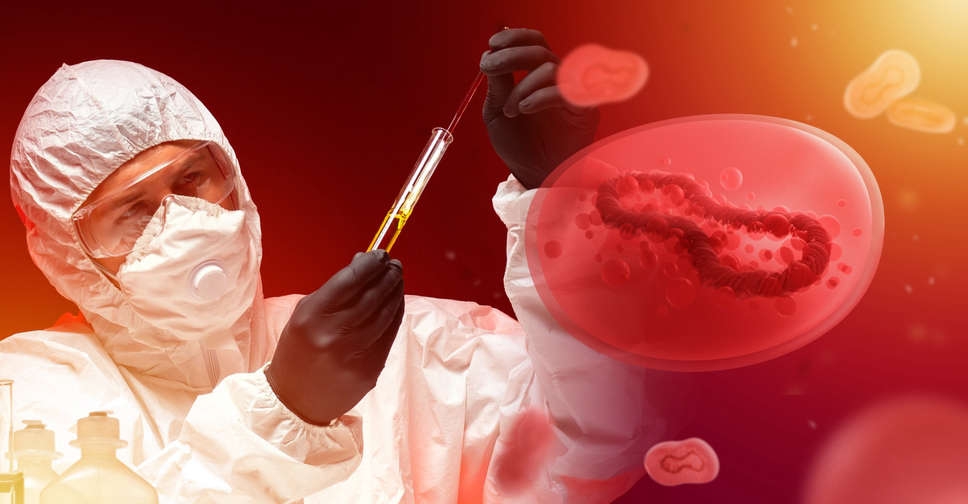
The World Health Organisation (WHO) on Wednesday declared mpox a global public health emergency for the second time in two years, following an outbreak of the viral infection in the Democratic Republic of Congo that has spread to neighbouring countries.
Mpox can spread through close contact. Usually mild, it is fatal in rare cases. It causes flu-like symptoms and pus-filled lesions on the body.
Determining a disease outbreak as a "public health emergency of international concern" or PHEIC — the WHO's highest level of alert — can accelerate research, funding and international public health measures and co-operation to contain a disease.
The outbreak in Congo began with the spread of an endemic strain, known as clade I. But a new variant, clade Ib, appears to spread more easily through routine close contact, including sexual contact.
It has spread from Congo to neighbouring countries, including Burundi, Kenya, Rwanda and Uganda, triggering the action from the WHO.
"It's clear that a coordinated international response is essential to stop these outbreaks and save lives," said WHO Director-General Tedros Adhanom Ghebreyesus.
Earlier this week, Africa's top public health body declared an mpox emergency for the continent after warning that the viral infection was spreading at an alarming rate.
More than 17,000 suspected mpox cases and 517 deaths have been reported on the African continent so far this year, a 160 per cent increase in cases compared to the same period last year, the Africa Centres for Disease Control and Prevention said.
A total of 13 countries have reported cases.

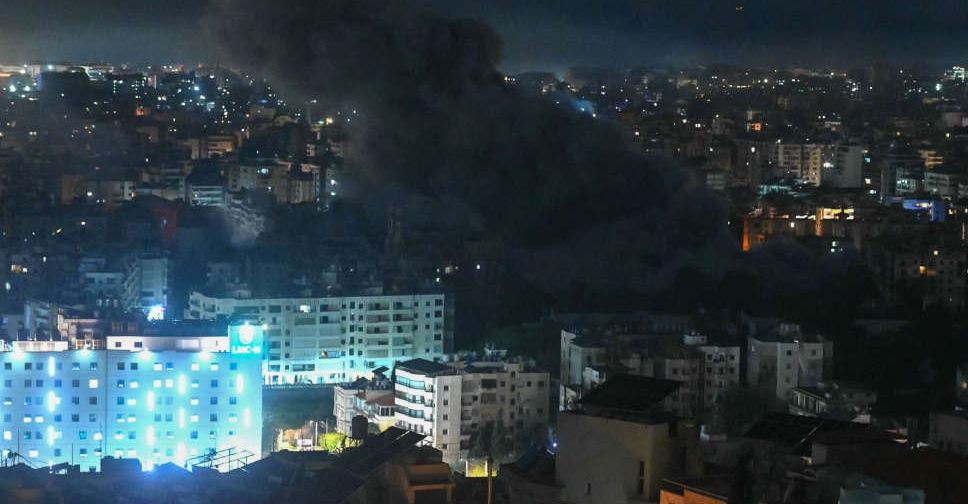 Hezbollah warns Israeli residents to evacuate towns near border
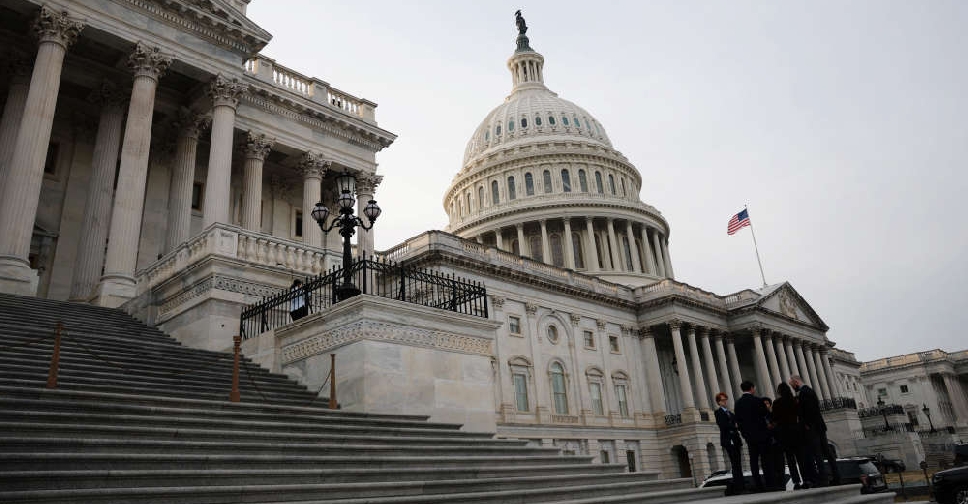 US House rejects war powers resolution, backs Trump on Iran war
 Saudi Arabia, Qatar, Kuwait intercept drones targeting territory
 GCC and EU ministers urge immediate halt to Iranian attacks
 India's tech state Karnataka bans social media for children under 16
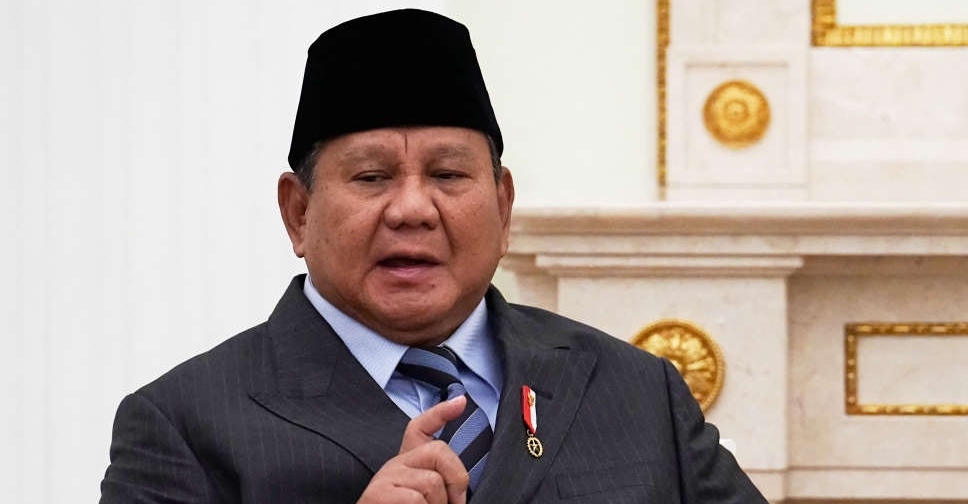 Indonesia says it will withdraw from Board of Peace if it does not benefit Palestinians
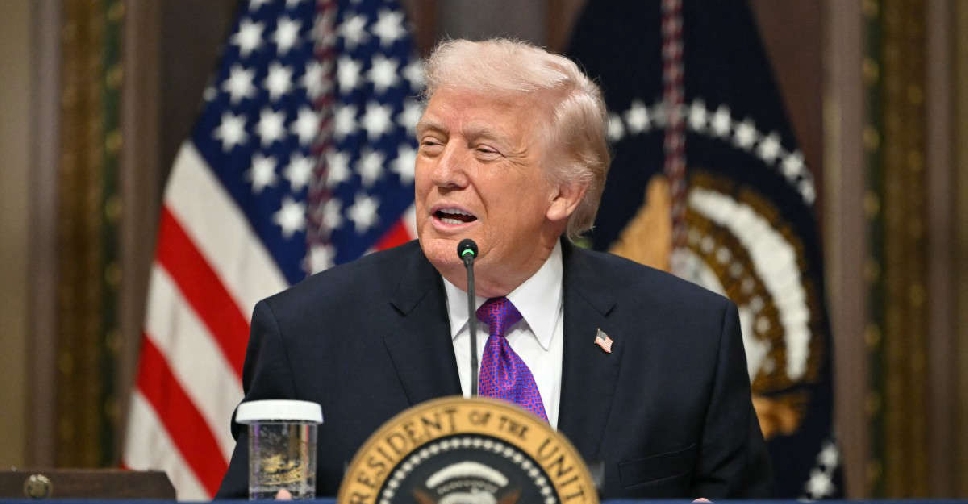 Trump wants say on Iran's next leader
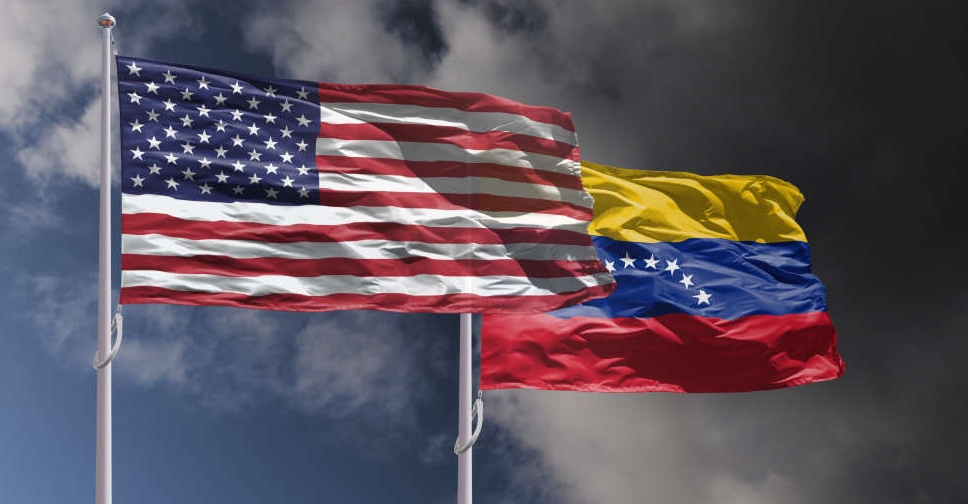 US, Venezuela agree to re-establish diplomatic ties