


The World Health Organisation (WHO) said it would study fresh evidence on airborne transmission of the coronavirus.
"The possibility of airborne transmission in public settings - especially in very specific conditions, crowded, closed, poorly ventilated settings that have been described, cannot be ruled out," said Benedetta Allegranzi, WHO's technical lead for infection prevention and control.
The organisation said the new evidence, put forth by a group of 239 scientist, will be studied and its guidelines revised accordingly.
Previously, the WHO had said the virus spreads primarily through small droplets expelled from the nose and mouth of an infected person that quickly sink to the ground.


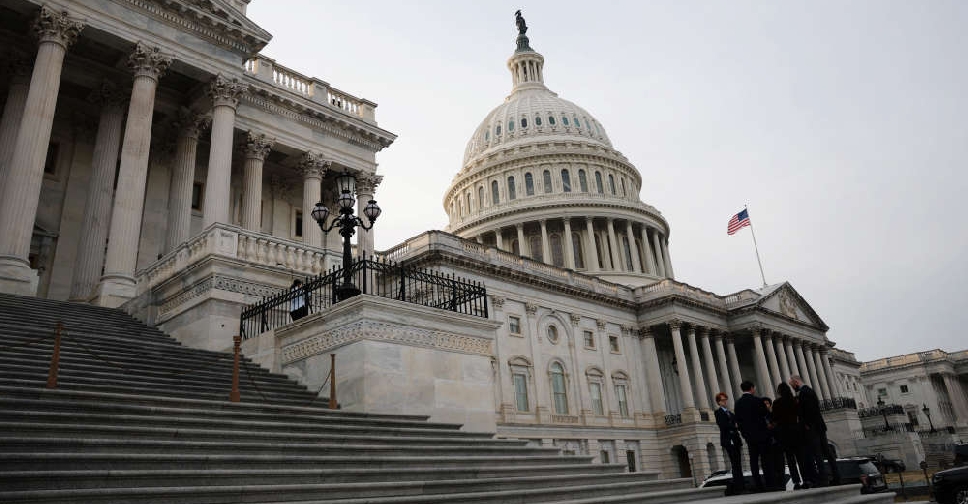 US House rejects war powers resolution, backs Trump on Iran war
 GCC and EU ministers urge immediate halt to Iranian attacks
 Trump wants say on Iran's next leader
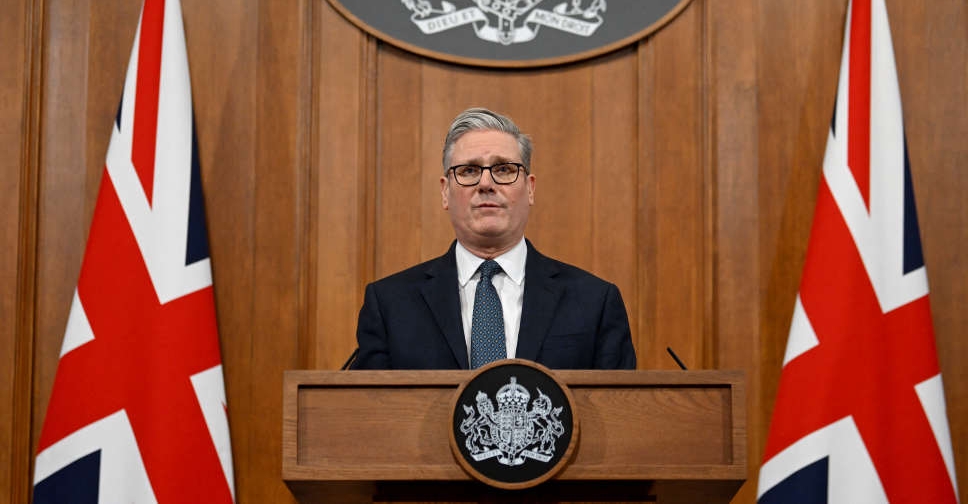 British PM Starmer to send four Typhoon jets to Qatar
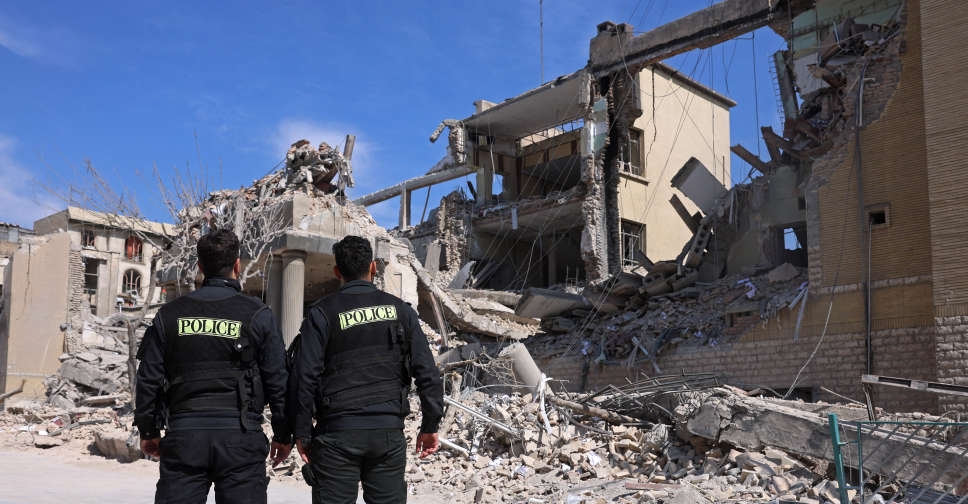 Bombing of Tehran intensifies as war enters day six
 Azerbaijan vows to respond after four injured by Iranian drones
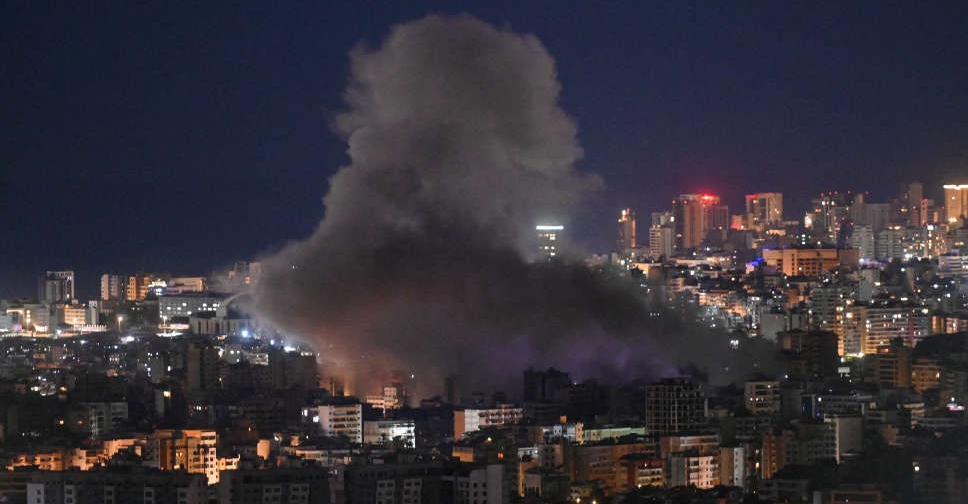 72 killed in Israeli attacks on Lebanon as it warns residents to leave south
 Nepal goes to the polls; voters seek change after youth-led protests