

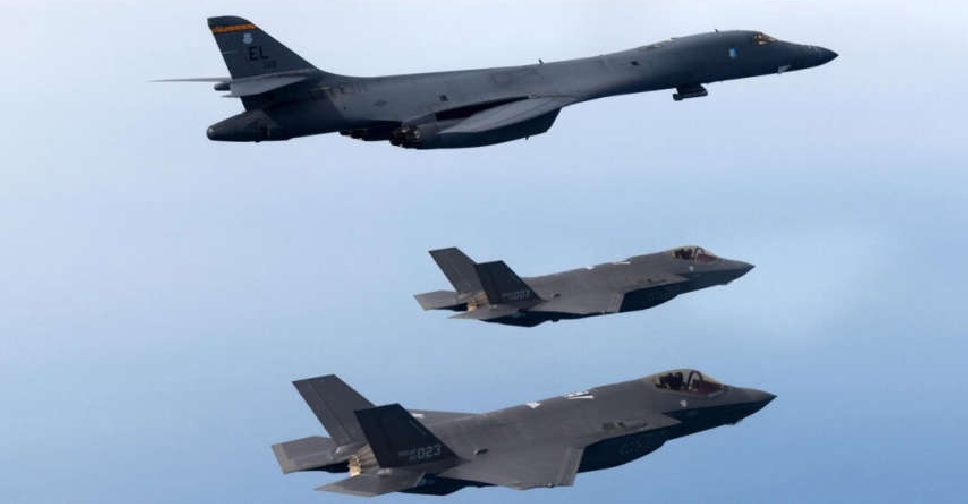
The United States and South Korea held a joint air exercise involving U.S. strategic bombers on Sunday, a day after North Korea fired a Hwasong-15 intercontinental ballistic missile (ICBM) in a "sudden launching drill".
South Korea's Joint Chiefs of Staff said the exercise, where South Korea's F-35A, F-15K and U.S. F-16 fighters escorted American B-1B bombers, demonstrated the allies' "overwhelming" defence capabilities and readiness posture.
"(The exercise) strengthened the combined operation capability and affirmed the United States' ironclad commitment to the defence of the Korean Peninsula and the implementation of extended deterrence," the South's military said in a statement.
Japan's Fuji News Network said Japan and the United States were also likely to conduct a joint air drill as early as Sunday afternoon.
The U.S.-South Korea exercise comes a day after North Korea launched a long-range ballistic missile into the sea off Japan's west coast, following a warning of a strong response to upcoming military drills by South Korea and the United States.
North Korea's state media KCNA said the country conducted a "sudden launching drill" on Saturday in an "actual proof" of its efforts to turn the "capacity of fatal nuclear counterattack on the hostile forces into the irresistible one".
Leader Kim Jong Un's sister, Kim Yo Jong, issued yet another warning and bristled at the United States for trying to turn the U.N. Security Council into what she called a "tool for its heinous hostile policy" toward Pyongyang.
"I warn that we will watch every movement of the enemy and take corresponding and very powerful and overwhelming counteraction against its every move hostile to us," she said in a statement.
Saturday's missile launch, the North's first since January 1, came after Pyongyang threatened on Friday an "unprecedentedly persistent, strong" response as South Korea and the United States gear up for annual military exercises as part of efforts to fend off the North's growing nuclear and missile threats.
The North Korean state news agency said the missile had flown for 1 hour, 6 minutes and 55 seconds, as high as 5,768 km (3,584 miles), before accurately hitting a pre-set area 989 km (614 miles) away in open waters. Hwasong-15 was first tested in 2017.
Japan said on Saturday the missile had plunged into waters inside its exclusive economic zone.


 Trump touts $5,000 payout if Republicans win as Vance waits in wings
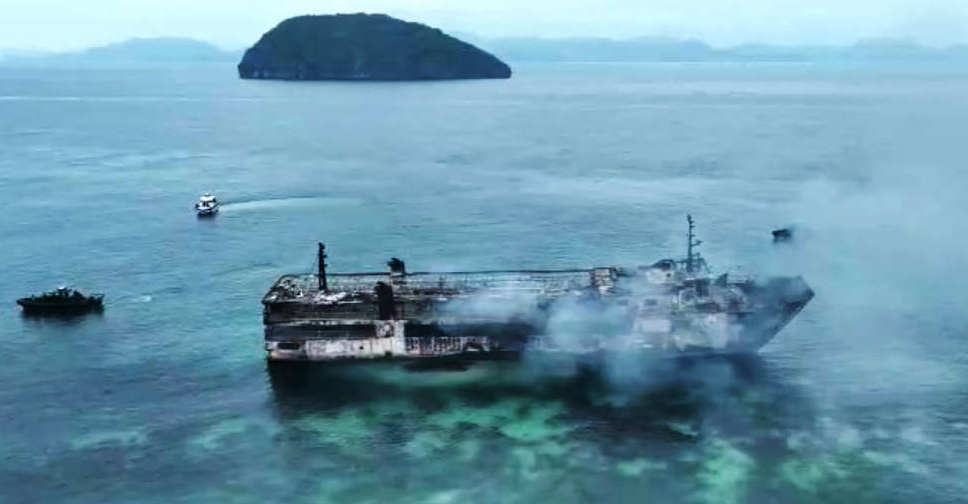 Search expands after Philippine ferry fire kills five and leaves dozens missing
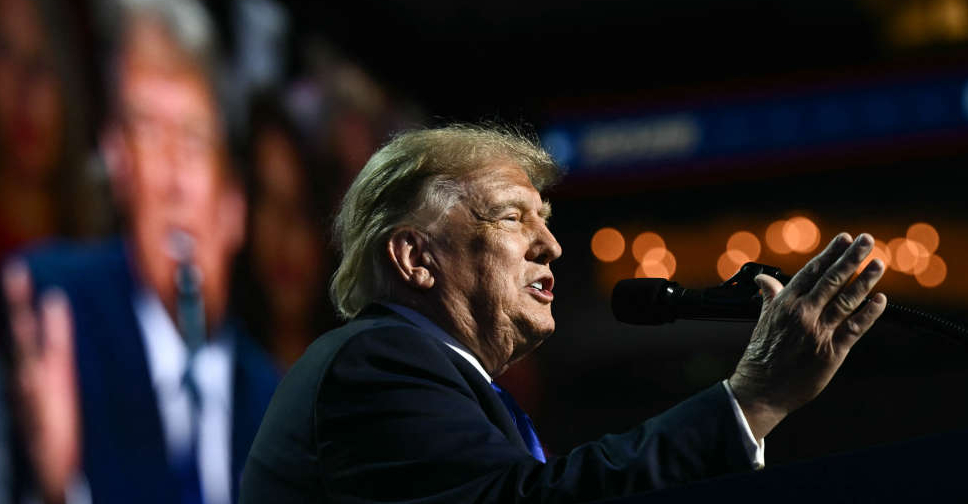 Trump says Iran war to end after US midterm elections
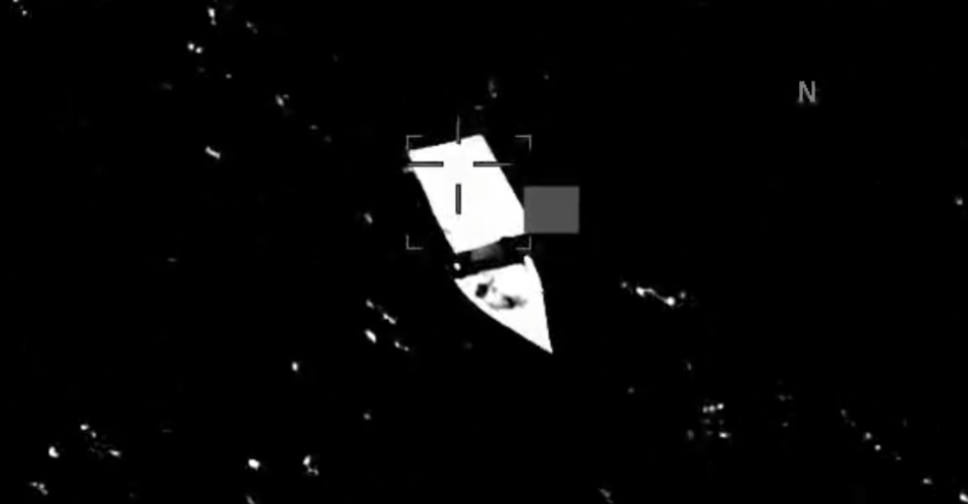 US military says it struck vessel in Caribbean, killing 3
 At least 14 killed in explosion at weapons depot in Syria
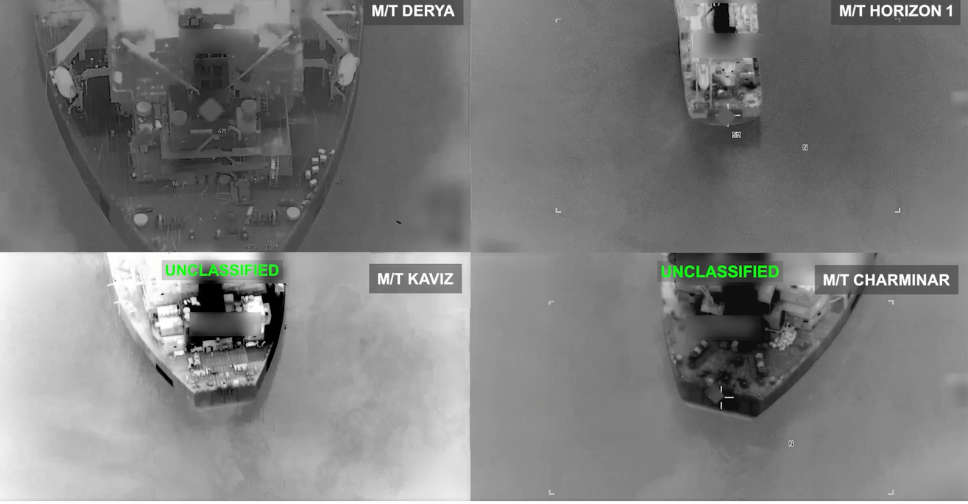 US hits five Iranian oil tankers after attack on Navy ships
 UK gives air traffic provider a week to probe outage that halted flights
 Serbia's President Vucic dissolves parliament, calls snap elections