

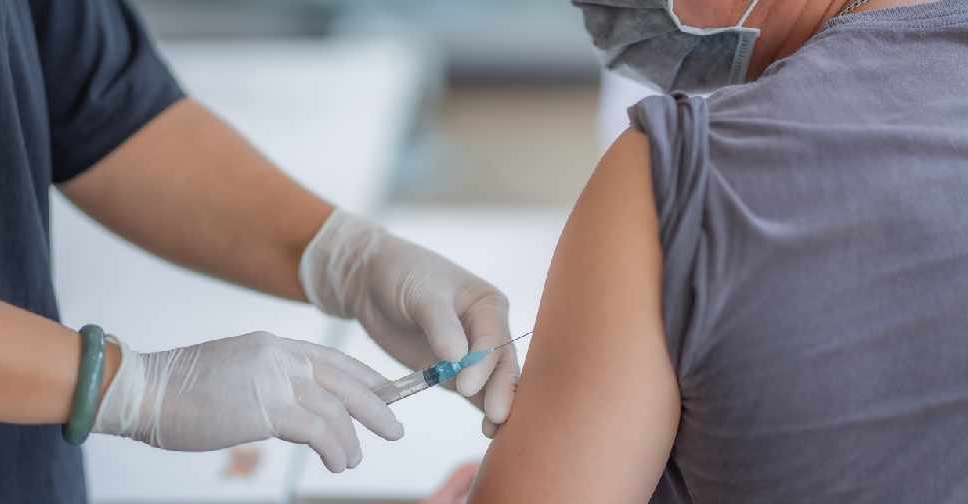
Nearly 2 billion doses of COVID-19 vaccines will be shipped and flown to developing countries next year in a "mammoth operation", the UN children's agency UNICEF said on Monday.
UNICEF said it was working with over 350 airlines and freight companies to deliver vaccines and 1 billion syringes to poor countries such as Burundi, Afghanistan and Yemen as part of COVAX, a global COVID-19 vaccine allocation plan with the World Health Organisation (WHO).
"This invaluable collaboration will go a long way to ensure that enough transport capacity is in place for this historic and mammoth operation," said Etleva Kadilli, director of UNICEF's Supply Division, in a statement.
COVAX - co-led by GAVI vaccine group, the WHO and the Coalition for Epidemic Preparedness Innovations - aims to discourage governments from hoarding COVID-19 vaccines and to focus on first vaccinating the most at risk in every country.
At a G20 summit this weekend, leaders of the biggest 20 world economies pledged to ensure the equitable distribution of COVID-19 vaccines, drugs and tests so that poorer countries are not left out.
Even before the pandemic hit, access to vaccines was unequal with around 20 million babies not receiving vaccines that could save them from serious diseases, death, disability and ill health, according to the WHO.
"We need all hands on deck as we get ready to deliver COVID-19 vaccine doses, syringes and more personal protective equipment to protect frontline workers around the globe," said UNICEF'S Kadilli, who is working with the Pan American Health Organisation and the International Air Transport Association.
UNICEF's role with COVAX stems from its status as the largest single vaccine buyer in the world.
It said it procures more than 2 billion doses of vaccines annually for routine immunisation and outbreak response on behalf of nearly 100 countries.
Drugmakers and research centres worldwide are racing to develop COVID-19 vaccines, with large global trials of several of the candidates involving tens of thousands of participants well underway.
Pfizer Inc and BioNTech could secure emergency US and European authorisation for their COVID-19 vaccine next month after final trial results showed a 95 per cent success rate and no serious side effects.
Moderna Inc last week released preliminary data for its vaccine showing 94.5 per cent effectiveness.
The better-than-expected results from the two vaccines, both developed with new messenger RNA (mRNA) technology, have raised hopes for an end to a pandemic that has killed more than 1.3 million people and wreaked havoc upon economies and daily life.


 Trump touts $5,000 payout if Republicans win as Vance waits in wings
 Search expands after Philippine ferry fire kills five and leaves dozens missing
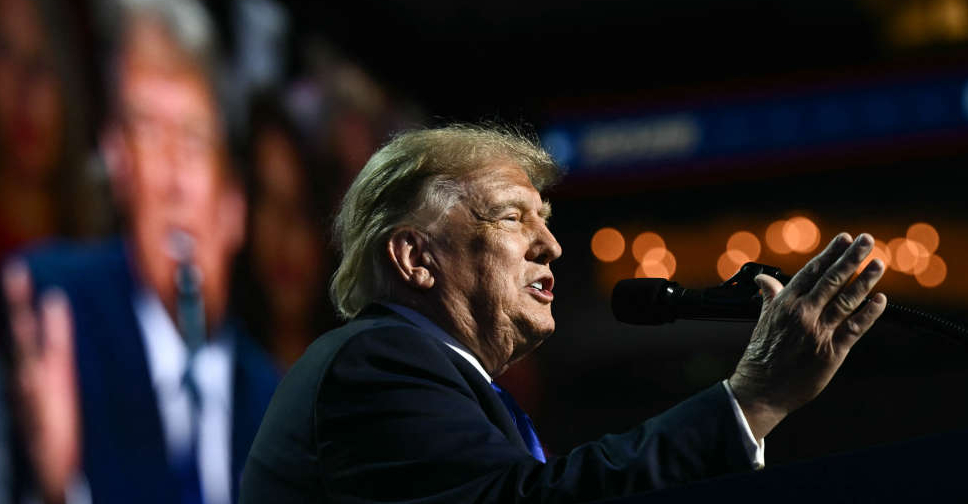 Trump says Iran war to end after US midterm elections
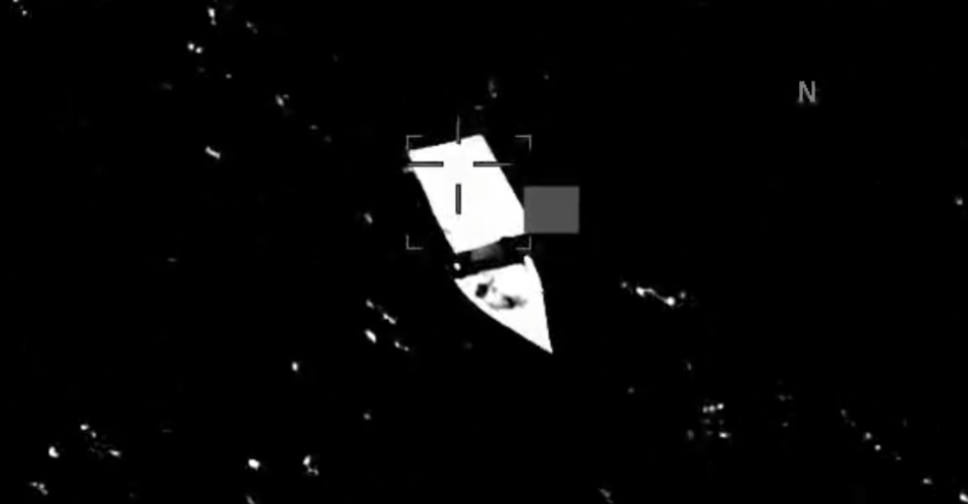 US military says it struck vessel in Caribbean, killing 3
 At least 14 killed in explosion at weapons depot in Syria
 US hits five Iranian oil tankers after attack on Navy ships
 UK gives air traffic provider a week to probe outage that halted flights
 Serbia's President Vucic dissolves parliament, calls snap elections