

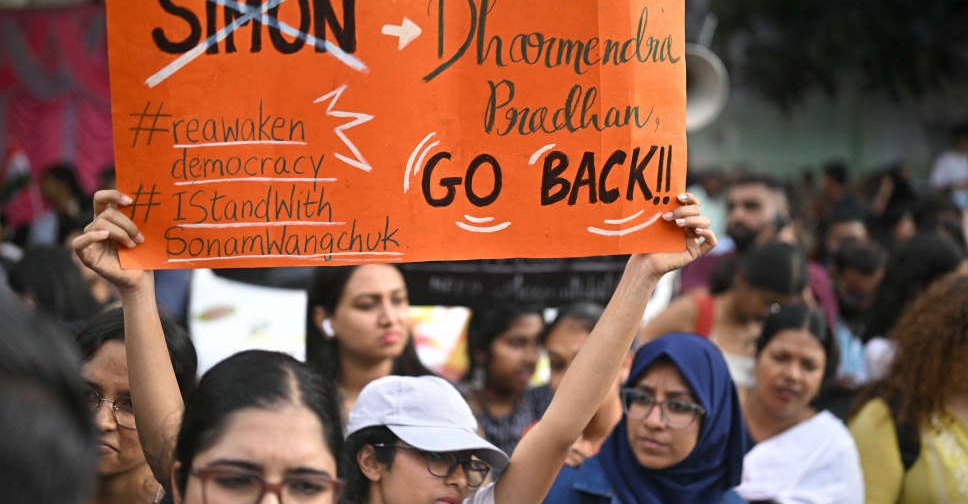
Indian opposition lawmakers disrupted parliament on Wednesday in support of student protesters, echoing their calls for the education minister to resign over exam leaks and ratcheting up pressure on Prime Minister Narendra Modi after days of unrest.
The protests, which started last month over the leak of medical school entrance exam papers that affected some 2 million students, grew this week when tens of thousands of young protesters took to the streets of New Delhi on Monday, with police using tear gas and batons to push them back.
Protests have since spread around the country to Mumbai, Bengaluru, Kolkata, Goa, Guwahati, Thiruvananthapuram, Jammu and Ahmedabad, heightening the biggest youth challenge to Modi since he came to power in 2014.
Opposition lawmakers led by Rahul Gandhi gathered outside the parliament building in New Delhi on Wednesday, many dressed in black and waving placards calling on Education Minister Dharmendra Pradhan to quit.
Later, they disrupted proceedings by shouting and interrupting the speaker, forcing repeated suspensions of the lower and upper house.
Gandhi told a press conference that students want Pradhan to quit, those who beat them during protests in Delhi to be held accountable, and Modi to apologise to them.
"We are fully backing them. This is not negotiable under any circumstance," he said.
On Tuesday, Gandhi's main opposition Congress party launched a sit-in outside Modi's residence. Police detained Gandhi, his sister Priyanka Vadra, and several other opposition leaders but released them later.
PROTESTS SPREAD TO SEVERAL CITIES
The protests by the Cockroach Janta Party (CJP) began as an online satire and involved only a few hundred young people when they were first launched.
On Wednesday, thousands of protesters again gathered at their Jantar Mantar protest site in Delhi, shouting slogans and waving the Indian flag.
Security remained high in the capital. The Delhi Metro Rail Corp. shut 16 stations in central areas, reopening them on Wednesday evening.
Members of Modi's Bharatiya Janata Party (BJP) launched counter-protests against Congress in several Indian cities.
Water cannons were used to disperse the BJP protesters in the cities of Jaipur, Raipur, and Thiruvananthapuram, and protestors hurled stones at each other in Patna, local media reports and visuals showed.
Late on Tuesday, Pradhan, in his first comments since demands for his resignation were made, said that the government was committed to addressing concerns and reforming exams.
ACTIVIST PLACES FRESH CONDITION TO END FAST
Pradhan, 57, is a senior BJP politician and has been regarded as a potential leader of the party.
A minister since Modi first took office in 2014, he has held several posts. Modi and the BJP have not responded to demands for his resignation, which analysts say indicates his importance within the party.
The CJP's surge in popularity reflects frustrations among young Indians over a lack of jobs and frequent exam leaks that can jeopardise their future. It has also given opposition parties a rare opening to pressure Modi and the BJP, which counts young voters as a core base.
The CJP movement gained momentum from the support of activist Sonam Wangchuk, who began a hunger strike on June 28, but was forcibly moved to a hospital by police on Saturday.
On Tuesday, he was moved to a private hospital following a court order in response to a petition from his wife.
Two ministers from Modi's government met Wangchuk on Tuesday night and urged him to end his fast.
He said he would end his fast only if the government assured that protesters would face no "punitive or retaliatory legal action" for participating in the movement.

 5 dead, more than 80 missing after Philippine ferry fire
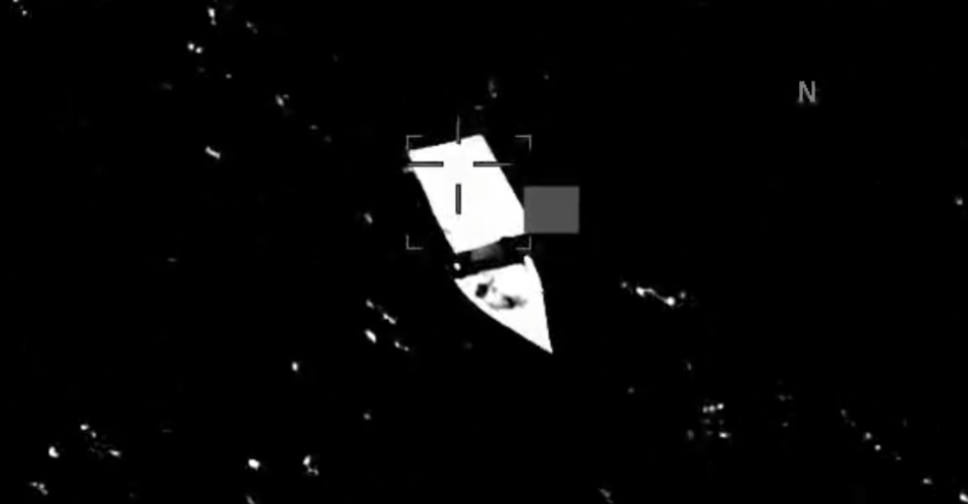 US military says it struck vessel in Caribbean, killing 3
 At least 14 killed in explosion at weapons depot in Syria
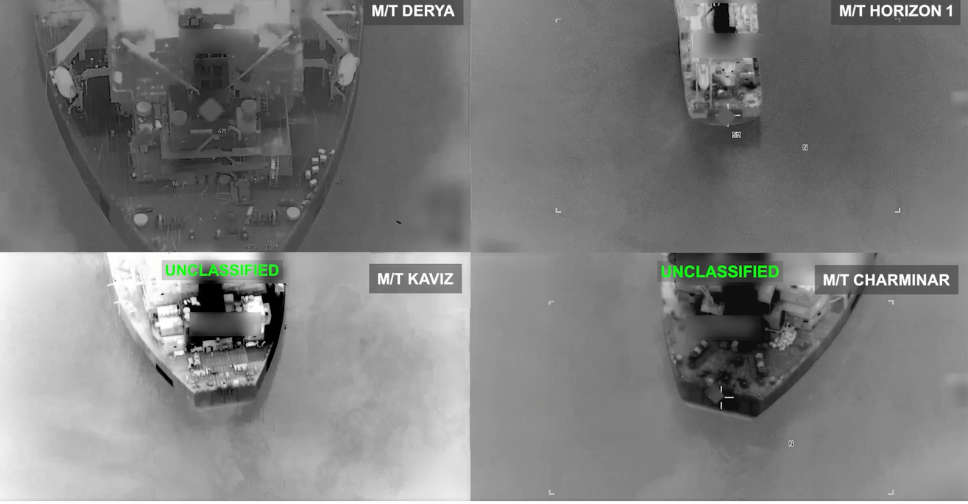 US hits five Iranian oil tankers after attack on Navy ships
 UK gives air traffic provider a week to probe outage that halted flights
 Serbia's President Vucic dissolves parliament, calls snap elections
 With large crowds attending, Norway lays King Harald to rest
 Jordan intercepts 18 Iranian ballistic missiles