

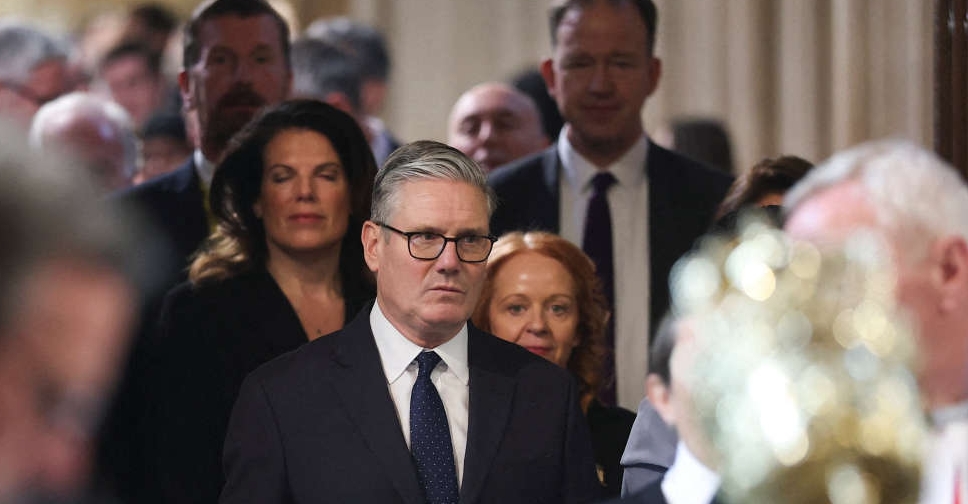
Keir Starmer faced his biggest challenge yet on Wednesday when his health minister was reported to be readying his resignation to try to trigger a contest to replace a British prime minister who had sought some respite to set out his government's agenda.
As Starmer and his ministers stood in silence to hear King Charles read out their government's agenda, the ceremony was overshadowed by what could be the most dangerous threat to the prime minister since lawmakers began urging him to resign over one of Labour's worst defeats in last week's local elections.
The report in the Times newspaper that health minister Wes Streeting was preparing to resign as early as Thursday to mount a formal leadership challenge could mean the Starmer government's agenda, outlined by Charles amid much pomp and ceremony, might never be implemented.
Streeting's office did not immediately respond to a request for comment.
British government bond futures fell sharply on the report, erasing their day's gains, as did 20- and 30-year government bonds, while the pound weakened against the euro.
Earlier, Streeting had briefly met Starmer at the prime minister's Downing Street office but the health minister's team said he would not comment on that meeting to make sure he did not distract from the King's Speech.
Streeting took to X to promote his achievements in tackling waiting times for Britain's state-run health service. "Lots done, lots to do," he wrote, failing to address the report.
LEADERSHIP RACE COULD BE TRIGGERED
Starmer has tried to brush off the challenges to his authority and the King's Speech - written by the government and delivered by the monarch - announced plans to boost economic growth, energy security and defence.
But a direct challenge from Streeting would signal a deeper crisis for Starmer, which could trigger a new leadership contest if the health minister has the support of 81 Labour lawmakers to launch a bid.
That could encourage other rivals to enter the race, although two potential challengers, Greater Manchester mayor Andy Burnham and former deputy prime minister Angela Rayner, have to overcome hurdles before they would be able to run.
Burnham does not have the necessary seat in parliament to mount a challenge and Rayner has yet to fully resolve the tax issues that prompted her resignation from office last year.
Streeting is viewed as being on the right of the Labour Party, while both Burnham and Rayner hail from its "soft left". Some investors are nervous over the possible election of a more left-wing, tax-and-spend Labour prime minister.
Labour lawmakers have said Ed Miliband, the minister for energy security and net zero, could stand in the place of Burnham or Rayner in any leadership contest to represent the left of the party.
STARMER HOPED TO SHORE UP AUTHORITY
Starmer had hoped to shore up his waning authority by unveiling his government's agenda. But it offered little new to the more than 90 Labour lawmakers who have called on him to set a timetable for his departure. They say he would only lead Labour to defeat in the next national election, due by 2029.
In the preface to the King's Speech, Starmer repeated that the world "today is more volatile and dangerous than at any point in our lifetimes" and that his government had to break with a tradition of looking to the "status quo" for answers.
"This time must be different," he wrote in the preface.
"And this King's Speech shows it will be different with a plan to make the country stronger and fairer."
His offer was mostly the formalisation of previously announced policies, including an attempt to spur anaemic economic growth by building closer ties with the European Union.
Arriving at parliament from Buckingham Palace in a grand carriage procession, Charles led a ceremony, with some of its traditions harking back to the 16th century, that delivers the government's agenda in line with Britain's constitutional division of powers.
Addressing lawmakers in the House of Lords, the upper house of parliament, the king, wearing the Imperial State Crown and the Robe of State, said: "My ministers will take decisions that protect the energy, defence and economic security of the United Kingdom for the long-term."
But despite framing the speech as one reflecting a world buffeted by conflicts in Ukraine and Iran, there was little in the more than 35 bills and draft bills to spur the defence industry - something US President Donald Trump has repeatedly asked European countries to move forward on.
And the implementation of those bills remains as uncertain as Starmer's political future; if he were to be ousted, his successor would not be bound to follow the same plan.

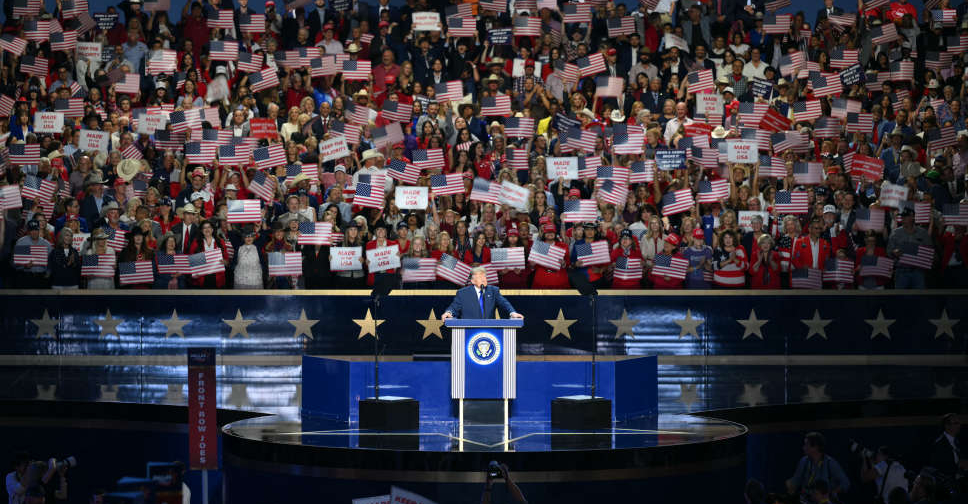 Trump touts $5,000 payout if Republicans win as Vance waits in wings
 Search expands after Philippine ferry fire kills five and leaves dozens missing
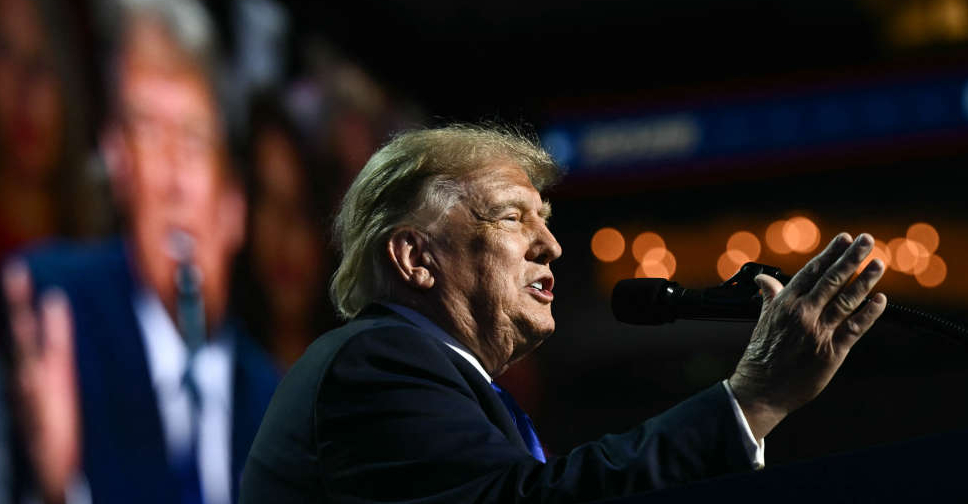 Trump says Iran war to end after US midterm elections
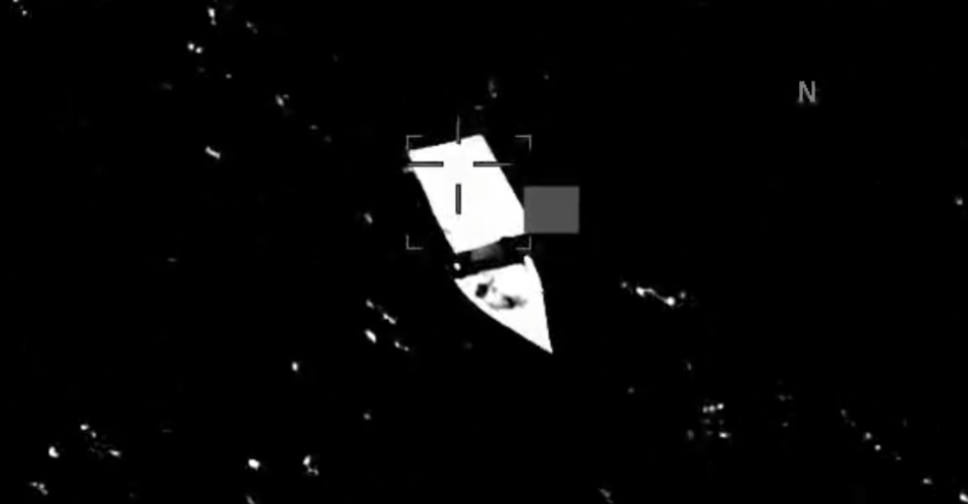 US military says it struck vessel in Caribbean, killing 3
 At least 14 killed in explosion at weapons depot in Syria
 US hits five Iranian oil tankers after attack on Navy ships
 UK gives air traffic provider a week to probe outage that halted flights
 Serbia's President Vucic dissolves parliament, calls snap elections