

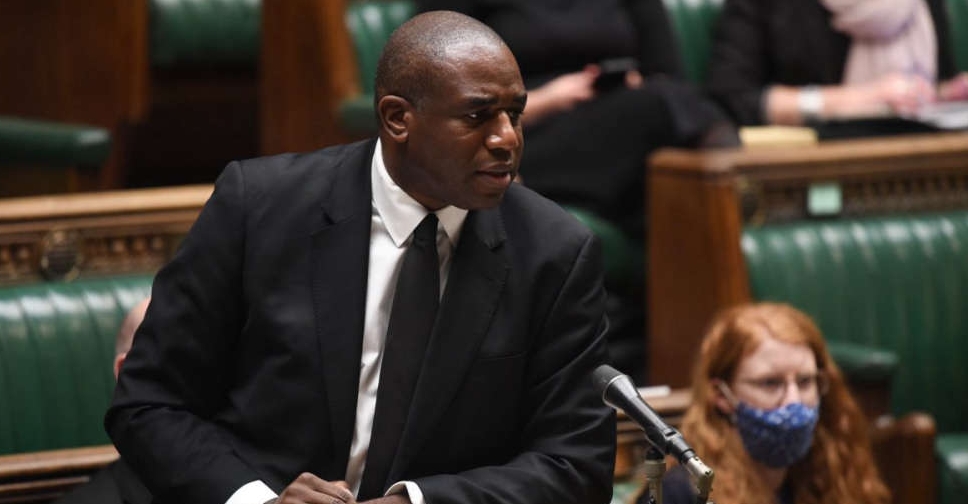
The United Kingdom will suspend 30 of its 350 arms export licences with Israel due to risk such equipment might be used to commit serious violations of international humanitarian law, foreign minister David Lammy said on Monday.
Lammy said the decision to suspend the licences did not amount to a blanket ban or an arms embargo, but only involved those that could be used in the ongoing conflict between Israel and Hamas in the Palestinian enclave of Gaza.
"We recognise Israel's need to defend itself against security threats, but we are deeply worried by the methods that Israel's employed, and by reports of civilian casualties and the destruction of civilian infrastructure particularly," Lammy told parliament.
Soon after the Labour Party won an election in July, Lammy said he would update a review on arms sales to Britain's ally Israel to ensure these complied with international law.
"It is with regret that I inform the House (of Commons, lower house of parliament) today the assessment I have received leaves me unable to conclude anything other than that for certain UK arms exports to Israel, there does exist a clear risk that they might be used to commit or facilitate a serious violation of international humanitarian law," Lammy said.
British exports amount to less than one per cent of the total arms Israel receives. The minister said the suspension would not have a material impact on Israel's security, and Britain continued to support its right to self-defence.
Israeli Foreign Minister Israel Katz said the decision was disappointing and "sends a very problematic message" to Hamas and its patrons in Iran.
Both Israeli and Palestinian leaders are being investigated for alleged war crimes and crimes against humanity in the wake of the October 7 attacks by Hamas in southern Israel, which killed 1,200 people, by Israeli tallies.
The Israeli response in Gaza has killed more than 40,700 people, according to Palestinian health authorities.
Lammy said Monday's decision was not a judgment on whether Israel had breached international law or not.
Israel and Palestinian leaders have dismissed allegations of war crimes.
According to information provided by government officials to Reuters and data from the Department for Business and Trade's Export Control unit, the value of permits granted for the sale of military equipment to its ally fell by more than 95 per cent to a 13-year low after the start of the war in Gaza.
Many of the licences approved in the period after the start of the conflict were for items listed for "commercial use" or non-lethal items such as body armour, military helmets or all-wheel drive vehicles with ballistic protection.
Among the items included under the arms export suspension will be components for military aircraft including fighter jets, helicopters and drones.
But, parts for F-35 fighters will be exempted, except where going directly to Israel, as the government said it was not possible to suspend these without prejudicing the jets' entire global programme.
Unlike the US, Britain's government does not give arms directly to Israel but rather issues licences for companies to sell weapons, with input from lawyers on whether they complied with international law.

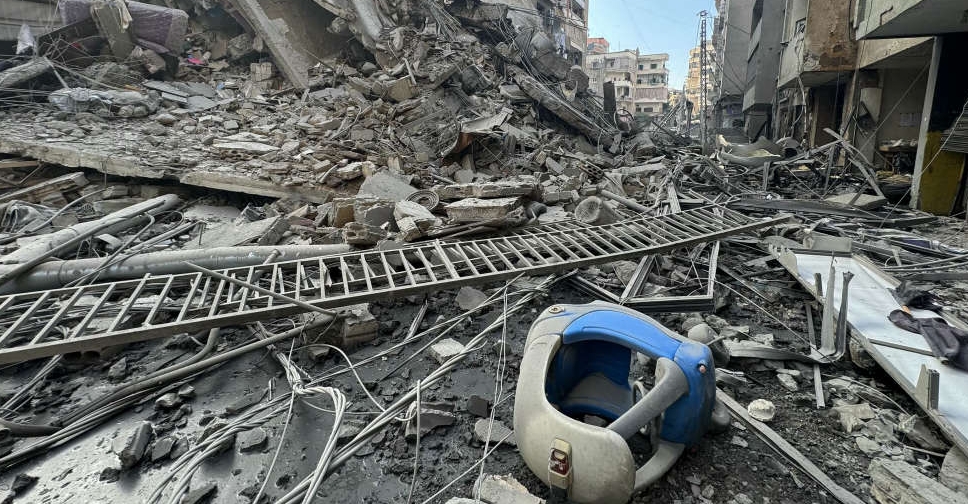 Israel carries out rare airborne raid in Lebanon; 16 killed in strikes
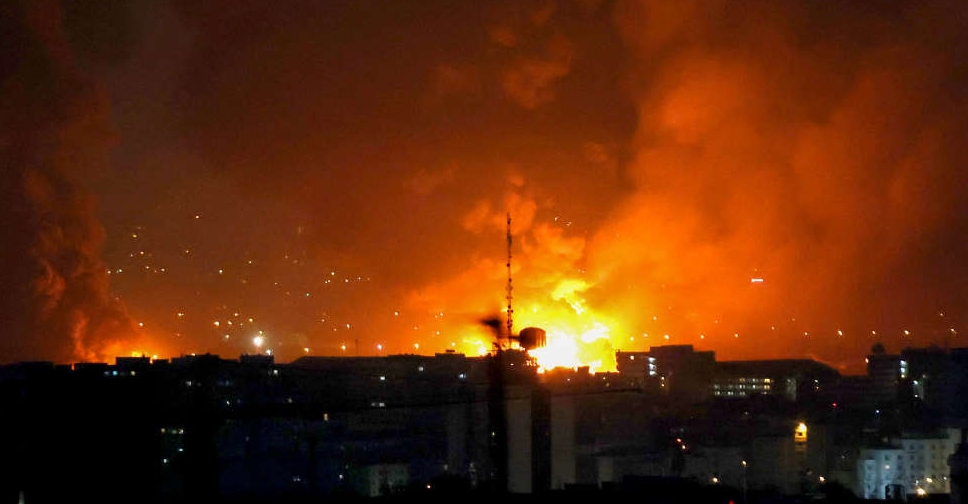 US skips congressional review to approve arms sale to Israel
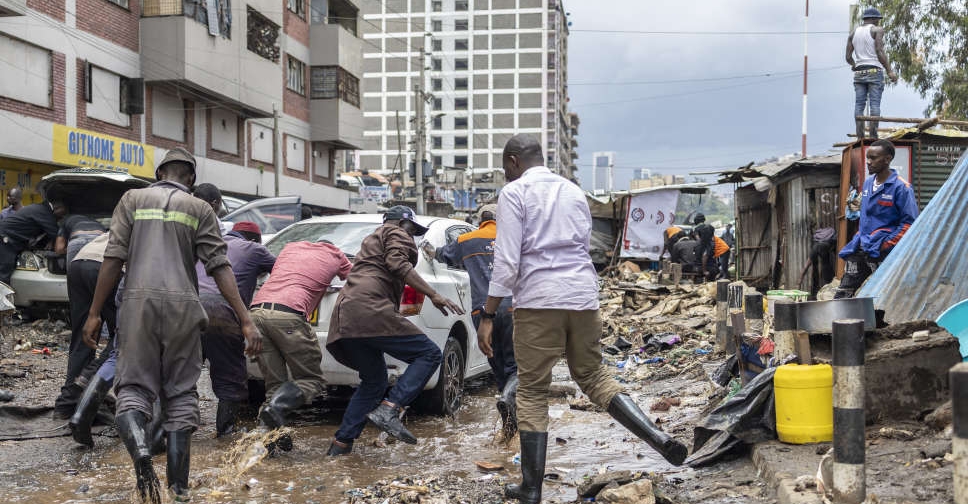 Flash floods in Nairobi kill 23, disrupt flights at major airport
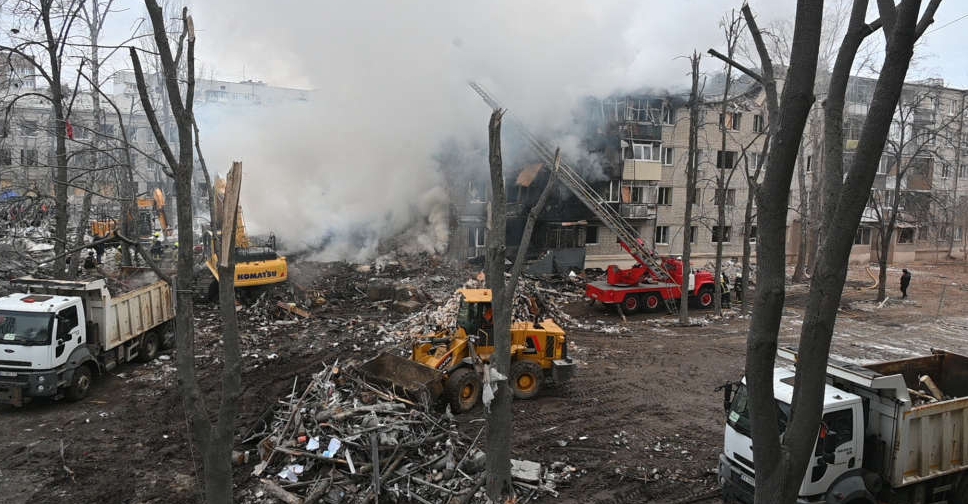 Russia hits Ukraine with drones, missiles, kills at least 10 in Kharkiv
 Partial resumption of air navigation in Qatar
 Kuwait and Qatar thwart fresh wave of Iranian attacks
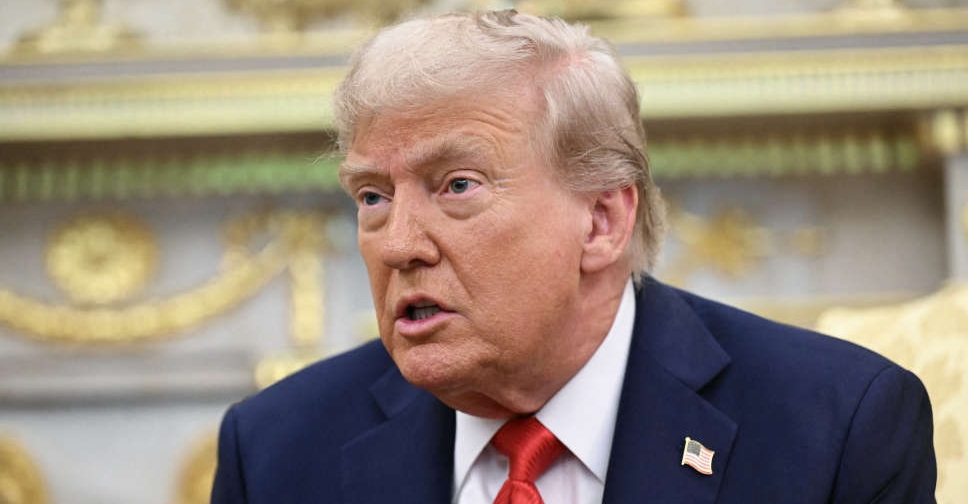 After a week of war, Trump demands Iran's 'unconditional surrender'
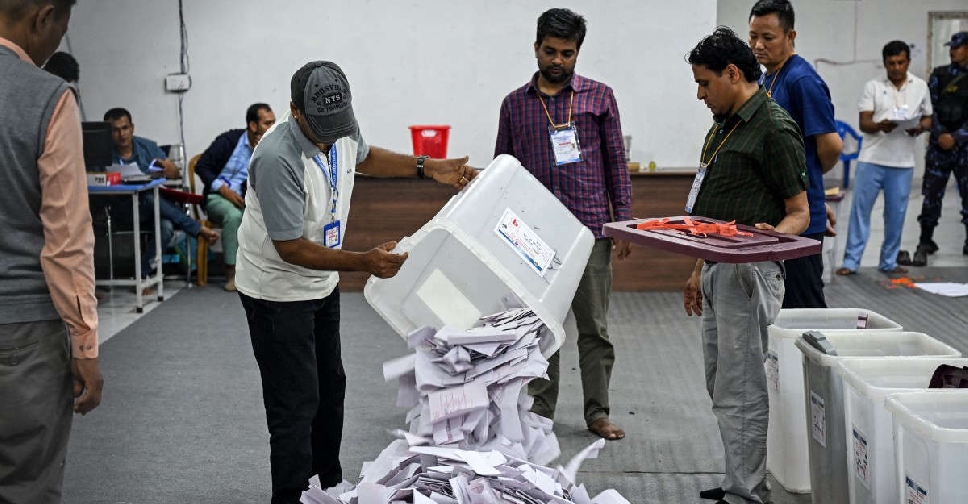 Ex-rapper's party set to sweep Nepal election