

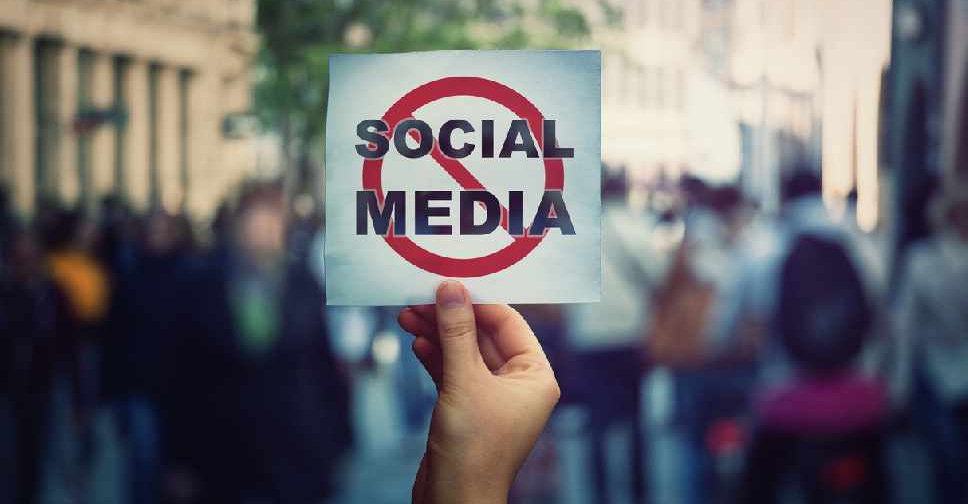
Britain could bring in an Australian-style ban on social media for children under 16 as early as this year and close a loophole that left some AI chatbots outside safety rules, as part of government efforts to respond more quickly to digital risks.
Prime Minister Keir Starmer's government last month launched a consultation on a social media ban for children under 16 and is now working to change legislation so it could bring in any changes within months of the consultation concluding.
Spain, Greece and Slovenia have also said they are working on bans after Australia became the first country in the world to block access to under 16s. Scrutiny has since intensified further after Elon Musk's flagship AI chatbot Grok was found to be generating nonconsensual sexualised images.
GLOBAL PRESSURE GROWS ON SOCIAL MEDIA PLATFORMS
Britain's 2023 Online Safety Act is one of the world's strictest safety regimes, but it does not cover one-to-one interactions with AI chatbots unless they share information with other users, a loophole technology minister Liz Kendall said would soon be closed.
Britain cannot allow regulatory gaps to persist after the act took nearly eight years to pass and come into force, she said.
"I am concerned about these AI chatbots… as is the prime minister, about the impact that's having on children and young people," Kendall told Times Radio, saying some children were forming one-to-one relationships with AI systems that were not designed with child safety in mind.
She said the government would set out its proposals before June.
Speaking to British media on Monday, Kendall said tech firms would be responsible for ensuring their systems complied with British law.
The government would also consult on changes to bring in automatic data-preservation orders when a child dies, allowing investigators to secure key online evidence - a measure long sought by bereaved families. The consultation would also consider powers to curb "stranger pairing" on gaming consoles and to block the sending or receiving of images.
The new measures will be introduced as an amendment to existing crime and child-protection legislation being considered by parliament.
While aimed at shielding children, such measures often have knock-on implications for adults' privacy and ability to access services, and have led to tension with the US over limits on free speech and regulatory reach.
Many parents and safety advocates back a social media ban for children, but Kendall said some child-protection groups worry it could push harmful activity into less regulated spaces or create a sharp "cliff edge" at 16. She added that the government still needed to define legally what counts as social media before any ban can take effect.

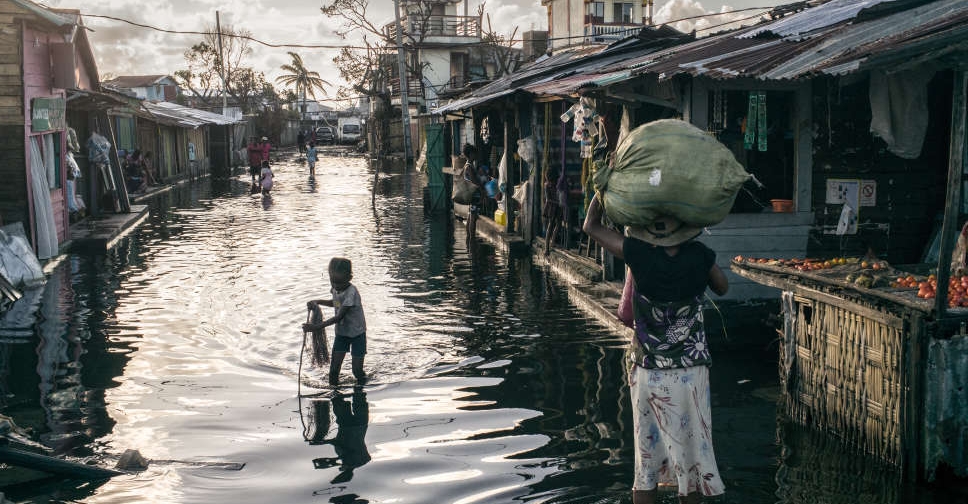 Cyclone Gezani leaves 59 dead in Madagascar, displaces more than 16,000
 Wild storm in New Zealand disrupts flights, thousands without power
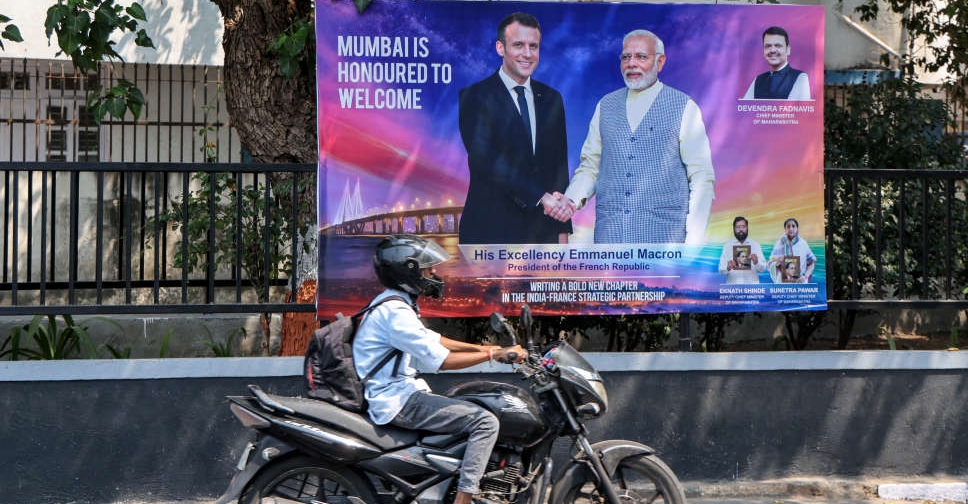 From OpenAI to Google, India hosts global AI summit
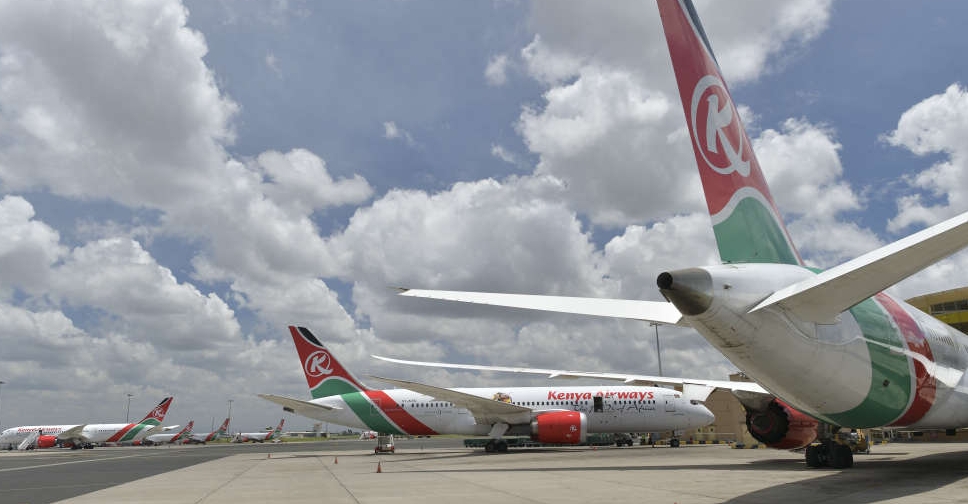 Worker strike disrupts flights at Kenya's main airport
 Israeli airstrikes kill 11 in Gaza, Palestinians say
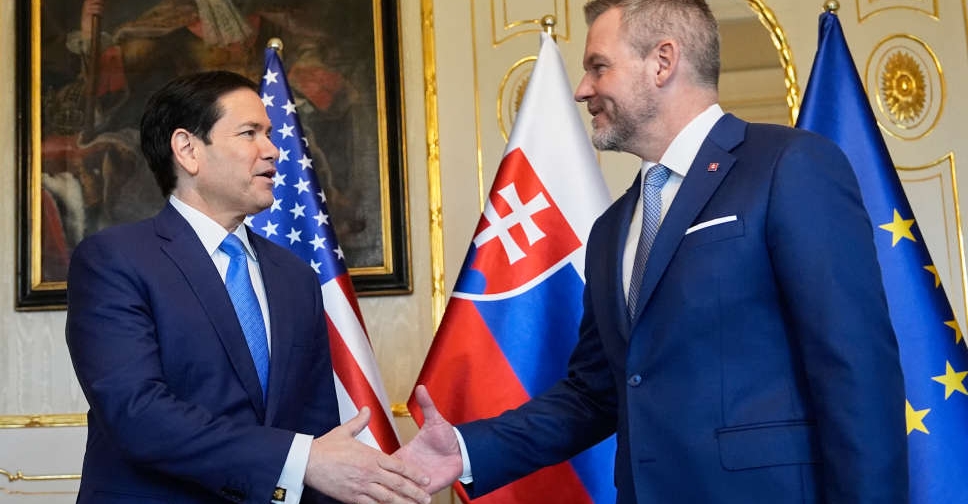 Rubio visits eastern Europe to bolster ties
 New Zealand braces for more flooding after road collapses, one death
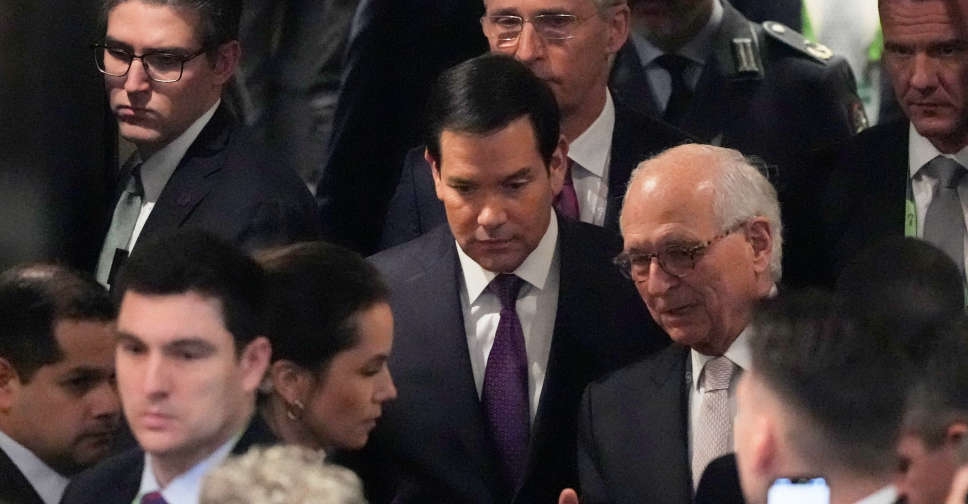 Rubio tells Munich security forum US, Europe belong together




