


A federal appeals court ruled on Tuesday that Donald Trump does not have immunity from charges that he plotted to overturn his 2020 election defeat, bringing the former US president a step closer to an unprecedented criminal trial.
A three-judge panel of the US Court of Appeals for the District of Columbia Circuit rejected Trump’s claim that he cannot be prosecuted because the allegations relate to his official responsibilities as president.
"We cannot accept that the office of the Presidency places its former occupants above the law for all time thereafter," the unanimous panel wrote.
The court concluded that any "executive immunity" that may have shielded Trump from criminal charges while he served as president "no longer protects him against this prosecution".
The ruling, which Trump is almost certain to appeal, rebuffs his attempt to avoid a trial on charges that he undermined American democracy and the transfer of power, even as he consolidates his position as the frontrunner for the Republican presidential nomination.
The case will remain paused until at least February 12 to give Trump time to appeal to the US Supreme Court.
Trump’s lawyers argued that former presidents were entitled to sweeping legal protections and could not be criminally prosecuted for official actions unless first impeached by the House of Representatives and removed from office by the Senate.
Trump was impeached twice by the House, but each time Senate Republicans cast sufficient votes to acquit him of the charges.

 Trump touts $5,000 payout if Republicans win as Vance waits in wings
 Search expands after Philippine ferry fire kills five and leaves dozens missing
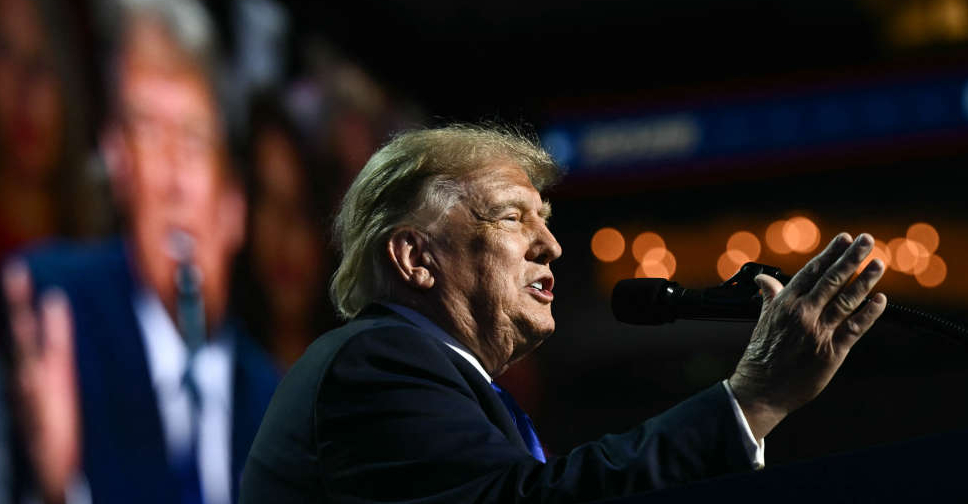 Trump says Iran war to end after US midterm elections
 At least 20 killed in cargo vessel fire at China shipyard, state media reports
 US military says it struck vessel in Caribbean, killing 3
 At least 14 killed in explosion at weapons depot in Syria
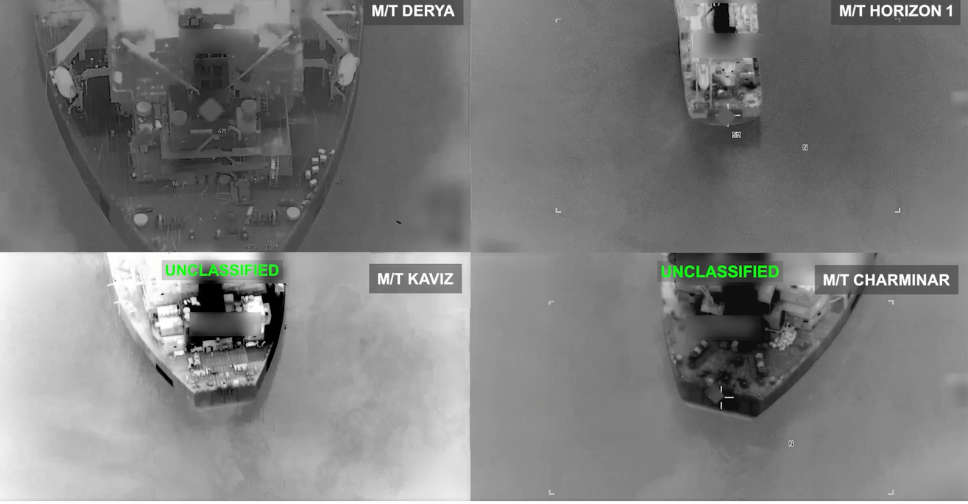 US hits five Iranian oil tankers after attack on Navy ships
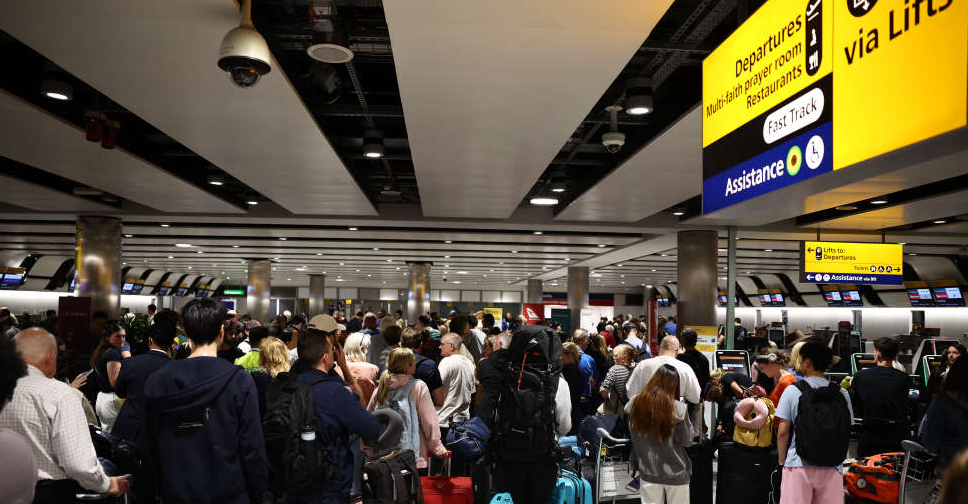 UK gives air traffic provider a week to probe outage that halted flights