


Thousands of people have taken to the streets of Belgrade, Serbia’s capital, on Saturday and Sunday, against the reinstatement of a controversial lithium mine project
Activists have opposed the extraction of Lithium, which is an essential material for electric car batteries, saying the mine would cause irreversible environmental damage to the Jadar Valley. Around 24,000 to 27,000 demonstrators participated, according to Serbia’s Ministry of Interior.
A license previously granted to Rio Tinto in 2022 was revoked after largescale, weeks-long protests broke out. Last month, a court decision reversed the halted project plans, saying it was not in line with the constitution and the law. Days later, the Serbian government signed a Memorandum of Understanding (MoU) with the European Union (EU), considered the first step in the initiation of the mine project.
The EU hailed it as a “historic day for Serbia, as well as for Europe”.
Two leading protest figures said they were briefly detained by security officials who warned that any moves to block roads during the demonstration would be seen as illegal. Minister of Interior Ivica Dacic warned organisers against breaking the law, adding charges would be filed against all perpetrators.
Serbia has large lithium deposits near the western city of Loznica. Europe’s move toward zero-emission vehicles means more lithium would be needed. Rio Tinto’s USD 2.4 billion project could reportedly supply nine-tenth of Europe’s current lithium needs.

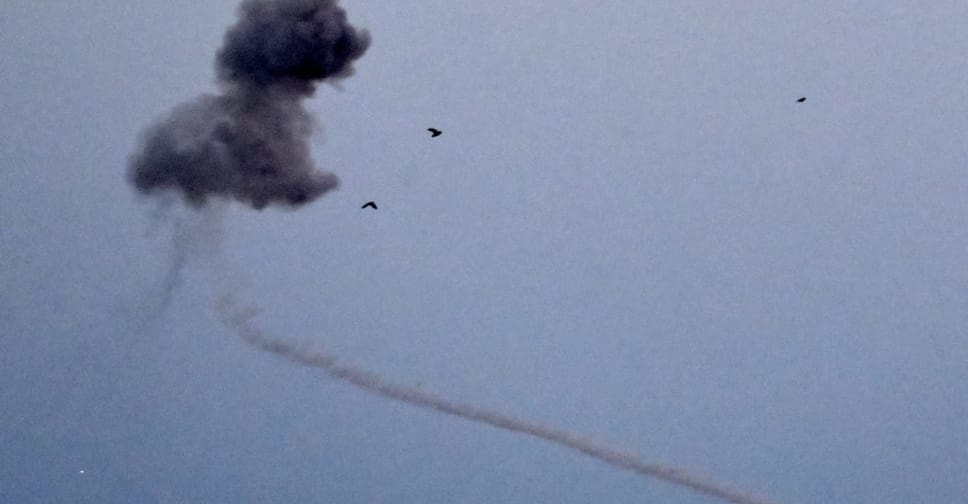 Russian attack on Ukraine's Dymer in Kyiv region kills 11, official says
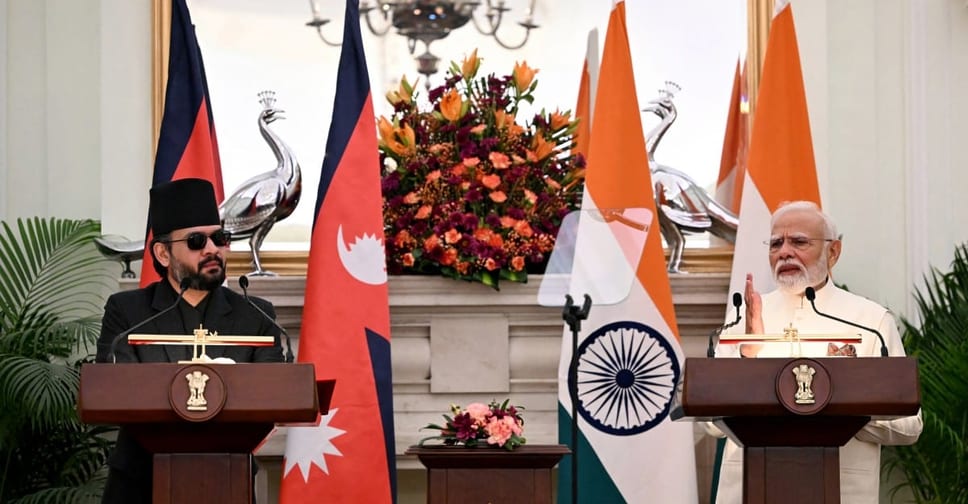 India announces $1.62 billion package for flood-hit Nepal
 Schools across Germany, Denmark receive bomb threats
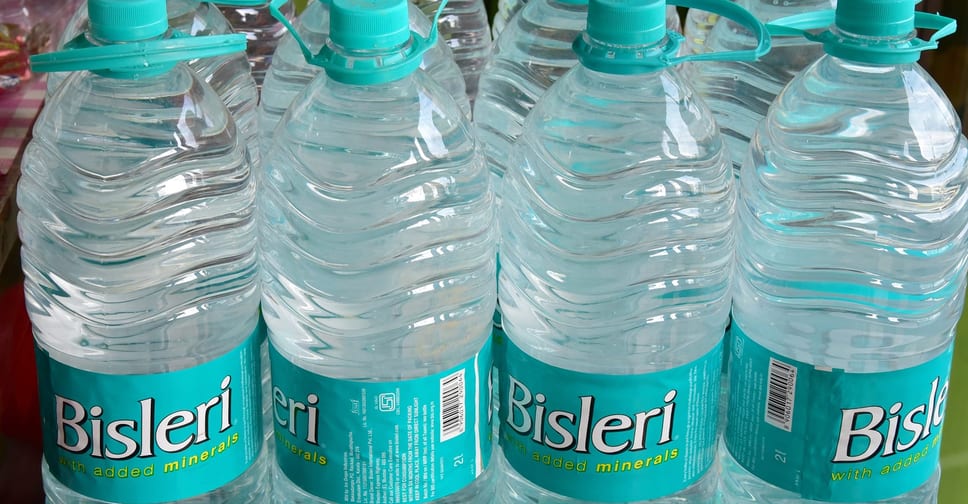 India finds sample of popular Bisleri water unsafe, to widen checks to all brands
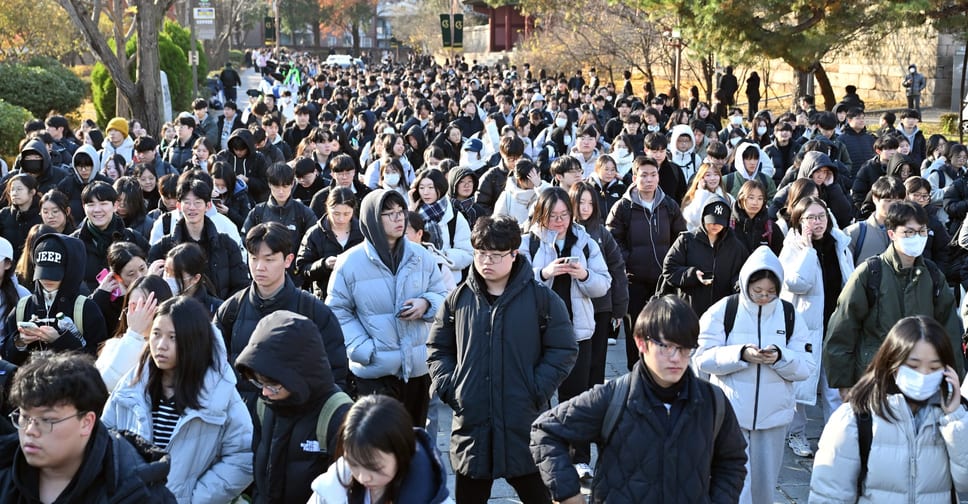 South Korea's education minister quits over exam cheating chaos
 COP31 climate talks break down as EU, others reject deal
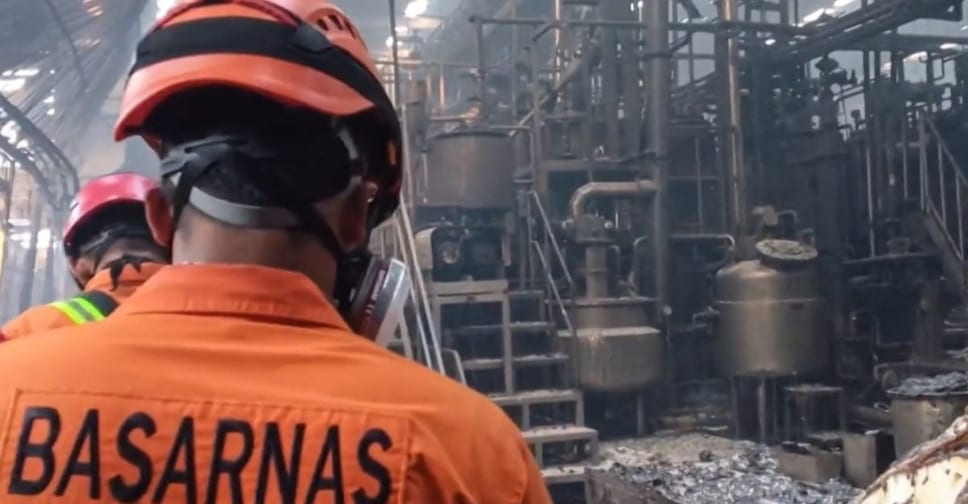 Indonesia factory fire search to resume Monday as 24 body bags recovered
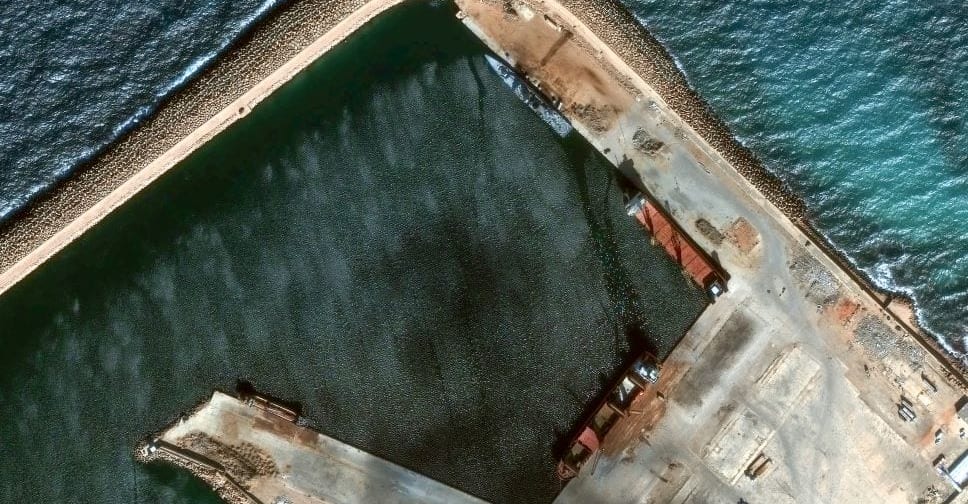 Libya suspects drone attack caused Benghazi ship explosion