

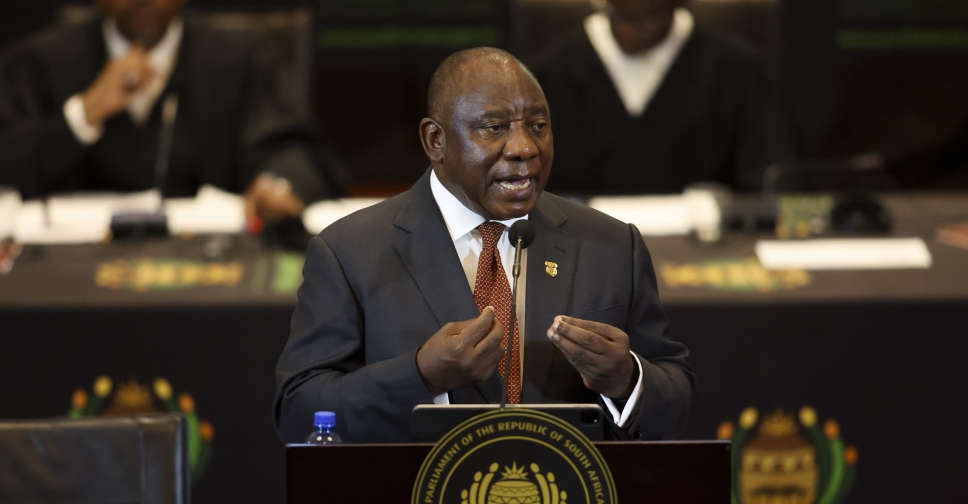
South African President Cyril Ramaphosa declared a national "state of disaster" over his country's crippling power shortages, saying they posed an existential threat to the economy and social fabric.
The electricity crunch has been years in the making, a product of delays in building new coal-fired power stations, corruption in coal-supply contracts, criminal sabotage and failures to ease up regulation to enable private providers to swiftly bring renewable energy on tap.
"We are in the grip of a profound energy crisis," Ramaphosa said in his annual State of the Nation Address to parliament.
"The crisis has progressively evolved to affect every part of society. We must act to lessen the impact of the crisis on farmers, on small businesses, on our water infrastructure and our transport network."
State electricity utility Eskom is implementing the worst rolling blackouts on record, leaving households in the dark, disrupting manufacturing and hurting businesses of all sizes.
The power cuts are expected to reduce economic growth in Africa's most industrialised nation to just 0.3% this year.
Declaring a national state of disaster gives the government additional powers to respond to a crisis, including by permitting emergency procurement procedures with fewer bureaucratic delays and less oversight.
The legislation was used to enable health authorities to respond more swiftly to the COVID-19 pandemic, but some analysts doubt it will help the government expand power supply much quicker.
Eskom said it would study the details of the declaration before commenting.
Brighton Hlupego, a street trader outside Cape Town City Hall where Ramaphosa delivered his speech, said the biggest problems facing South Africans were poverty, unemployment and electricity.
"To some extent he gave some solutions to the problems, but these won't be solved easily," said Hlupego, who bought mobile data to listen to the speech with friends. "The state of disaster is a good thing but we don't want to see them (politicians) put the money in their pockets."
The biggest opposition party, the Democratic Alliance, said it would challenge the "state of disaster" declaration in court, alleging Ramaphosa's party issued nonsensical regulations and abused procurement processes during the pandemic.
Ramaphosa also said on Thursday that the government was working on a mechanism for targeted basic income support for the most vulnerable, within fiscal constraints.


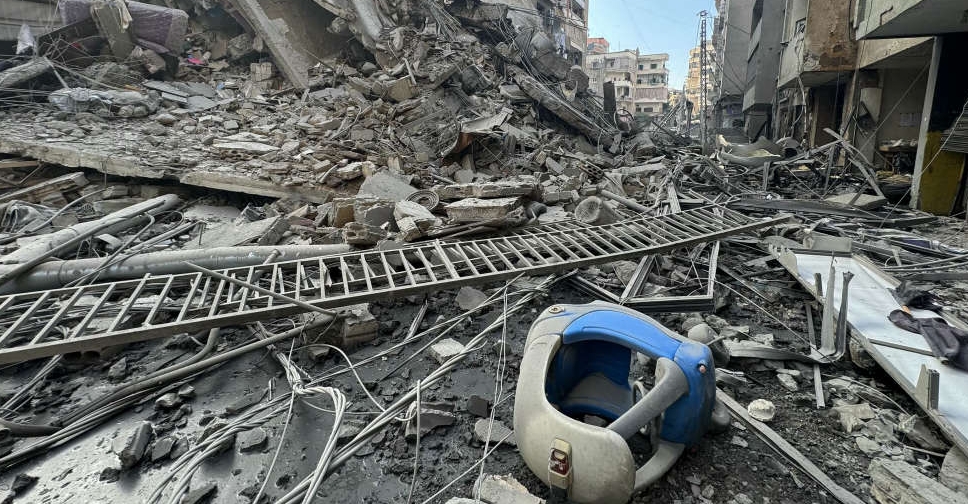 Four killed in Beirut hotel strike, Israel says it targeted Iranian commanders
 Drone attacks cause major fire at Kuwait International Airport
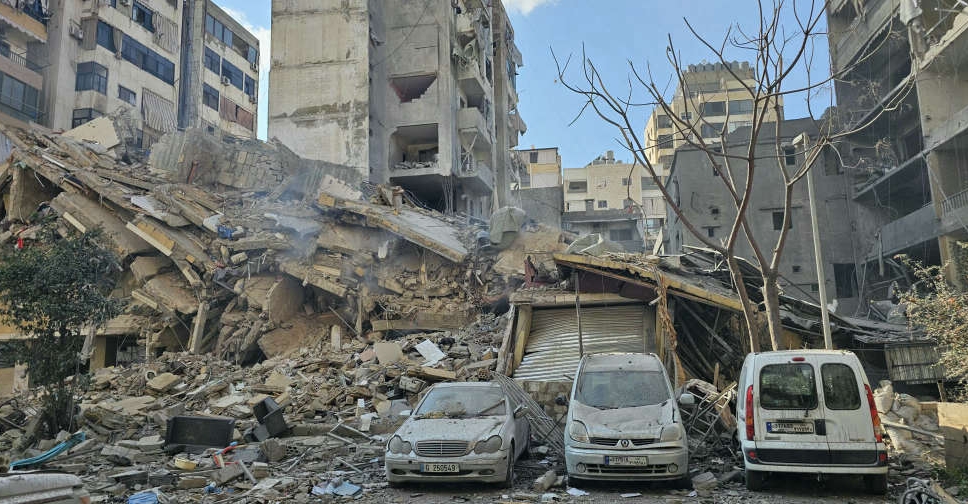 Israel warns Lebanon of 'heavy price' as week's death toll nears 300
 Trump rejects settling war with Iran
 Qatar intercepts 6 ballistic missiles, 2 cruise missiles
 Trump tells Britain he does not need its help to win Iran war
 Israeli settler fatally shoots Palestinian in West Bank