

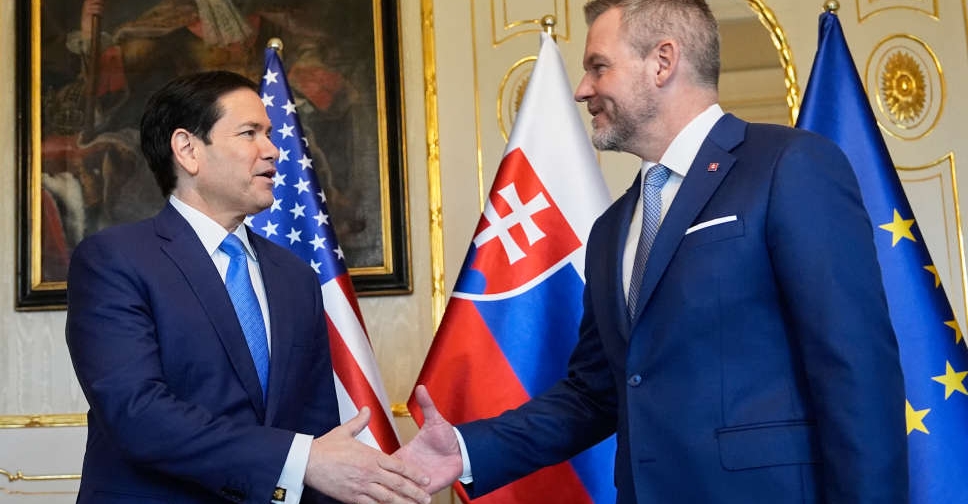
US Secretary of State Marco Rubio began a two-day trip to eastern Europe on Sunday to bolster ties with Slovakia and Hungary, whose conservative leaders, often at odds with other European Union countries, have warm ties with President Donald Trump.
Rubio will use the trip to discuss energy cooperation and bilateral issues, including NATO commitments, the State Department said in an announcement last week.
"These are countries that are very strong with us, very cooperative with the United States, work very closely with us," Rubio told reporters before departing for Europe on Thursday.
Rubio, who in his dual role also serves as Trump’s national security adviser, met Slovak President Peter Pellegrini on Sunday on his arrival in Bratislava, the first visit by a US secretary of state in seven years, and discussed energy and defence.
"An important topic of the talks was... defence cooperation and the fulfilment of commitments arising from NATO summits," Pellegrini's office said in a statement.
Rubio later met Slovak Prime Minister Robert Fico, who visited Trump in Florida last month. The US diplomat's trip follows his attendance at the Munich Security Conference over the last few days.
MEETING WITH ORBAN ON MONDAY
On Monday, Rubio is expected to meet Hungarian leader Viktor Orban, who is trailing in most polls ahead of an election in April when he could be voted out of power.
"President (Trump) said he's very supportive of him, and so are we," Rubio said ahead of his trip. "But obviously we were going to do that visit as a bilateral visit."
Orban, one of Trump's closest allies in Europe, is considered by many on the American hard-right as a model for the US president's tough policies on immigration. Budapest has repeatedly hosted Conservative Political Action Conference events, which bring together conservative activists and leaders, with another due in March.
TIES WITH MOSCOW, CLASHES WITH EU
Both Fico and Orban have clashed with EU institutions over probes into backsliding on democratic rules.
They have also maintained ties with Moscow, criticised and at times delayed the imposition of EU sanctions on Russia and opposed sending military aid to Ukraine.
Even as other European Union countries have secured alternative energy supplies after Moscow invaded Ukraine in 2022, including by buying US natural gas, Slovakia and Hungary have continued to buy Russian gas and oil, a practice the U.S. has criticised.
Rubio said this would be discussed during his brief tour, but did not give any details.
Fico, who has described the European Union as an institution that is in "deep crisis", has showered Trump with praise saying he would bring peace back to Europe.
But Fico criticised the US capture of Venezuelan President Nicolas Maduro in early January.
Hungary and Slovakia have also so far diverged from Trump's request for all NATO members to significantly increase their military spending to 5 per cent of GDP, and have raised defence spending to NATO's minimum threshold of 2 per cent, a lower level than some other NATO members.
On nuclear cooperation, Slovakia signed an agreement with the United States last month and Fico has said US-based Westinghouse was likely to build a new nuclear power plant.

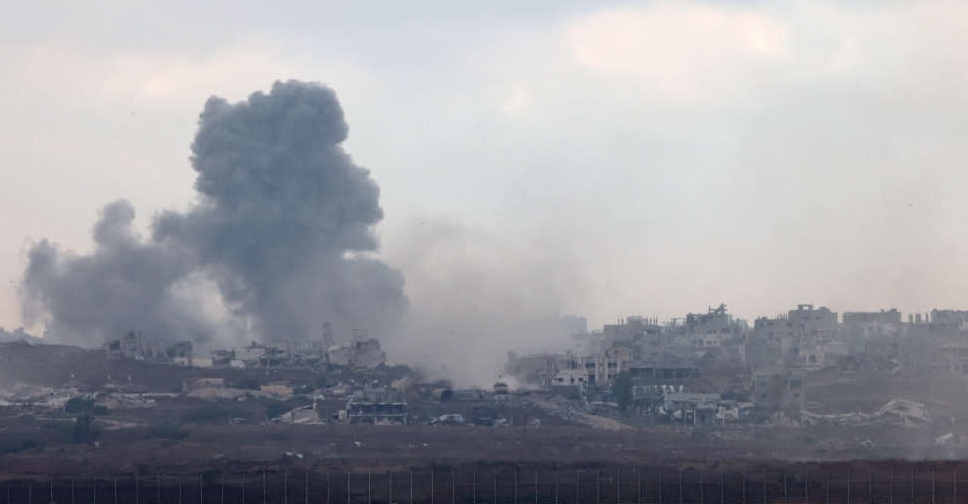 Israeli airstrikes kill 11 in Gaza, Palestinians say
 New Zealand braces for more flooding after road collapses, one death
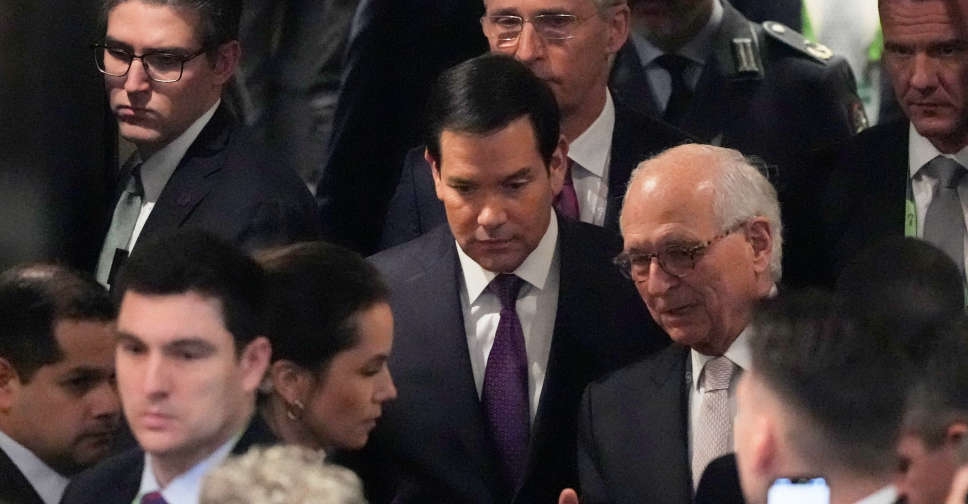 Rubio tells Munich security forum US, Europe belong together
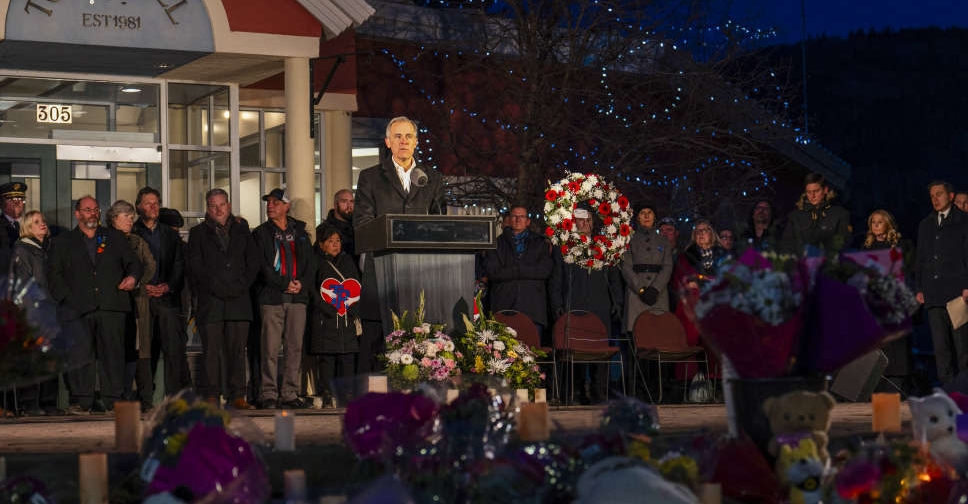 Canadians 'will always be with you' says PM at Tumbler Ridge vigil
 UN Chief urges unity as Ramadan approaches
 BNP sweeps Bangladesh election, Tarique Rahman set to become PM
 France detains nine in probe over alleged $11.8 mln Louvre ticket fraud
 SpaceX launches 12th long-duration crew to International Space Station