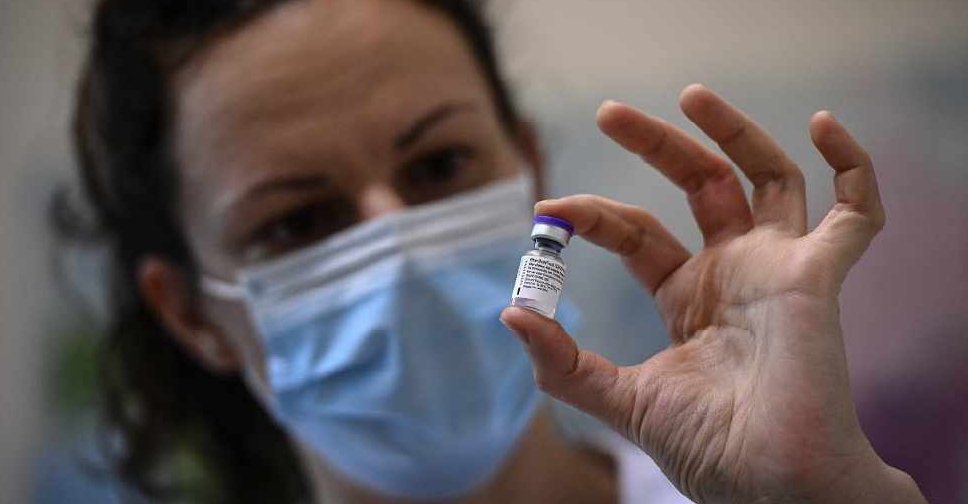
The COVID-19 vaccine developed by Pfizer and BioNTech was able to neutralise a new variant of the coronavirus spreading rapidly in Brazil.
That's according to a laboratory study published in the New England Journal of Medicine, which showed that patients who received a second dose of the COVID-19 vaccine showed stronger antibody protection.
The study, conducted by scientists from the companies and the University of Texas Medical Branch, looked at blood samples from 15 volunteers in Pfizer’s phase 3 clinical trial of its vaccine.
Their samples were then exposed to an engineered version of the virus that contained the same mutations carried on the spike portion of the highly contagious P.1 variant.
Further examination found that the antibodies were successful at neutralising the viral mutations.
In previously published studies, Pfizer had found that its vaccine neutralised other more contagious variants first identified in the United Kingdom and South Africa, although the South African variant may reduce protective antibodies elicited by the vaccine.
Pfizer has said it believes its current vaccine is highly likely to still protect against the South African variant. However, the drugmaker is planning to test a third booster dose of their vaccine as well as a version retooled specifically to combat the variant in order to better understand the immune response.
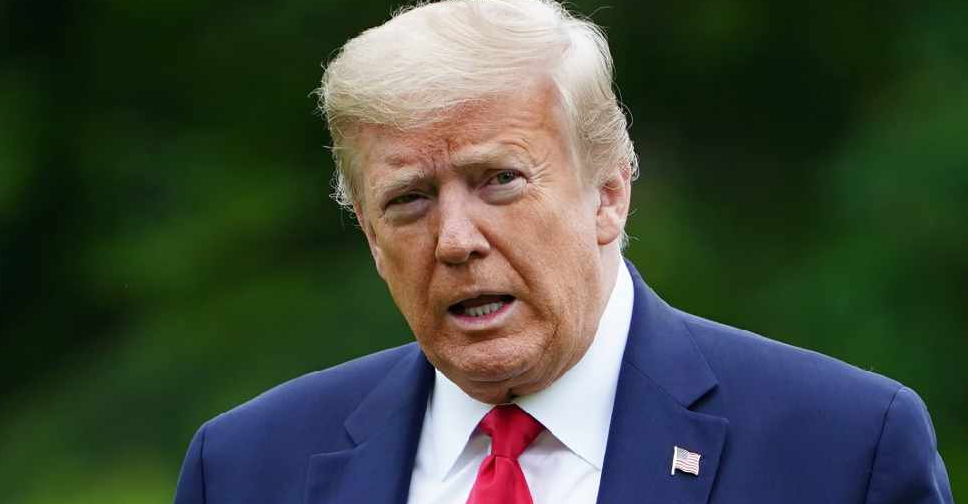
Hopes grew on Friday for peace between Iran and the US after President Donald Trump said a deal could be signed as soon as this weekend, even as Tehran said it had not made a final decision on a pact.
Ukraine and Russia exchanged overnight drone strikes into early Friday, with Ukraine targeting a major oil processing and petrochemical region while Russia attacked railway stations and electrical substations.
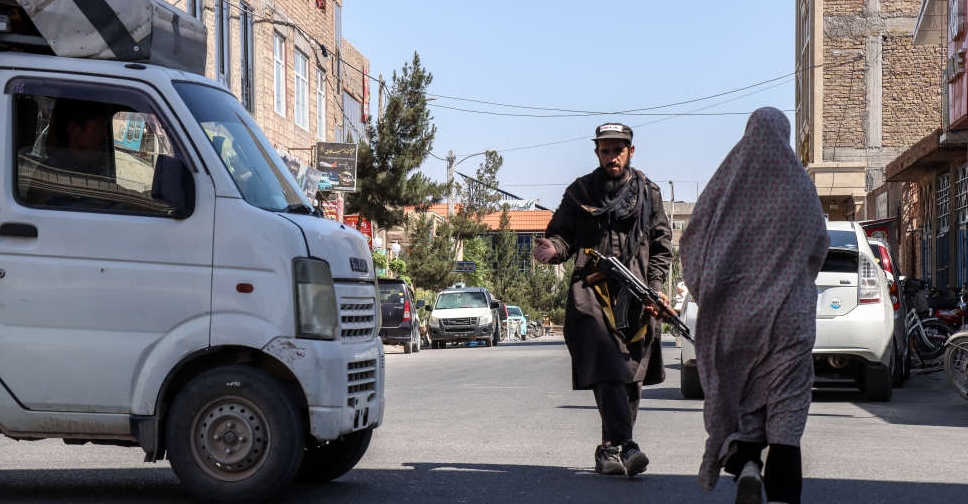
Authorities in Afghanistan's western city of Herat arrested at least 30 women, accusing them of violating dress rules imposed by the Taliban government, the UN agency for women's rights said, but added that some were later released.
US President Donald Trump called off plans for renewed military strikes on Iran at the last minute on Thursday, saying negotiations with Tehran had advanced to the highest levels of Iran's leadership and had been approved by a broad coalition of regional powers.
A South Korean court has sentenced former President Yoon Suk Yeol to 30 years in prison on Friday for charges linked to his ordering an incursion of military drones over North Koreato help create a pretext for his failed December 2024 martial law declaration.
Thailand's Princess Bajrakitiyabha Narendira Debyavati, the eldest child of Thai King Maha Vajiralongkorn, has died at 47, the royal palace said on Friday, after multiple health problems and nearly four years in a coma.
A US jet fired two missiles into the engine room of the tanker Jalveer off Oman on Thursday, US Central Command confirmed, as authorities said the 20 crew members were safe after the third strike on Indian-crewed tankers this week.
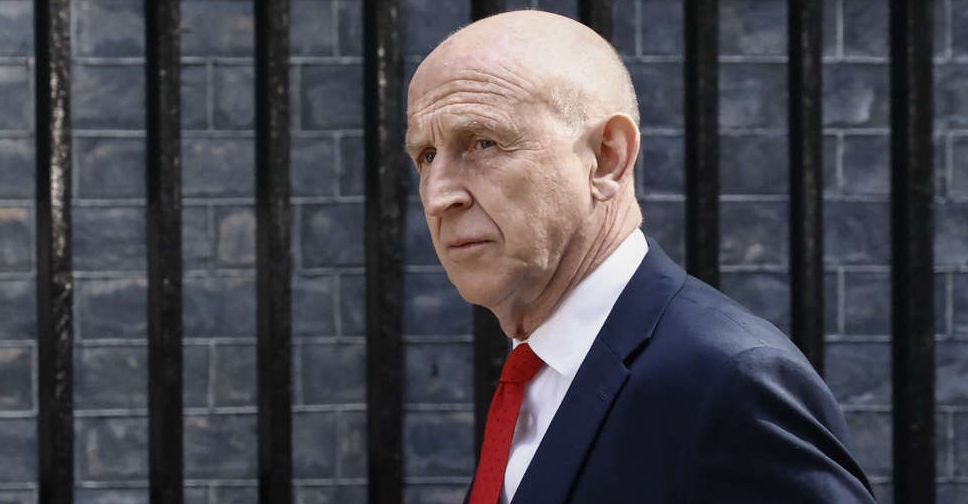
British defence minister John Healey quit on Thursday in a dispute over military spending, accusing Prime Minister Keir Starmer of failing to commit the government resources that are needed to defend the country at a time of heightened threat.
Welcome to Pinoy Bulletin, your go-to source for staying informed about important announcements, exciting group activities, community events, and job opportunities!




 Trump says Iran war deal close as Strait of Hormuz tensions linger
 Ukraine and Russia trade overnight drone strikes, officials say
 UN says Taliban arrest 30 women for violating hijab rules in Afghanistan
 Trump cancels US strikes on Iran, citing progress in talks
 South Korea court sentences ex-President Yoon to 30-year jail term in drone case
 Thai king's eldest daughter dies, aged 47, after long illness
 US confirms third strike on Indian-crewed tankers this week
 UK defence minister Healey quits, says PM Starmer's plans fail to keep country safe