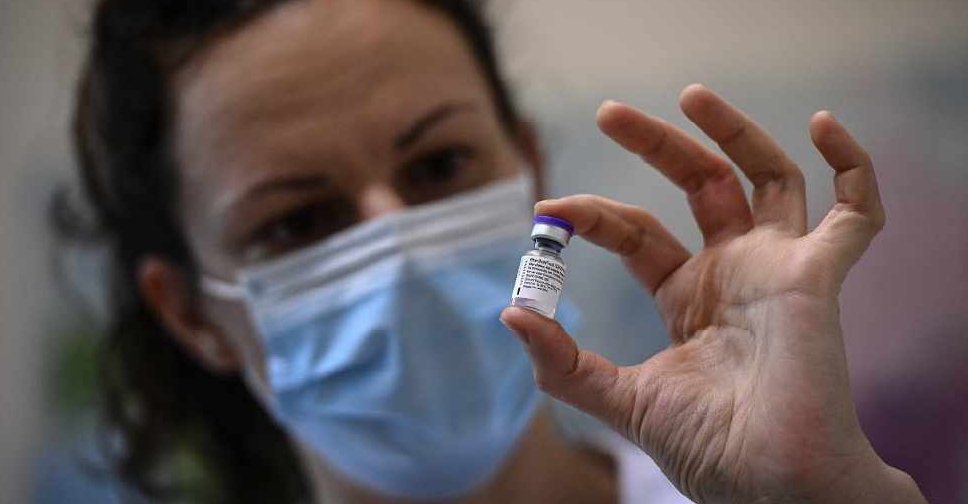
The COVID-19 vaccine developed by Pfizer and BioNTech was able to neutralise a new variant of the coronavirus spreading rapidly in Brazil.
That's according to a laboratory study published in the New England Journal of Medicine, which showed that patients who received a second dose of the COVID-19 vaccine showed stronger antibody protection.
The study, conducted by scientists from the companies and the University of Texas Medical Branch, looked at blood samples from 15 volunteers in Pfizer’s phase 3 clinical trial of its vaccine.
Their samples were then exposed to an engineered version of the virus that contained the same mutations carried on the spike portion of the highly contagious P.1 variant.
Further examination found that the antibodies were successful at neutralising the viral mutations.
In previously published studies, Pfizer had found that its vaccine neutralised other more contagious variants first identified in the United Kingdom and South Africa, although the South African variant may reduce protective antibodies elicited by the vaccine.
Pfizer has said it believes its current vaccine is highly likely to still protect against the South African variant. However, the drugmaker is planning to test a third booster dose of their vaccine as well as a version retooled specifically to combat the variant in order to better understand the immune response.
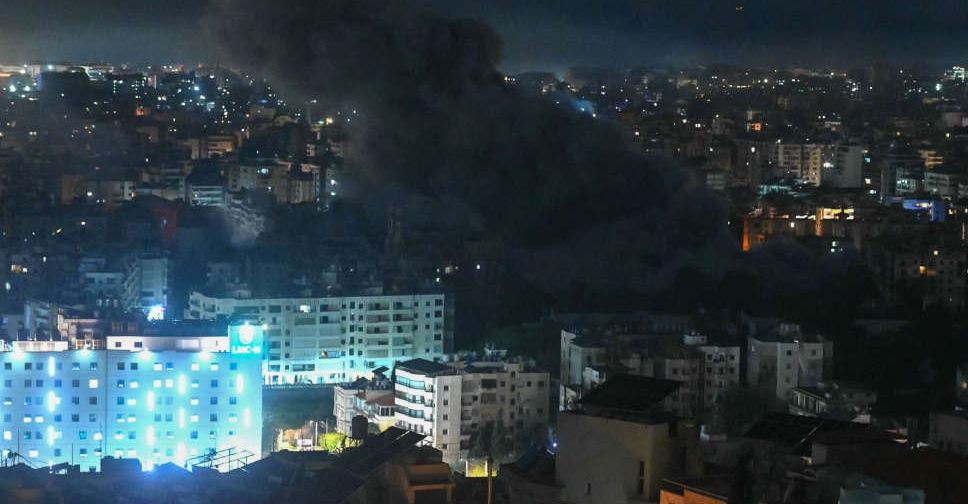
Lebanon's Hezbollah warned Israeli residents to evacuate towns within 5 km of the border between the countries in a message posted on its Telegram channel in Hebrew early on Friday.
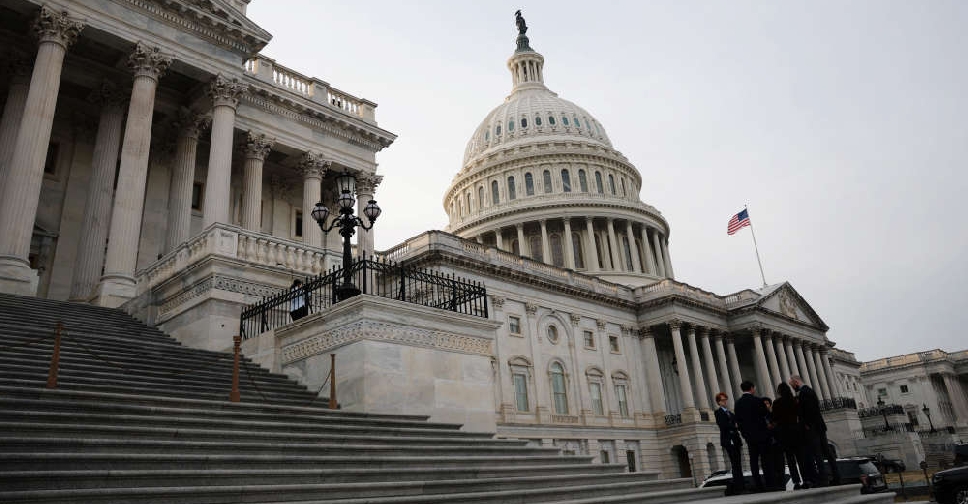
The US House of Representatives rejected an effort on Thursday to stop President Donald Trump's air war on Iran and require that any hostilities against Iran be authorized by Congress, backing the Republican president's military campaign.
Multiple Gulf countries, including Saudi Arabia, Qatar, and Kuwait, have announced their successful interception of several drones targeting their territories and airbases.
Foreign ministers from the Gulf Cooperation Council (GCC) and the European Union have strongly condemned the Iranian attacks targeting GCC states, calling them a direct threat to regional and global security.
The southern Indian state of Karnataka, home to the tech hub of Bengaluru, has banned the use of social media by those under the age of 16, state Chief Minister Siddaramaiah said on Friday, becoming the first in India to do so.
Indonesia's President Prabowo Subianto has stated that he will withdraw from US President Donald Trump's 'Board of Peace' if the platform does not benefit Palestinians, a government statement said on Friday.
US President Donald Trump claimed the right to join Iran in deciding its next leader as the war escalated, with US and Israeli jets hitting areas across the country and Gulf cities coming under renewed attack.
The United States and interim authorities in Venezuela have agreed to re-establish diplomatic and consular relations, the U.S. State Department said on Thursday, aiming to foster a peaceful transition to elect a new government in the South American country.
Welcome to Pinoy Bulletin, your go-to source for staying informed about important announcements, exciting group activities, community events, and job opportunities!
Welcome to Pinoy Bulletin, your go-to source for staying informed about important announcements, exciting group activities, community events, and job opportunities!




 Hezbollah warns Israeli residents to evacuate towns near border
 US House rejects war powers resolution, backs Trump on Iran war
 Saudi Arabia, Qatar, Kuwait intercept drones targeting territory
 GCC and EU ministers urge immediate halt to Iranian attacks
 India's tech state Karnataka bans social media for children under 16
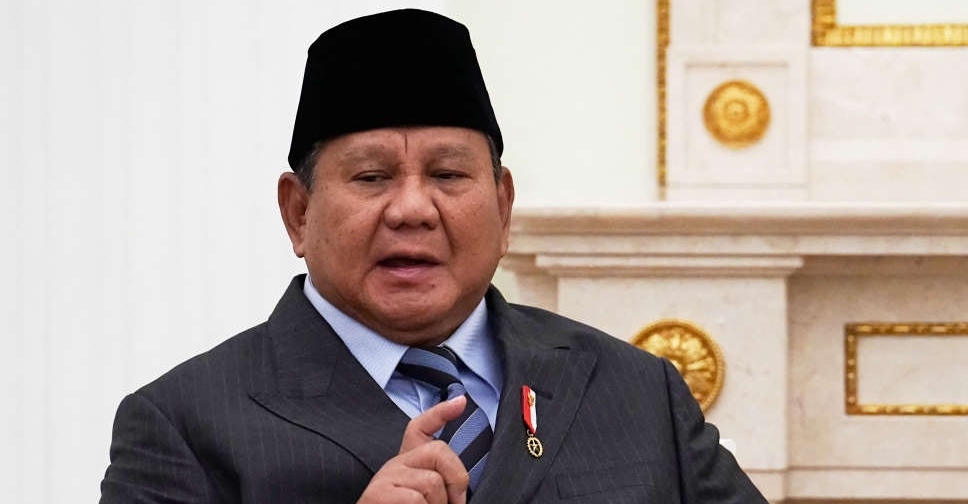 Indonesia says it will withdraw from Board of Peace if it does not benefit Palestinians
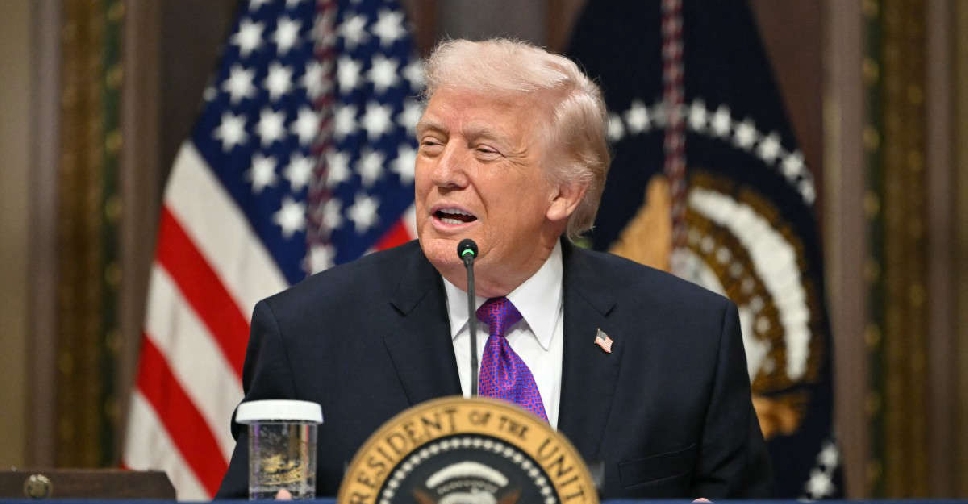 Trump wants say on Iran's next leader
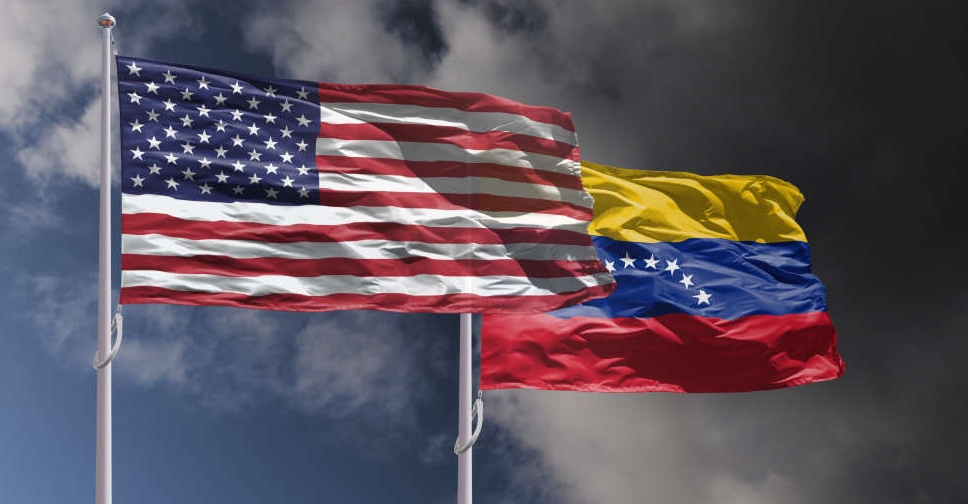 US, Venezuela agree to re-establish diplomatic ties