

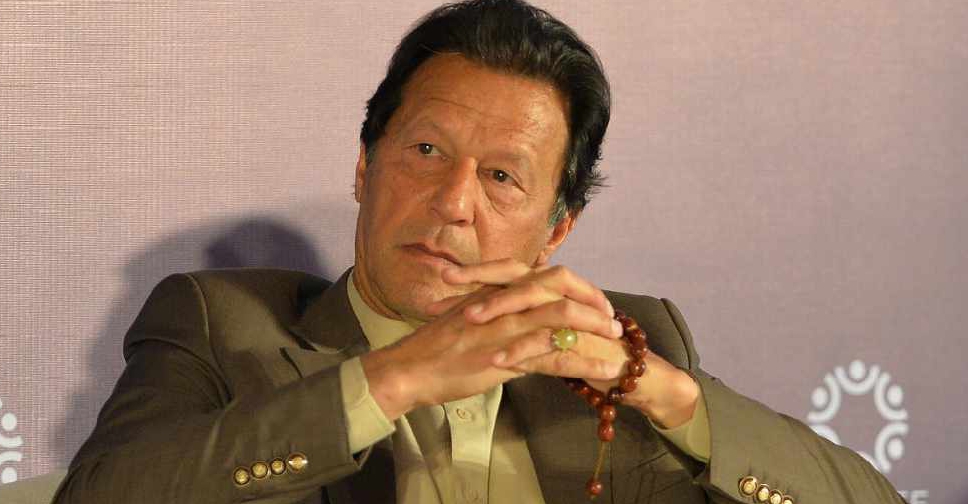
Pakistan’s top court ruled to hand control of the country's most populous province, Punjab, to a candidate backed by ousted Prime Minister Imran Khan, triggering fresh political uncertainty in the South Asian nation.
The move ramps up pressure on the federal government, made up of a coalition of parties that ousted Khan from the premiership in April, as it attempts to implement tough, and unpopular, economic reforms to stave off a financial crisis.
In a short order, Pakistan's Supreme Court ruled that a Khan-backed candidate for Punjab's chief minister, Chaudhry Parvez Elahi, had been wrongfully denied victory in a vote last week, and ordered he be installed as the province's premier before midnight on Tuesday.
Elahi had been denied victory by the speaker of the Punjab assembly, who disregarded votes caste in his favour on the basis of them being against party line and handed victory to the candidate of the ruling coalition.
The court overturned the speaker's decision.
The development gives Khan's campaign for fresh elections a shot in the arm. The ousted premier has been holding protests across the country for snap general elections, which are not due until late next year.
The tug of war between Khan and his opponents has already weighed heavily on the economy of the nuclear-powered nation of 220 million, which is in the middle of a tough IMF programme.
JP Morgan, in a note earlier on Tuesday warned that renewed calls for early elections maintained pressure on the ruling coalition and add to political uncertainty.
"The results have important implications for the government’s willingness to implement electorally challenging policies that are likely required to resume and maintain the IMF program," said the JP Morgan note released hours before the court verdict.
Pakistan is struggling with falling foreign exchange reserves, a widening current account deficit and a sharply depreciating currency.
Adding to the uncertainty, the decision may lead to a standoff between the government and judiciary.
"The decision has not been accepted by the people, we will decide our future line of action after consulting coalition partners," Marriyum Aurangzeb, federal minister for information told reporters on Tuesday night.


 Israel carries out rare airborne raid in Lebanon; 16 killed in strikes
 US skips congressional review to approve arms sale to Israel
 Flash floods in Nairobi kill 23, disrupt flights at major airport
 Russia hits Ukraine with drones, missiles, kills at least 10 in Kharkiv
 Partial resumption of air navigation in Qatar
 Kuwait and Qatar thwart fresh wave of Iranian attacks
 After a week of war, Trump demands Iran's 'unconditional surrender'
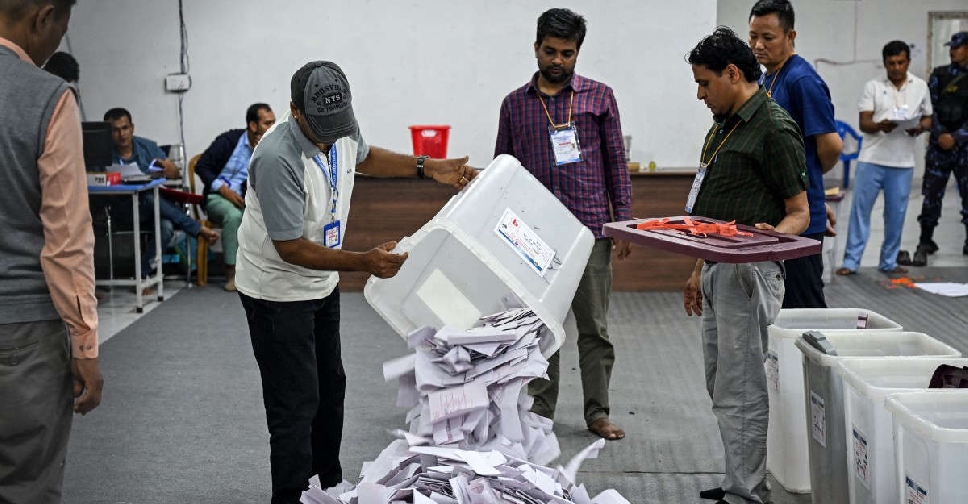 Ex-rapper's party set to sweep Nepal election