

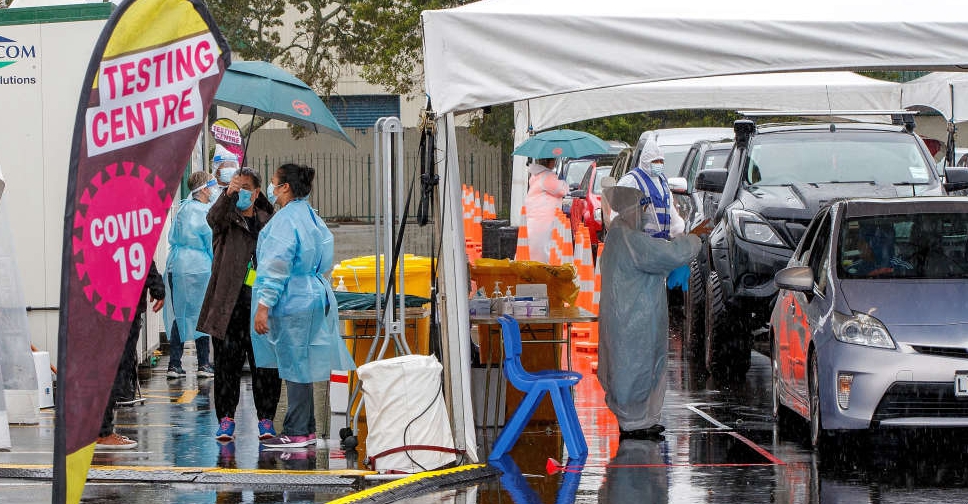
New Zealand's biggest city of Auckland will retain its lockdown for two more weeks in the battle on the Delta variant of coronavirus, as the country pushes to step up vaccinations, Prime Minster Jacinda Ardern said on Monday.
Once the poster child for stamping out COVID-19, New Zealand is now fighting a Delta outbreak that has spread across Auckland and neighbouring regions despite tough lockdown and border closures.
Ardern said there would be no changes to social curbs, the toughest in the OECD grouping of 34 leading economies, that have run for 62 days in Auckland.
"Any interim easing of restrictions ... will not work towards our plan of minimising cases while we increase vaccinations," Ardern told a news conference.
"But the biggest thing that will make a difference right now, alongside vaccines, is that everyone continues to comply with restrictions."
The lockdown in the city of 1.7 million began in mid-August, in an effort to halt the outbreak.
Some curbs were eased to let people leave home and meet loved ones outdoors in groups limited to 10, as well as permitting visits to beaches and parks.
But schools, businesses and offices remain shut, and gatherings indoors are not allowed.
New Zealand's tally of infections in the current outbreak rose to 2,005 with Monday's 60 new community cases, consisting of 57 in Auckland and three in the Waikato region.
The Pacific nation was among just a handful of countries to reach zero COVID-19 cases last year, staying largely virus-free until the Delta outbreak in August frustrated efforts to stamp out transmission.
Amid mounting political pressure to reopen the country and its economy, Ardern switched from her tough elimination strategy to a model of learning to live with the virus, much like rest of the world.


 Iran 'would welcome any initiative' to end war, says FM
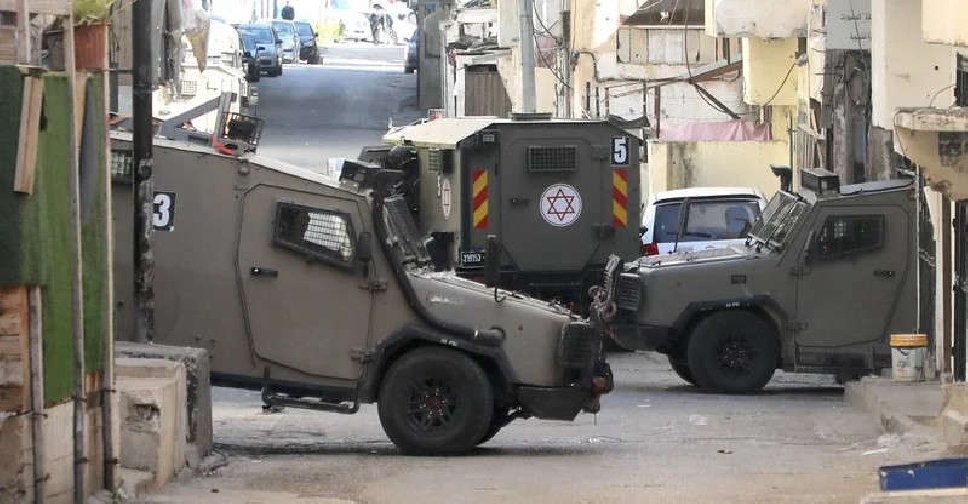 Israeli forces kill 16 people in Gaza and the West Bank, medics say
 Israeli foreign minister denies reports of Lebanon talks
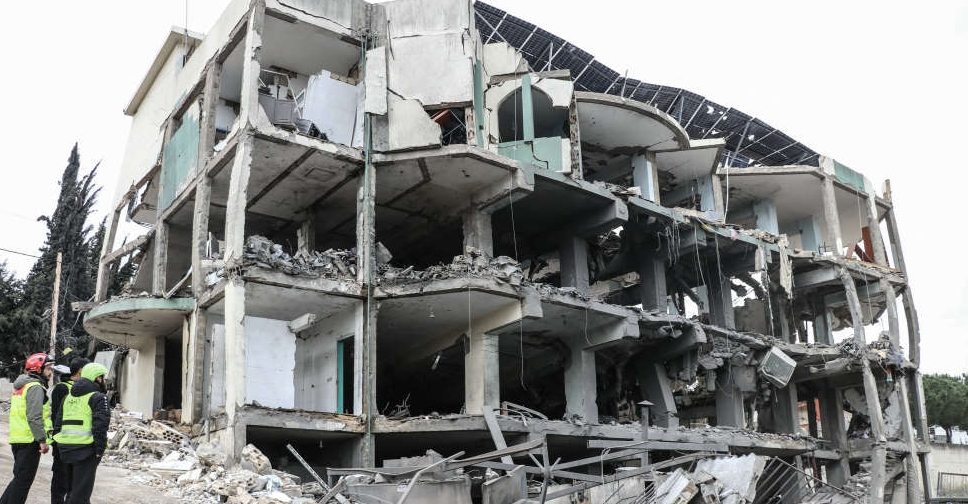 WHO chief says 12 dead in strike on Lebanon's primary healthcare center
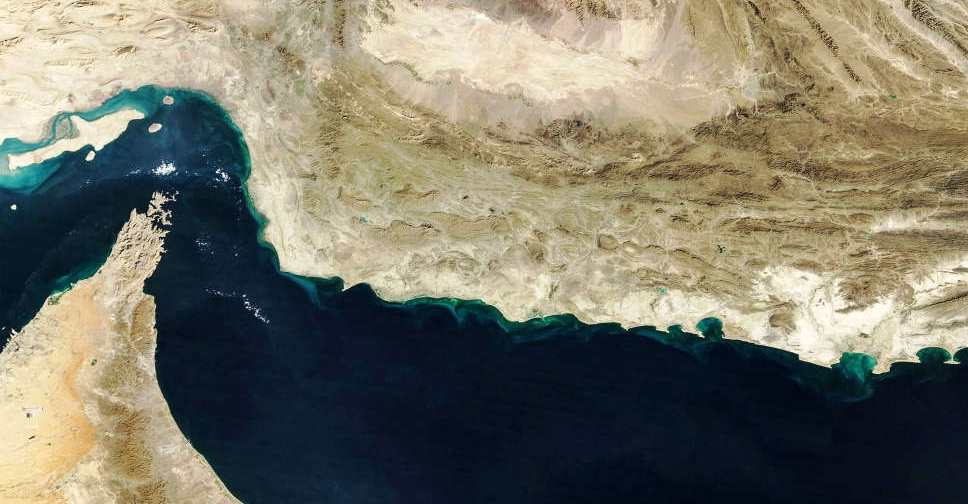 India seeks passage of more vessels after some pass through Strait of Hormuz
 Israeli forces kill four Palestinians in West Bank, Palestinian health authorities say
 US embassy in Baghdad hit in missile attack, security sources say
 Twenty people, including soldiers and civilians, killed in armed attack in Nigeria