

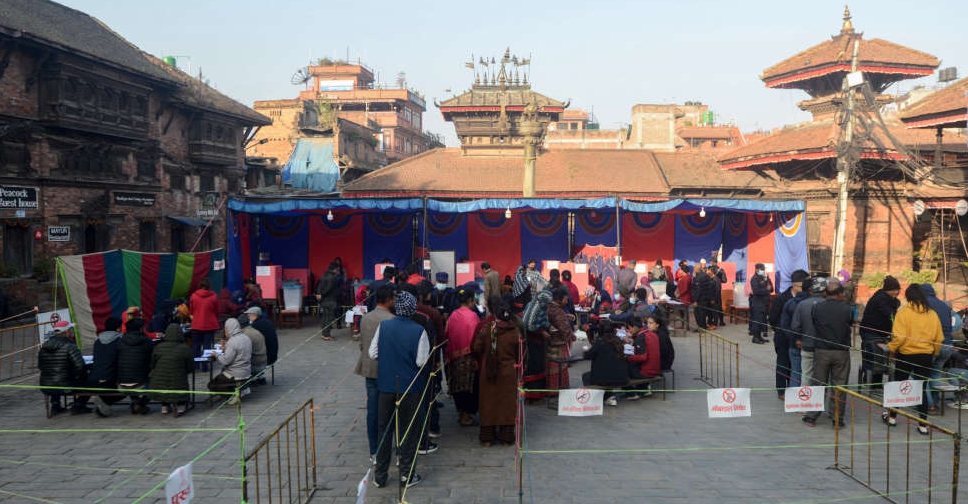
Nepalis were voting on Sunday in a general election that few expect to bring drastic change - or a government able to quickly revive the economy.
The election pits the ruling alliance of the Nepali Congress party, led by Prime Minister Sher Bahadur Deuba and some former Maoist rebels, against the Nepal Communist Unified Marxist Leninist (UML) party.
There are no pre-election polls, but political analysts expect the ruling alliance to retain power.
Polls close at 5:00 pm (1115 GMT), the Election Commission said. It could take up to two weeks to declare final results.
About 18 million people are eligible to vote for the 275-member parliament and the 550 members of seven provincial assemblies through a mix of first-past-the-post and proportional representation systems.
In a video message, Deuba said voting would strengthen the nascent democracy. "Let us celebrate democracy by participating in voting," he added.
Political stability has proven elusive for the poor nation, wedged between China and India, discouraging many investors. Nepal has had 10 governments since the abolition of a 239-year-old monarchy in 2008.
Political parties promised to bring down prices, create jobs and boost the economy at nationwide rallies.
A #nonotagain campaign was trending on social media, urging voters not to reelect many party leaders over their alleged failure to fulfil promises. Several young and independent candidates, including medical and IT professionals, are challenging them.
The Election Commission has urged voters to cast their secret votes without fear of threat, intimidation and obstacle.
"Voting is not only their right but also their duty to choose representatives through the secret ballot," Chief Election Commissioner Dinesh Thapalia told Reuters.
Analysts said a new government would face the challenge of reviving the economy and curbing high prices.
There are fears that a global recession might reduce remittances, which account for about a quarter of GDP.
Tourism, which contributed 4 per cent to GDP before the pandemic, has yet to fully recover. In the first 10 months of this year, more than 450,000 tourists visited Nepal, less than half the number of pre-COVID visitors in all of 2019.
Foreign reserves are shrinking and retail inflation has been hovering at six-year highs of about 8 per cent in the Himalayan nation, where one in five people live on less than $2 a day.


 At least 14 killed in explosion at weapons depot in Syria
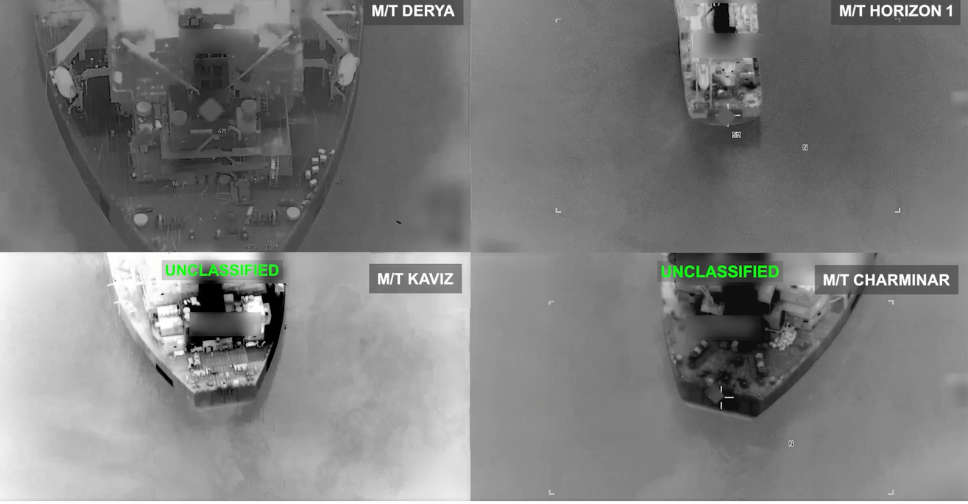 US hits five Iranian oil tankers after attack on Navy ships
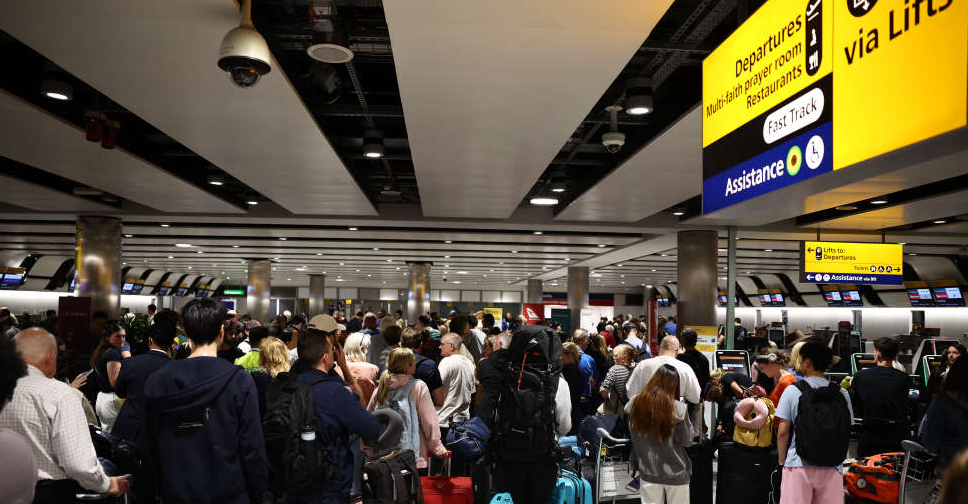 UK flights resume after major air traffic outage but airports warn of more disruption
 Serbia's President Vucic dissolves parliament, calls snap elections
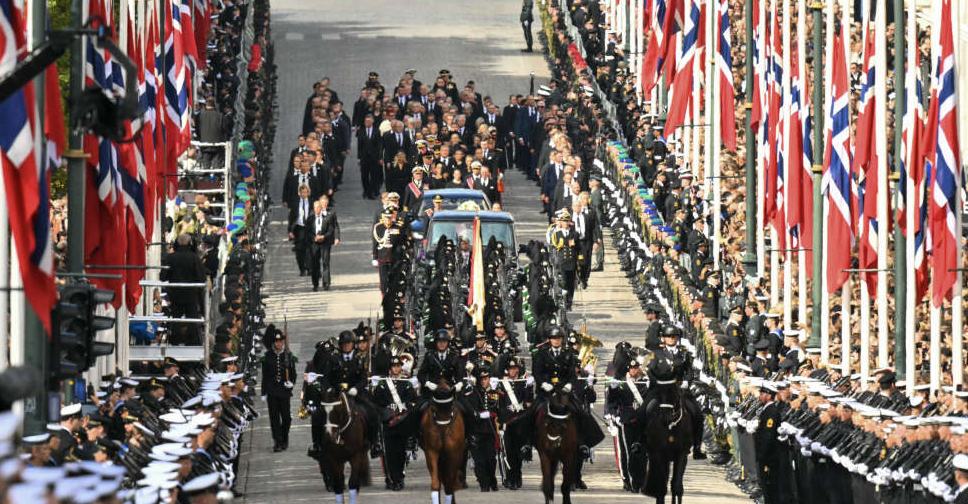 With large crowds attending, Norway lays King Harald to rest
 Jordan intercepts 18 Iranian ballistic missiles
 Air traffic control issue disrupts flights at major UK airports
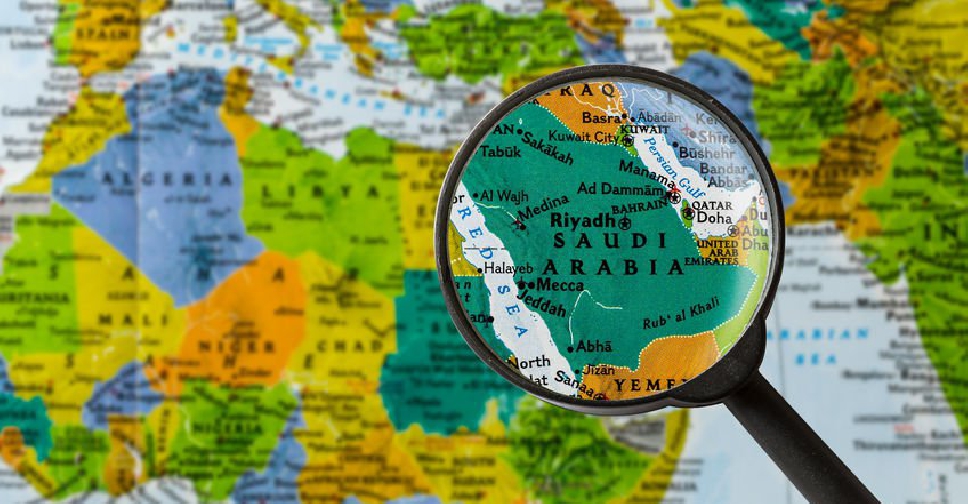 At least 73 injured after Houthi rebels attack Saudi civilian and energy facilities