

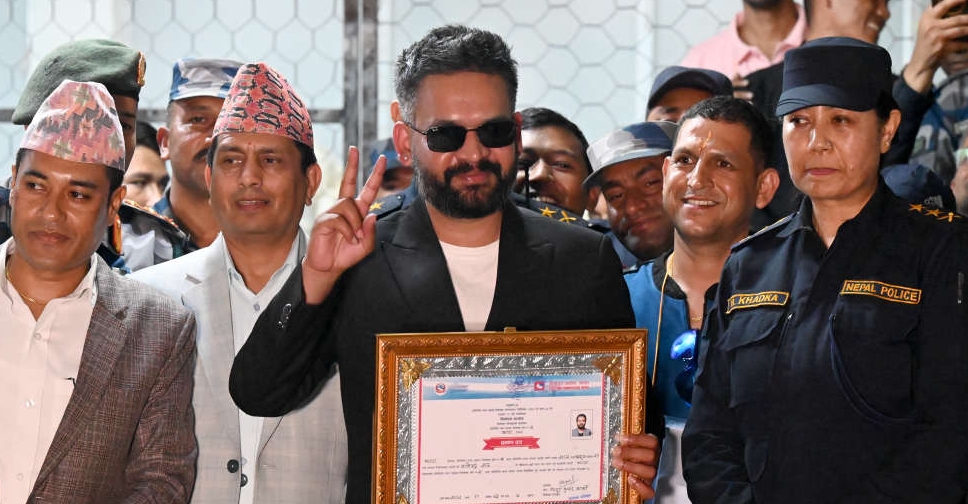
A three-year-old party has won Nepal's general elections by a landslide, authorities said, positioning its candidate Balendra Shah to become the next prime minister, with a mandate for the rapper-turned-politician to restore political stability.
The March 5 election was the Himalayan nation's first vote since demonstrations against corruption last September led by Gen Z protesters that killed 77 people and toppled the government.
"If everything goes well, we can expect that it can give a stable government for five years," said constitutional expert Purna Man Shakya, referring to splits over dividing up the spoils of office that doomed prior majority governments.
Shah’s Rastriya Swatantra Party (RSP) won 182 seats in the 275-member parliament, the Election Commission said on Thursday, the largest majority of any party in more than six decades.
That holds out hope for stability in a nation that has seen 32 changes of government in the last 35 years, battering investors' confidence while crippling economic and jobs growth.
"We are encouraged by the victory," said newly-elected lawmaker Sisir Khanal, a senior leader of the winning RSP. "The mandate has made us very responsible."
The election relegated the oldest party, the Nepali Congress, to distant second place with just 38 seats, while the Communist Party of Nepal of former Prime Minister K.P. Sharma Oli won only 25.
Former Chief Justice Sushila Karki succeeded Oli as the interim prime minister tasked with holding the election.
The election has been dominated by Shah, the former mayor of Kathmandu, the capital, whose rap music critical of the establishment gained him near-rockstar-like fame on social media.
He is the first politician expected to become prime minister who hails from the southern plains, known as Madhesh, where smaller regional groups failed to win a single seat.
His RSP canvassed on a programme to fight graft, create jobs and more than double the $42 billion-economy in five years.
But its firebrand leader Ravi Lamichhane, a former television host, faces charges of misusing the funds of small saving companies. He denies the accusations and has been freed on bail.
Last year's youth-led uprising in the nation of 30 million nestled between China and India followed a social media ban that drew thousands into the streets, triggering clashes and deaths that forced Oli's resignation.

 US carrying out rescue effort after losing aircraft in Iraq
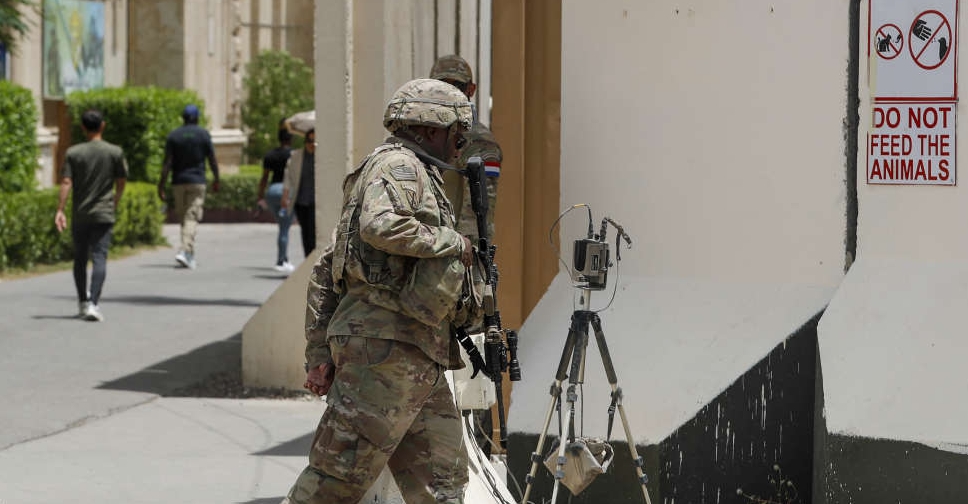 One French soldier killed, 6 injured in Iraq after drone attack
 Suspect shot dead after crashing truck into Detroit-area synagogue
 Australia releases petrol and diesel from emergency reserves
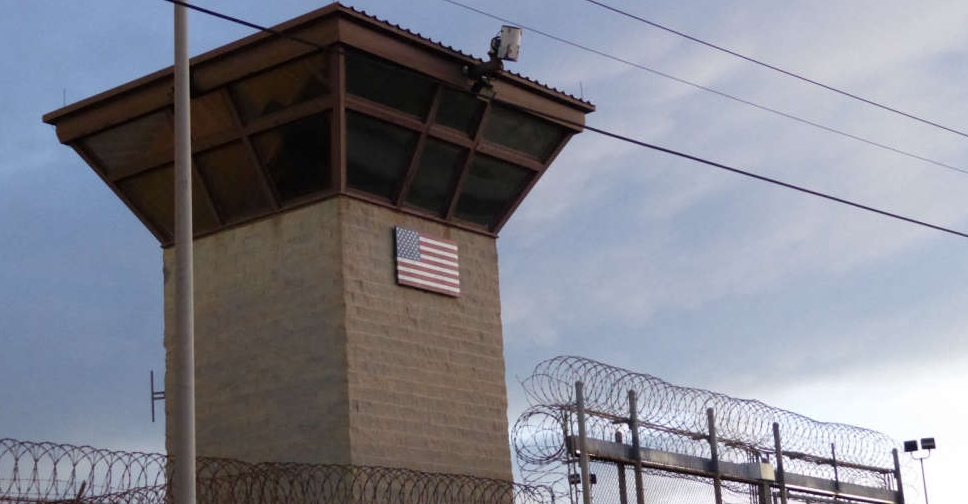 Cuba to release 51 prisoners in Vatican-brokered deal
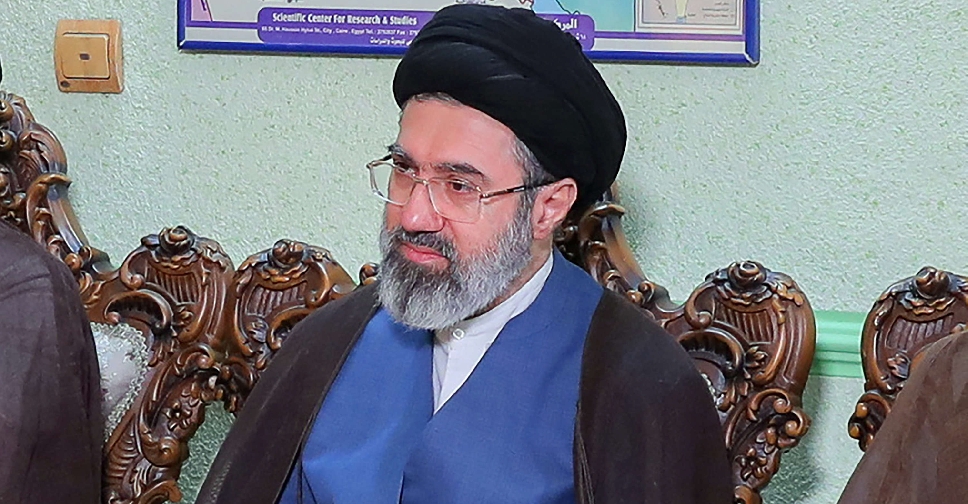 Iran's supreme leader, in first remarks, vows to keep strait closed
 FBI investigating fatal Virginia university shooting as act of terrorism
 Four Bahrainis arrested for spying for Iranian Guard