

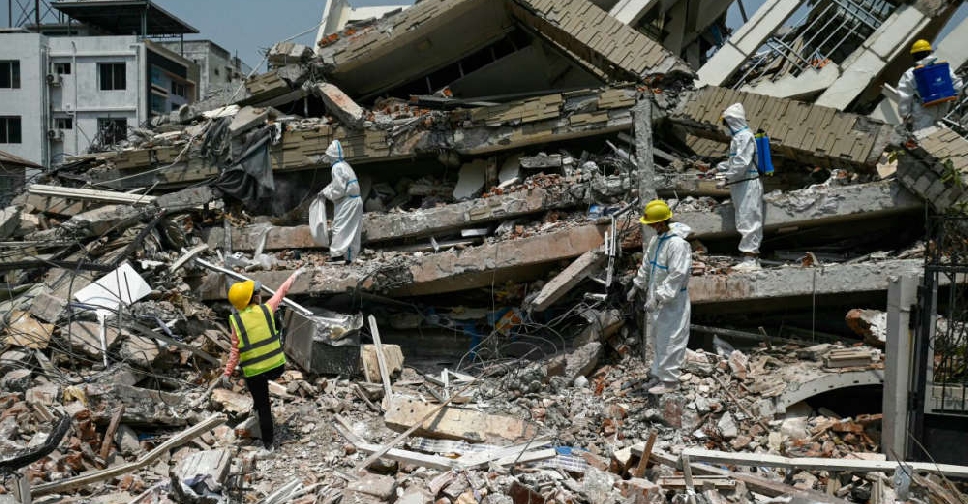
The death toll from Myanmar's devastating earthquake has surpassed 3,000, with hundreds more missing, as forecasts of unseasonal rain presented a new challenge for rescue and aid workers trying to reach people in a country riven by civil war.
Last Friday's 7.7-magnitude quake, one of the Southeast Asian nation's strongest in a century, jolted a region home to 28 million, toppling buildings, flattening communities and leaving many without food, water and shelter.
Deaths rose to 3,003 on Wednesday, with 4,515 injured and 351 missing, Myanmar's embassy in Japan said on Facebook, while rescuers scramble to find more.
But conditions could get even tougher for the huge relief effort after weather officials warned unseasonal rain from Sunday to April 11 could threaten the areas hardest-hit by the quake, such as Mandalay, Sagaing and the capital Naypyidaw.
"Rain is incoming and there are still so many buried," an aid worker in Myanmar told Reuters. "And in Mandalay, especially, if it starts to rain, people who are buried will drown even if they've survived until this point."
There have been 53 airlifts of aid to Myanmar, the embassy in Japan added in its post, while more than 1,900 rescue workers arrived from 15 countries, including Southeast Asian neighbours and China, India and Russia.
Despite the devastation, junta chief Min Aung Hlaing will leave his disaster-stricken country on Thursday for a rare trip to a regional summit in Bangkok, state television said.
It is an uncommon foreign visit for a general regarded as a pariah by many countries and the subject of Western sanctions and an International Criminal Court investigation.
The rains will add to the challenges faced by aid and rescue groups, which have called for access to all affected areas despite the strife of civil war.
The military has struggled to run Myanmar since its return to power in a 2021 coup that unseated the elected civilian government of Nobel laureate Aung San Suu Kyi.
The generals have been internationally isolated since the takeover and Myanmar's economy and basic services, including healthcare, have been reduced to tatters following the strife.
On Wednesday state-run MRTV said a unilateral government ceasefire would take immediate effect for 20 days, to support relief efforts after the quake, but warned authorities would "respond accordingly" if rebels launched attacks.
The move came after a major rebel alliance declared a ceasefire on Tuesday to assist the humanitarian effort.
Nearly a week after the quake, searchers in neighbouring Thailand hunting for survivors combed a mountain of debris left after a skyscraper in the capital, Bangkok, collapsed while under construction.
Rescuers are using mechanical diggers and bulldozers to break up 100 tons of concrete to locate any still alive after the disaster that killed 15 people, with 72 still missing.
Thailand's nationwide toll stands at 22.

 Trump says Iran war deal close as Strait of Hormuz tensions linger
 Fire breaks out at New Zealand's Wellington airport, disrupting flights
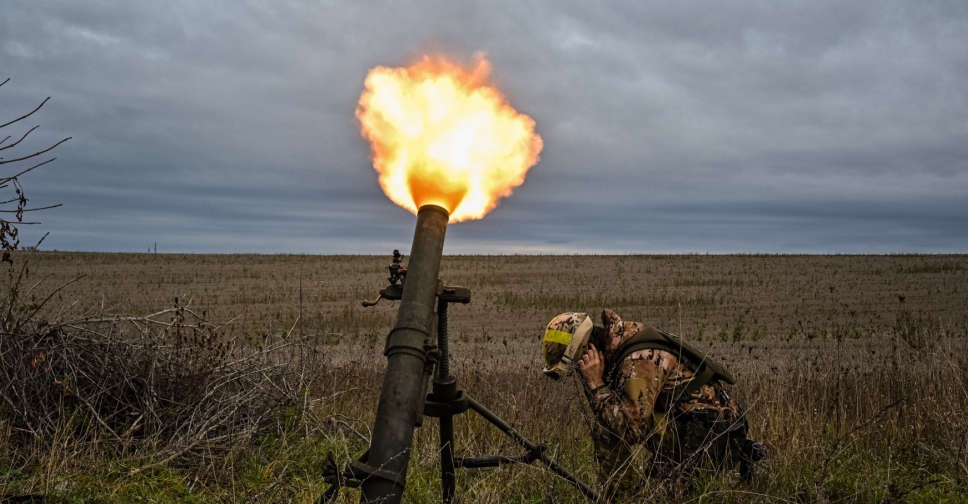 Ukraine and Russia trade overnight drone strikes, officials say
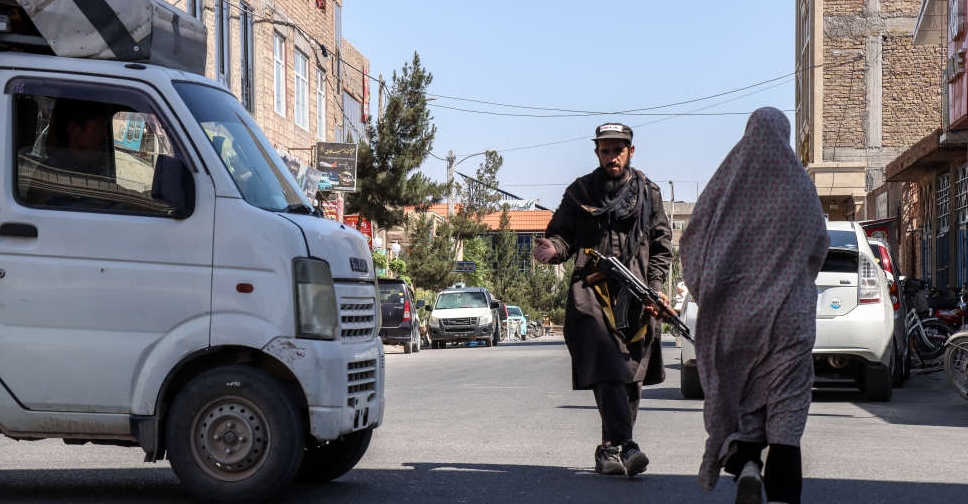 UN says Taliban arrest 30 women for violating hijab rules in Afghanistan
 Trump cancels US strikes on Iran, citing progress in talks
 South Korea court sentences ex-President Yoon to 30-year jail term in drone case
 Thai king's eldest daughter dies, aged 47, after long illness
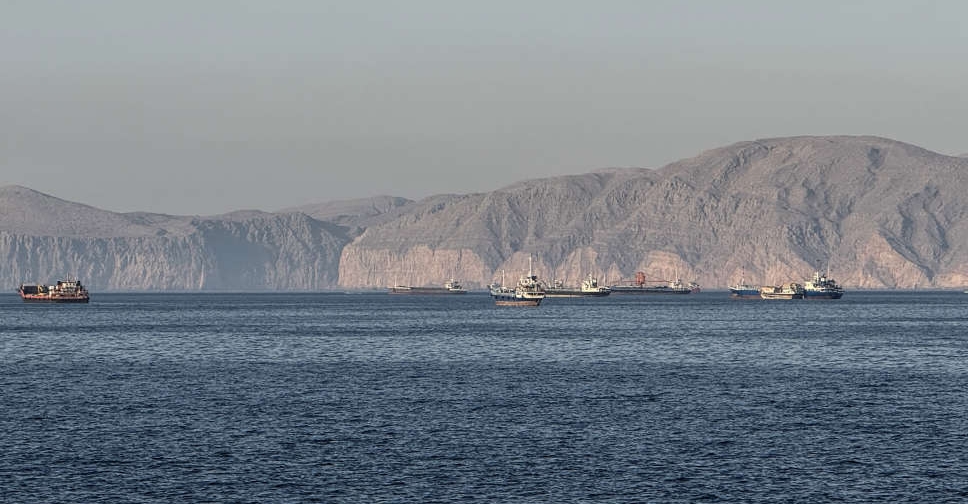 US confirms third strike on Indian-crewed tankers this week