

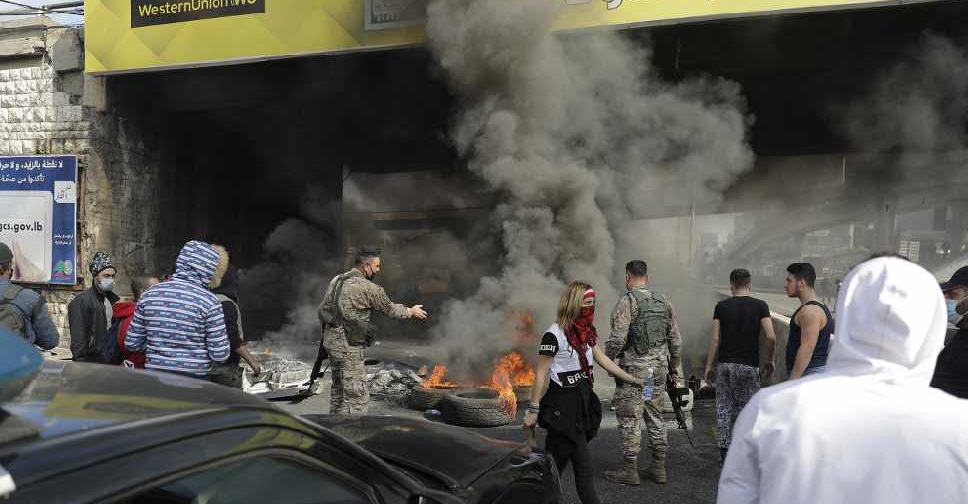
Demonstrators burnt tyres to block main roads all over Lebanon for the seventh straight day on Monday in anger at more than a year of economic crisis and six months of political paralysis.
"We have said several times that there will be an escalation because the state isn't doing anything," said Pascale Nohra, a protester in Jal al-Dib. "October 17 has to be repeated."
Protests at the start of Lebanon's financial crisis in 2019 brought hundreds of thousands onto the streets to bring down the government.
On Monday, three main roads leading south into the capital from Zouk, Jal al-Dib and al-Dawra were blocked while, in Beirut itself, protesters blocked a main road in front of the central bank.
Tens of thousands of jobs have been lost in the crisis, bank accounts have been frozen and many have started to go hungry.
After an explosion devastated whole tracts of Beirut in August, the next government resigned.
But the new prime minister-designate, Saad al-Hariri, is at loggerheads with President Michel Aoun and has been unable to form a new government to carry out the reforms that would unlock billions of dollars of international aid.
Since the Lebanese pound tumbled to a new low last Tuesday, protesters have been blocking roads daily.
On Saturday, caretaker prime minister Hassan Diab threatened to quit to raise the pressure on those blocking the formation of a new government.


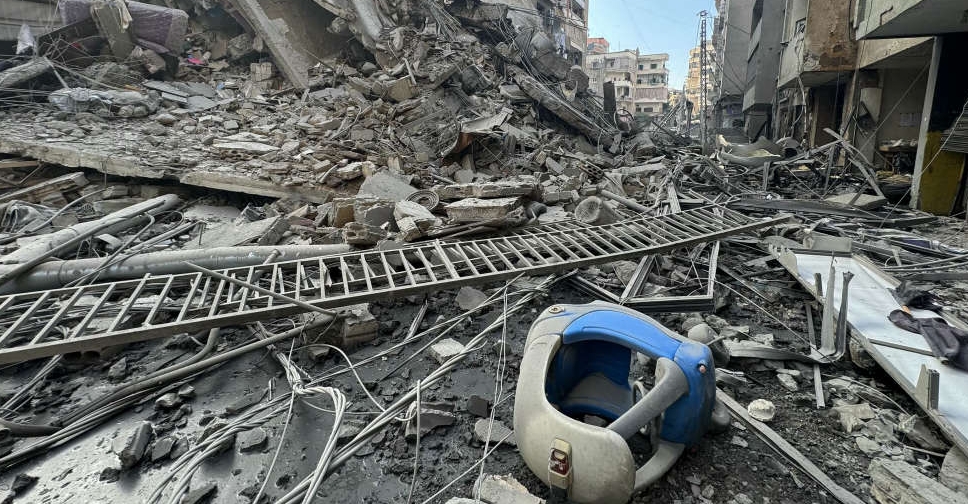 Israel carries out rare airborne raid in Lebanon; 16 killed in strikes
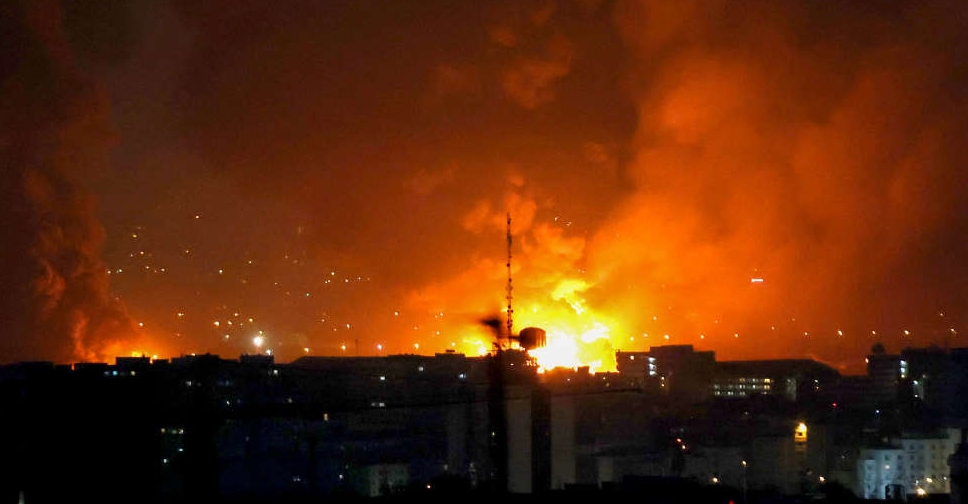 US skips congressional review to approve arms sale to Israel
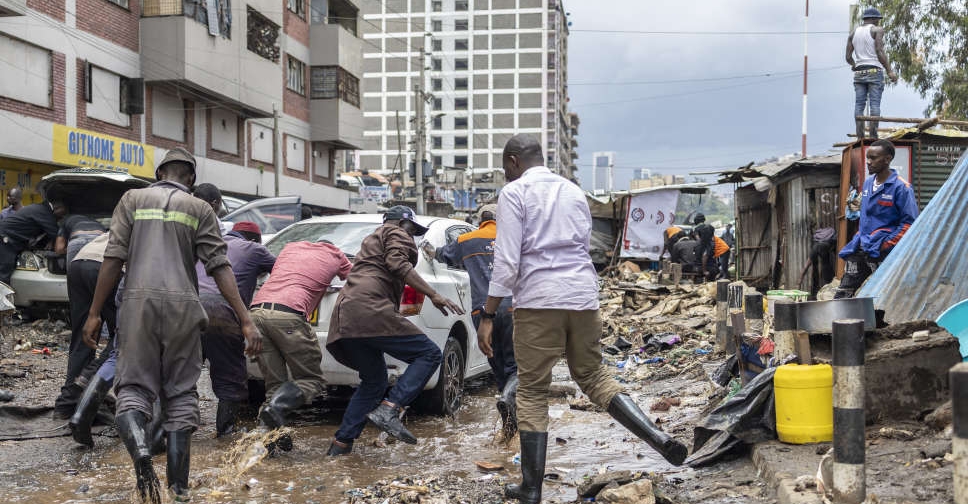 Flash floods in Nairobi kill 23, disrupt flights at major airport
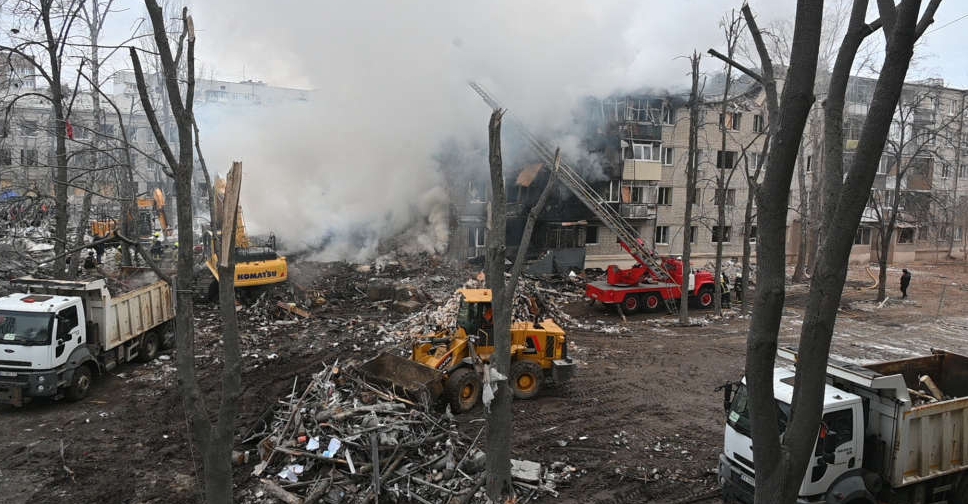 Russia hits Ukraine with drones, missiles, kills at least 10 in Kharkiv
 Partial resumption of air navigation in Qatar
 Kuwait and Qatar thwart fresh wave of Iranian attacks
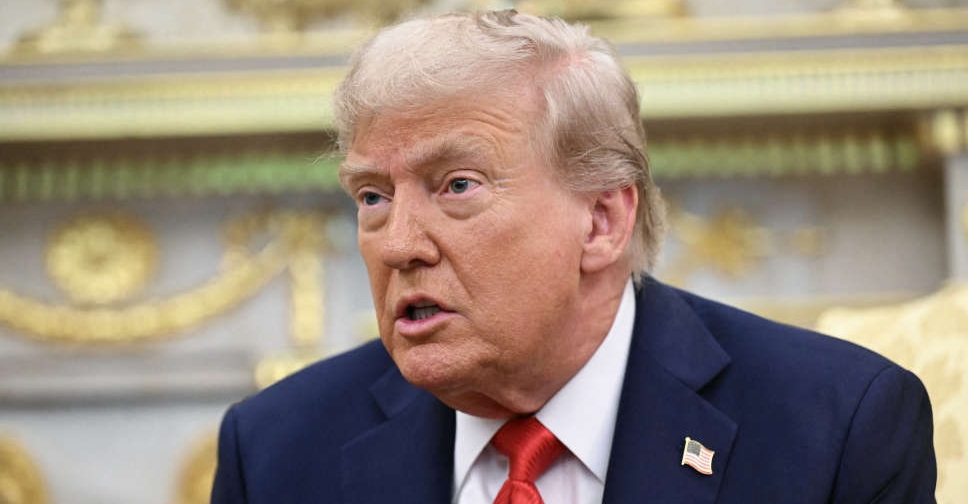 After a week of war, Trump demands Iran's 'unconditional surrender'
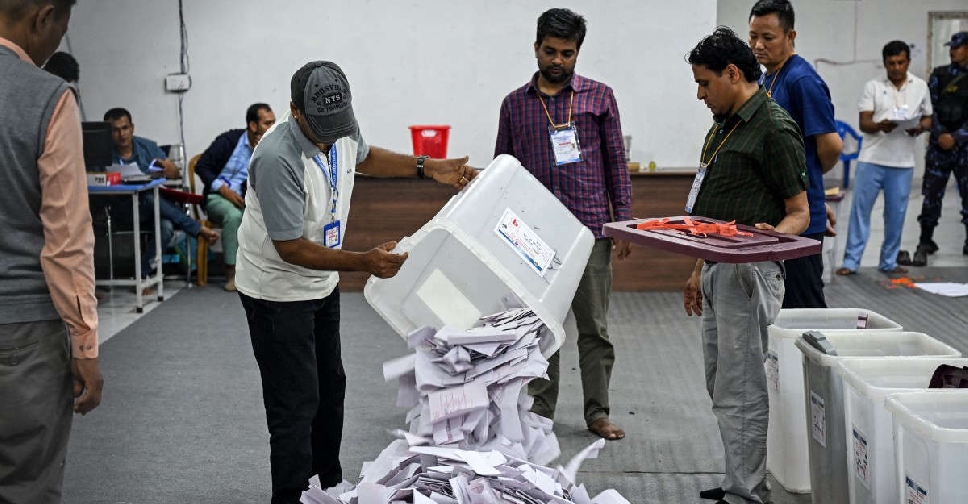 Ex-rapper's party set to sweep Nepal election