
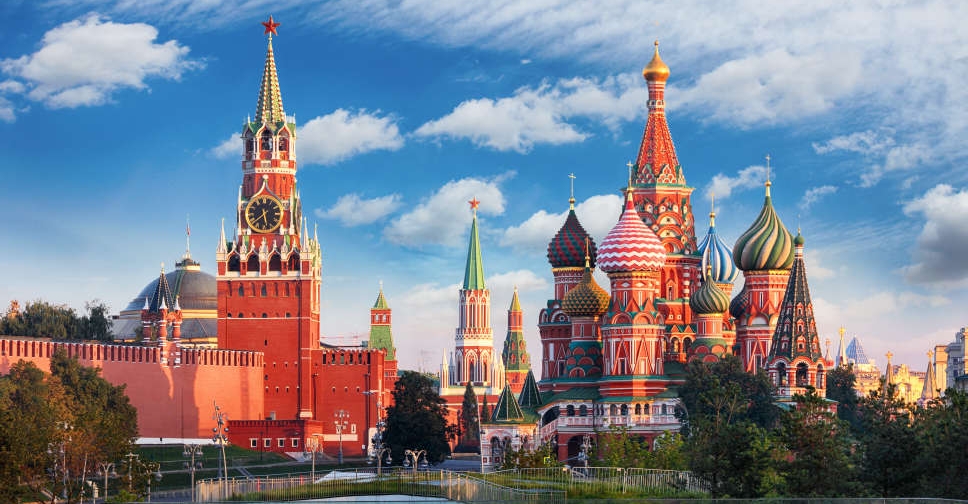
Russia and NATO are now in "direct confrontation", the Kremlin said as the US-led alliance marked its 75th anniversary on Thursday.
NATO's successive waves of eastern enlargement are a fixation of President Vladimir Putin, who went to war in Ukraine two years ago with the stated aim of preventing the alliance from coming closer to Russia's borders. Instead, the war has galvanised NATO, which has expanded again with the entry of Finland and Sweden.
Kremlin spokesman Dmitry Peskov told reporters: "In fact, relations have now slipped to the level of direct confrontation."
NATO was "already involved in the conflict surrounding Ukraine (and) continues to move towards our borders and expand its military infrastructure towards our borders", he said.
Putin has repeatedly said that Russia was cheated by the West in the aftermath of the Cold War as Moscow's Warsaw Pact alliance was disbanded but NATO moved eastwards by taking in former pact members and the three Baltic states that had been part of the Soviet Union.
The West rejects that version, saying NATO is a defensive alliance and joining it was a democratic choice by countries that had shaken off decades of Communist rule.
NATO says it is helping Ukraine fight for its survival in the face of Russian aggression, and has provided Kyiv with advanced weapons, training and intelligence.
Russia says that makes NATO de facto a party to the conflict. Putin said in February that a direct conflict between Russia and NATO would mean the planet was one step away from World War Three.

 Israeli airstrike kills at least 3 Palestinians in southern Gaza, medics say
 South Korea toughens school exam rules after smart-device cheating scandal
 Russian attack on Ukraine's Dymer in Kyiv region kills 11, official says
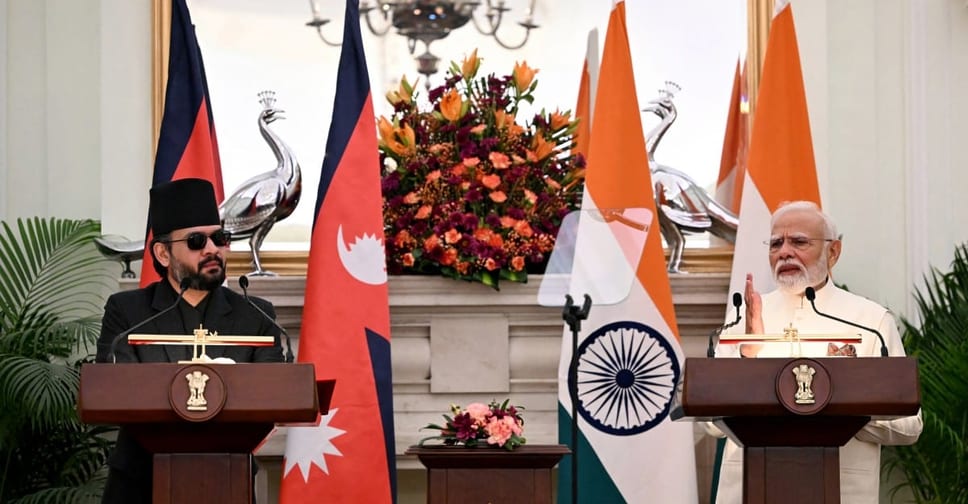 India announces $1.62 billion package for flood-hit Nepal
 Schools across Germany, Denmark receive bomb threats
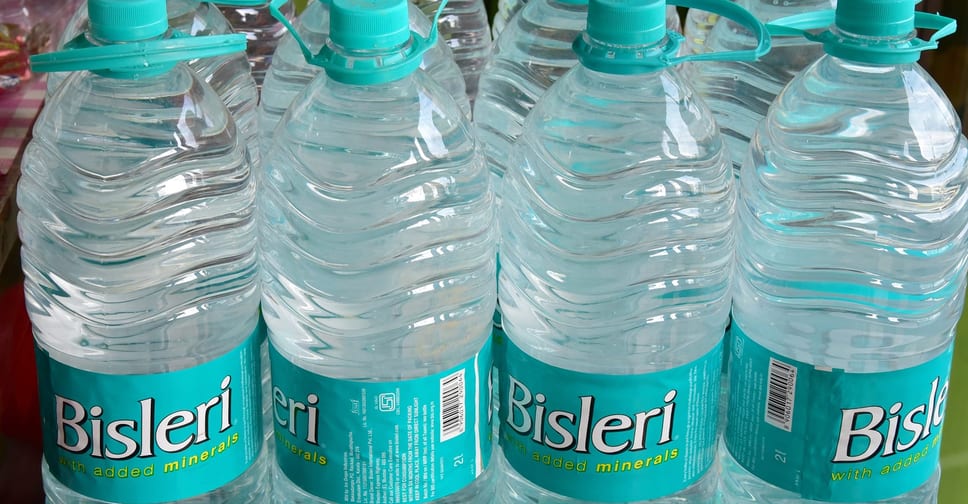 India finds sample of popular Bisleri water unsafe, to widen checks to all brands
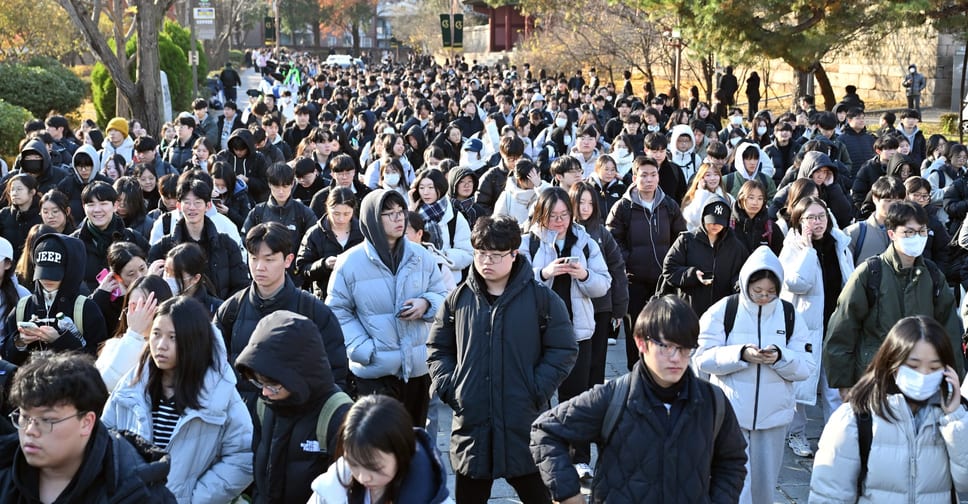 South Korea's education minister quits over exam cheating chaos
 COP31 climate talks break down as EU, others reject deal