

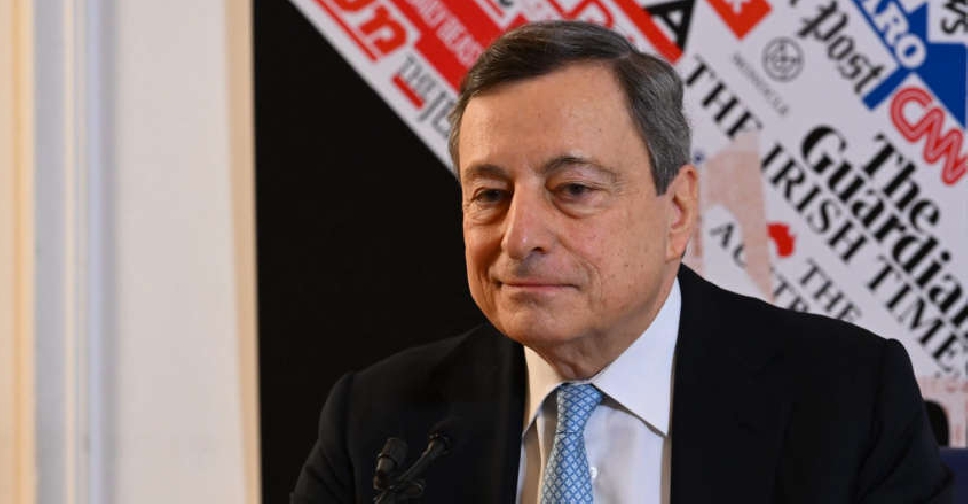
Italian Prime Minister Mario Draghi's coalition government appeared on the brink of collapse on Thursday after the 5-Star Movement, one of its members, failed to support a parliamentary confidence vote including measures to offset the cost of living crisis.
Within minutes of the vote, Draghi headed to the Quirinale Palace in Rome to meet President Sergio Mattarella, the supreme arbiter in Italian politics, who will have to decide how to resolve the crisis, a government source said.
It was not clear whether former European Central Bank (ECB) head Draghi, 74, planned to offer his resignation.
The confidence vote had become a focal point for tensions within Draghi's broad coalition as its parties prepare to fight each other in a national election due by early 2023.
Draghi raised the stakes by saying he would not want to lead a government without 5-Star, who emerged as the largest party in the previous election in 2018 but have since suffered defections and a loss of public support.
The confidence vote, which was passed 172 votes to 39, was used to expedite parliamentary clearance of multi-billion euro aid package which also includes a provision allowing the city of Rome to build a giant trash incinerator.
5-Star has been pressing Draghi to do more to help cushion rising living costs by raising government borrowing and has also long opposed the incinerator project.
The 5-Star decision plunged Italy into political uncertainty and risks undermining efforts to secure billions of euros in European Union funds, tackle a damaging drought and reduce its reliance on Russian gas.
It could also lead to national elections as early as September or October.
Italy is due to vote by the first half of next year and tensions have been rising between members of a coalition that has been in place since early 2021 and straddles both sides of the political divide.
The risks of a collapse of a Draghi government rippled through financial markets where Italian bond yields rose sharply, indicating investors demanding a higher premium to hold its debt, and shares fell.
The vote comes at a challenging time for Italy, the third largest economy in the euro zone, where borrowing costs have risen sharply as the ECB starts tightening its monetary policy.
The ECB is working on a new tool to contain divergence between German borrowing costs and those of highly indebted member states like Italy.
Draghi, Italy's sixth prime minister in the past decade, had been seen as providing reassurance that Italy would respect any conditions attached to the new mechanism but his departure would create fresh uncertainty.


 Israel carries out rare airborne raid in Lebanon; 16 killed in strikes
 US skips congressional review to approve arms sale to Israel
 Flash floods in Nairobi kill 23, disrupt flights at major airport
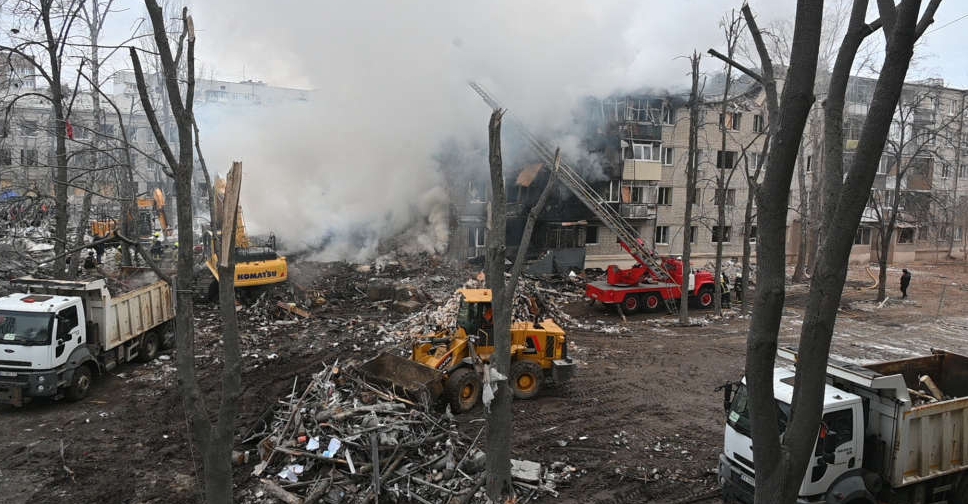 Russia hits Ukraine with drones, missiles, kills at least 10 in Kharkiv
 Partial resumption of air navigation in Qatar
 Kuwait and Qatar thwart fresh wave of Iranian attacks
 After a week of war, Trump demands Iran's 'unconditional surrender'
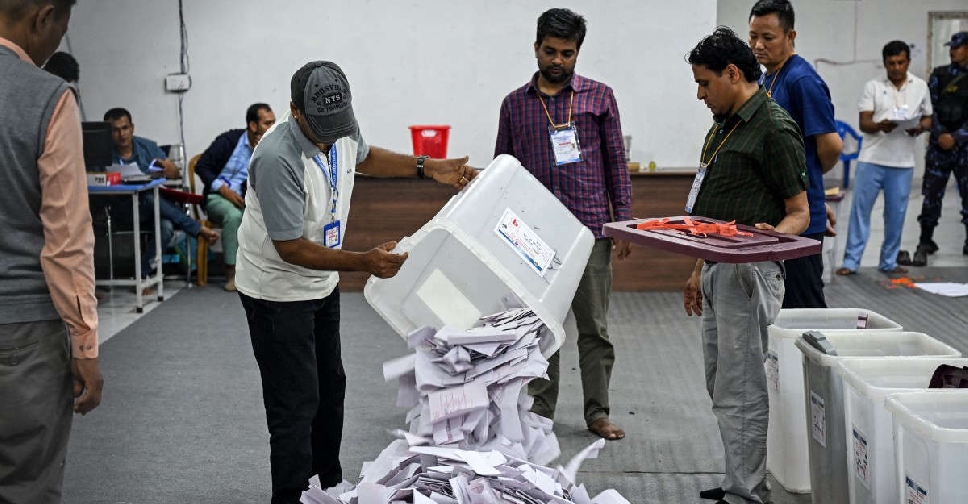 Ex-rapper's party set to sweep Nepal election