

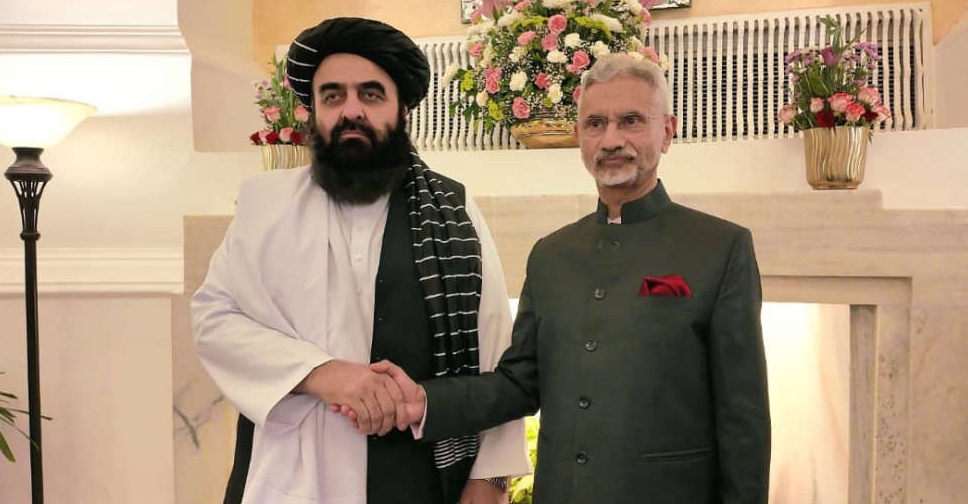
India on Friday upgraded ties with Afghanistan's Taliban administration, giving a boost to the diplomatically isolated group, by announcing it would reopen its embassy in Kabul that was shut after the Taliban seized power in 2021.
The Afghan Taliban administration will also send diplomats to New Delhi, its foreign minister said.
India closed its embassy in Kabul following the withdrawal of US-led NATO forces from war-torn Afghanistan four years ago, though it launched a small mission in 2022 to facilitate trade, medical support and humanitarian aid.
About a dozen countries including China, Russia, Iran, Pakistan and Turkey have embassies operating in Kabul, although Russia is the only country to have formally recognised the Taliban administration, whose members are under UN sanctions including a travel ban and asset freeze.
INDIA'S MOVE INFLUENCED BY TENSIONS WITH PAKISTAN, CHINA
India's announcement came during talks in New Delhi between Foreign Minister Subrahmanyam Jaishankar and his counterpart in the Taliban administration, Amir Khan Muttaqi, who is on a six-day visit after getting a temporary exemption on his travel ban.
It was the first such trip to India by a Taliban leader since 2021.
"India will raise its technical mission to a diplomatic mission in Kabul, and our diplomats will also come here," Muttaqi told reporters on Friday, adding that the aim was for the two countries to slowly return to "normalcy".
India and Afghanistan have historically had friendly ties, but New Delhi does not recognise the Taliban government.
India and the Taliban are now recalibrating their ties because of souring relations with their neighbour Pakistan as well as New Delhi's concerns about major power rival China making inroads in Afghanistan, said Harsh Pant, foreign policy head at India's Observer Research Foundation think tank.
"Engagement does not mean endorsement. There are many things that India is uncomfortable about (under Taliban rule) - minority rights, gender rights, and the human rights landscape in Afghanistan," he said.
"But there is a pragmatism inherent in India's engagement with the Taliban ... And this visit is, in some ways, continuing that tradition. It certainly can be considered the beginning of a new phase in India-Afghanistan relations under the Taliban government, which have been one-directional so far."
Muttaqi's visit aimed to develop ties with New Delhi and highlighted Taliban efforts to expand engagement with regional powers in a quest for economic relations and eventual diplomatic recognition, analysts said.
Western diplomats have said the Taliban administration's path to recognition is being stalled by its curbs on women.
AFGHANISTAN WON'T BE SPRINGBOARD FOR TERRORISM, FOREIGN MINISTER SAYS
In his opening remarks on Friday, Muttaqi referred to ongoing counter-terrorism efforts and said the Taliban administration would not allow anyone to use Afghanistan's territory for targeting other nations.
"We hope that Afghanistan and India, on an official level and in different areas, increase their engagement," he said.
In his remarks about Friday's deal, Jaishankar said India was "fully committed to the sovereignty, territorial integrity and independence of Afghanistan".
"Closer cooperation between us contributes to your national development, as well as regional stability and resilience," he said, adding that India's "technical mission" in Kabul was being upgraded to an embassy.
Jaishankar did not mention a timeline for the change.

 Explosion kills 6, injures 10 in Vietnam capital Hanoi
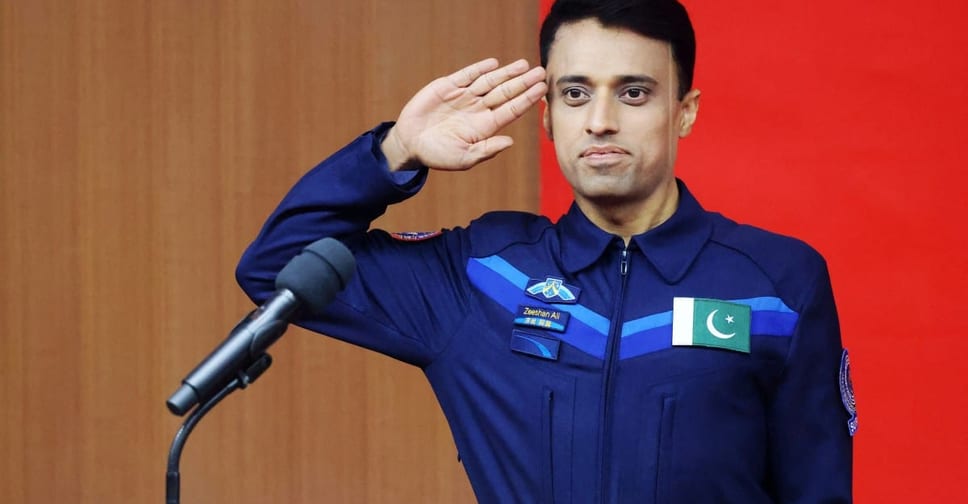 Pakistani pilot to become first foreigner to fly to China's space station
 Sheikh Hasina seeks to return to Bangladesh on December 16 on state carrier
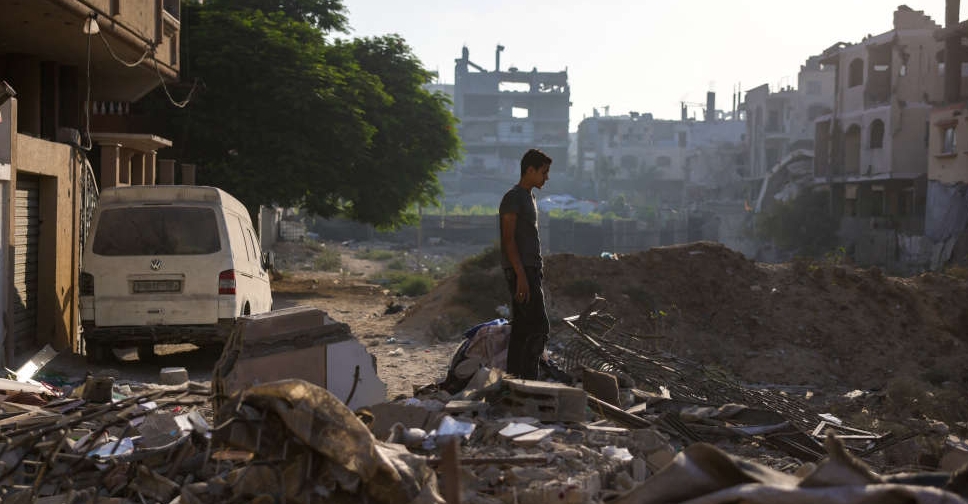 Israeli airstrikes kill at least six Palestinians in Gaza, medics say
 Israeli airstrike kills at least 3 Palestinians in southern Gaza, medics say
 South Korea toughens school exam rules after smart-device cheating scandal
 Russian attack on Ukraine's Dymer in Kyiv region kills 11, official says
 India announces $1.62 billion package for flood-hit Nepal