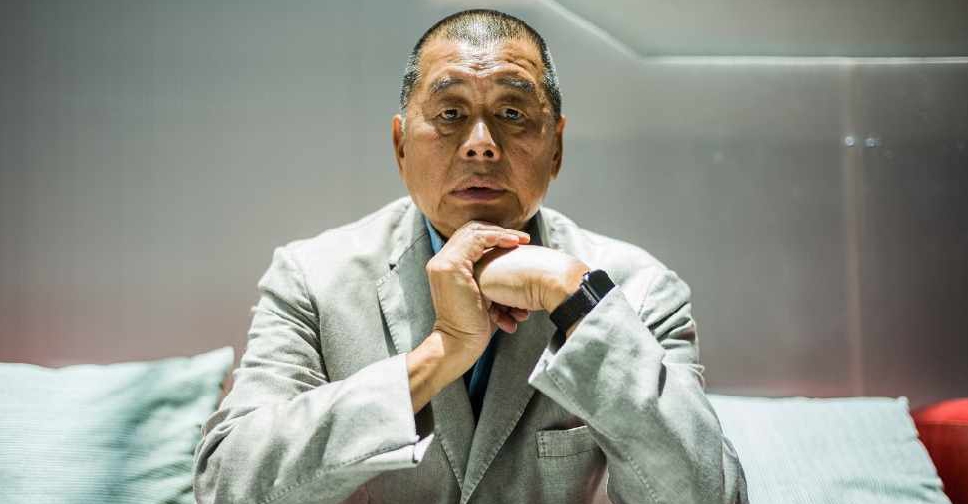
Hong Kong media tycoon Jimmy Lai became the highest-profile arrest under a new national security law on Monday.
Lai, 71, was detained over suspected collusion with foreign forces as scores of police searched the offices of his Apple Daily newspaper
His arrest comes amid Beijing's crackdown against pro-democracy opposition in the city and further stokes concerns about media and other freedoms promised to the former British colony when it returned to China in 1997.
It "bears out the worst fears that Hong Kong’s National Security Law would be used to suppress critical pro-democracy opinion and restrict press freedom," said Steven Butler, the Committee to Protect Journalists' Asia programme coordinator. "Jimmy Lai should be released at once and any charges dropped.”
Ryan Law, Apple Daily's chief editor, told Reuters the paper would not intimidated by the raid.
"Business as usual," he said.
The new security law punishes anything China considers subversion, secession, terrorism and collusion with foreign forces with up to life in prison. Critics say it crushes freedoms, while supporters say it will bring stability after prolonged pro-democracy protests last year.
Lai had been a frequent visitor to Washington, where he has met senior officials, including Secretary of State Mike Pompeo, to rally support for Hong Kong democracy, prompting Beijing to label him a "traitor".
Hong Kong police said they had arrested seven men, aged 39-72, on suspicion of breaching the new security law, without naming them, adding that further arrests were possible.


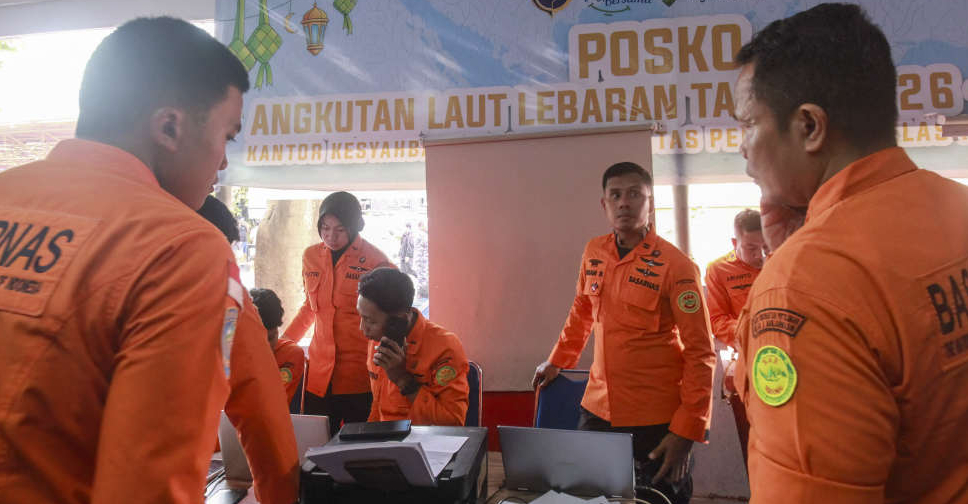 Rescuers search for 130 people after Indonesia passenger ship sinks; six dead
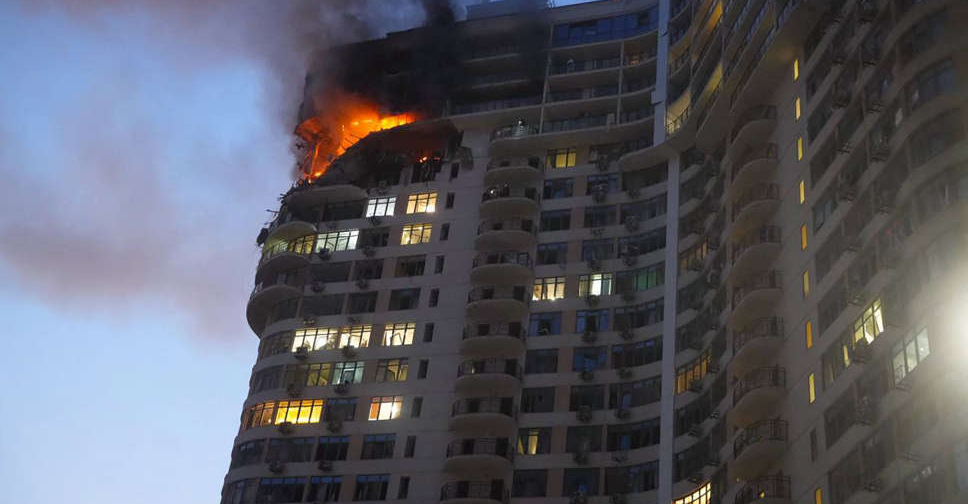 Russian drone attack injures five in Ukraine's Odesa, officials say
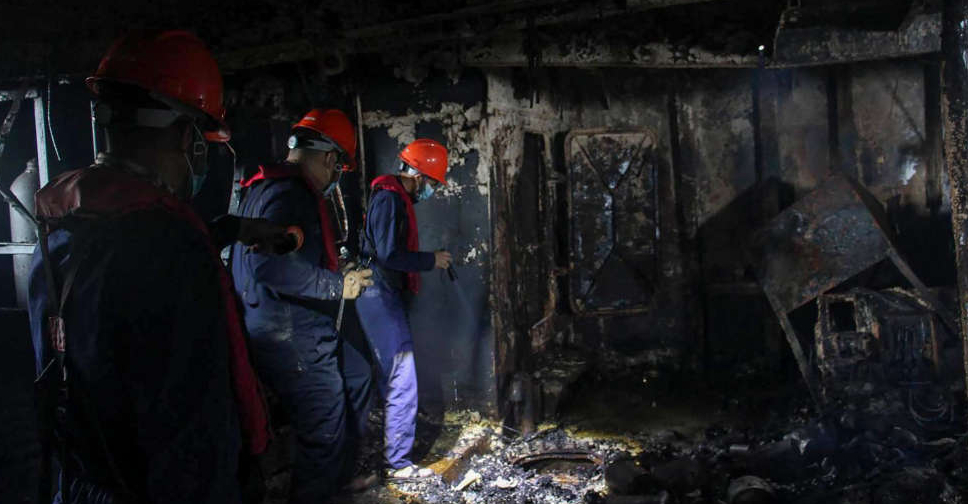 Philippine ferry fire victims may take months to identify, authorities say
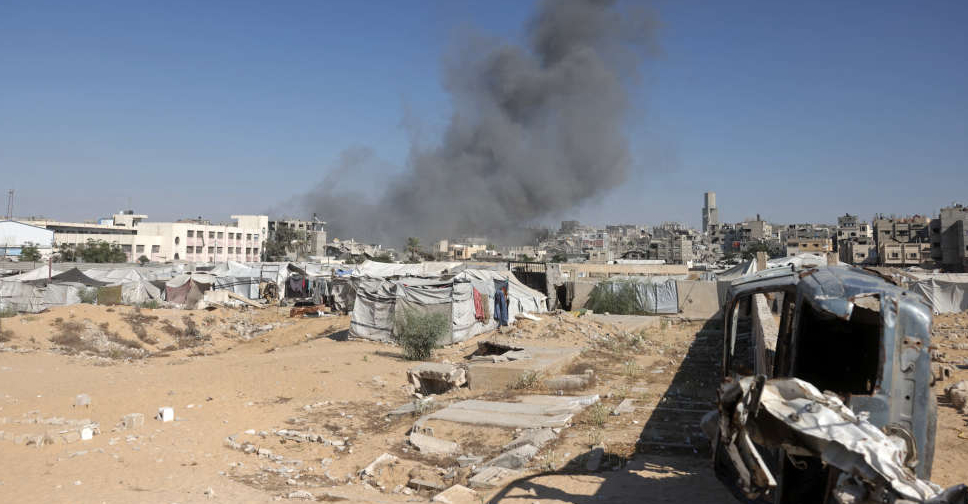 Israeli strike kills two people in Gaza, medics say
 Saudi Arabia shuts key oil pipeline after drone attack
 BRICS members agree joint declaration at New Delhi summit
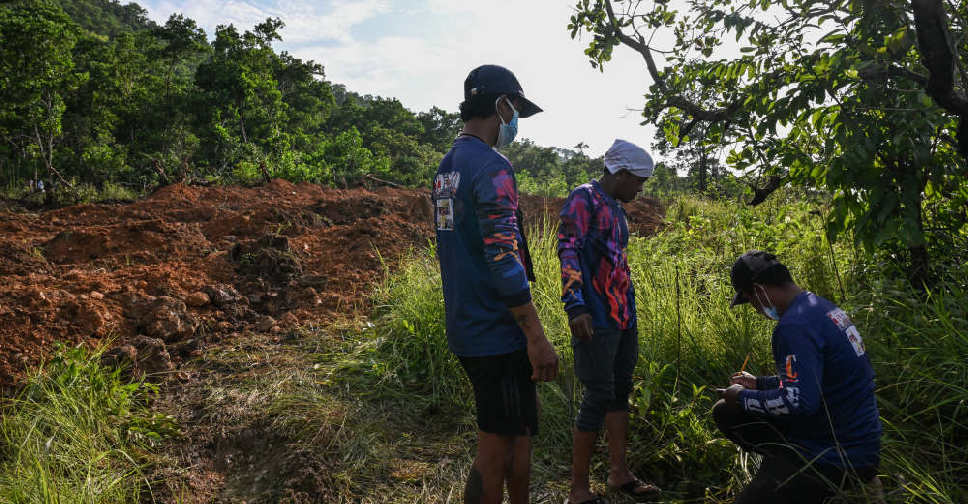 Death toll in Philippine ferry fire rises to 76 as rescuers recover more remains
 Russian attacks kill six, injure dozens in Ukraine, Moscow says it hits ships, plants