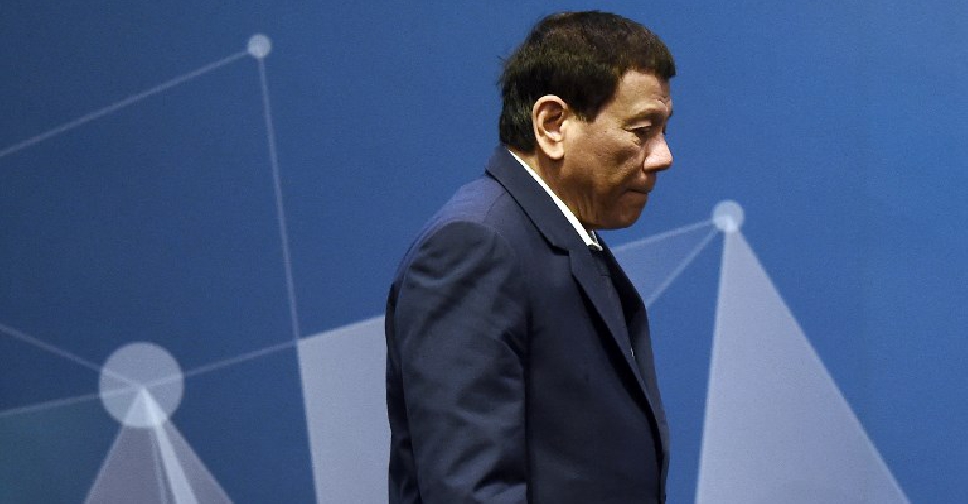
Alphabet Inc's Google said it will ban political advertising on its platform in the run-up to Philippine elections in May next year to choose a successor to President Rodrigo Duterte.
The move comes amid pressure on social media platforms over their handling of political advertising during the U.S. presidential election in 2020.
Social media platforms have become political battlegrounds in the Southeast Asian nation, with studies showing Filipinos top the rankings globally for time spent on social media.
Election advertisements that promote or oppose any political party or the candidacy of any person or party for public office, would not be allowed to run between February 8 to May 9, 2022, Google said in an update to its political content policy.
The dates cover the period of campaigning in the Philippines up to election day on May 9.
Google said notifications would be sent to affected advertisers about the policy update.
Google has banned political advertising on its platform before, including in Canada's federal election in 2019 and before an election in Singapore in 2020.
Social media platforms like Facebook have helped strengthen Duterte's support base, with analysts regarding them as instrumental in his election victory in 2016 and a rout by his allies in mid-term polls last year.
The Philippines will choose a successor to Duterte, who under the constitution is not allowed to seek another term, but will be standing for a senator's seat.


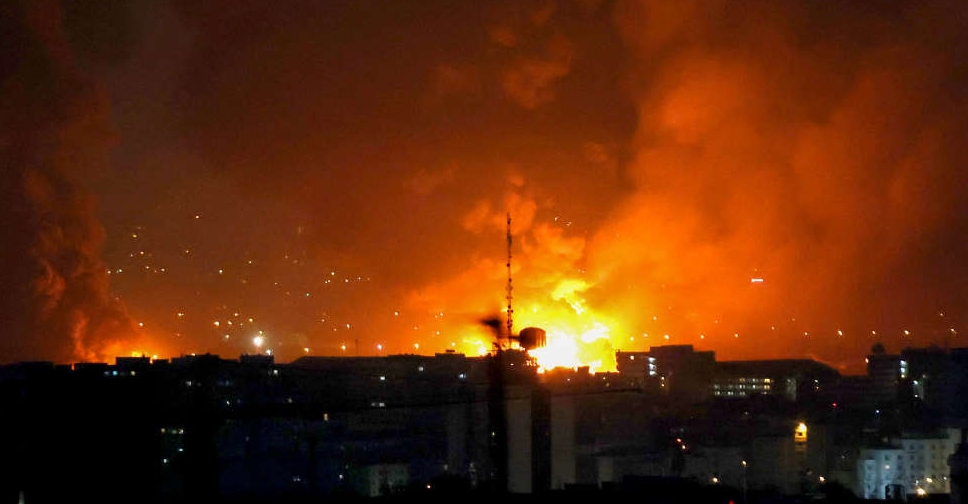 US skips congressional review to approve arms sale to Israel
 Partial resumption of air navigation in Qatar
 Kuwait and Qatar thwart fresh wave of Iranian attacks
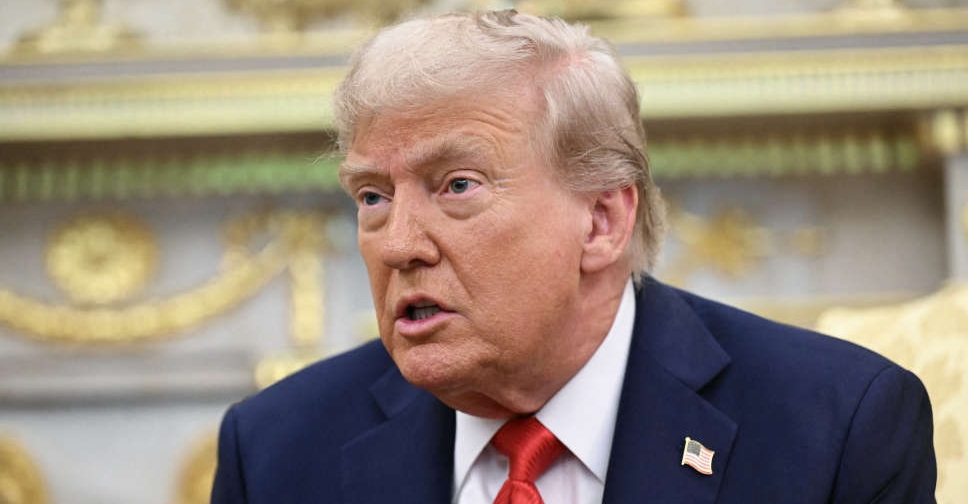 After a week of war, Trump demands Iran's 'unconditional surrender'
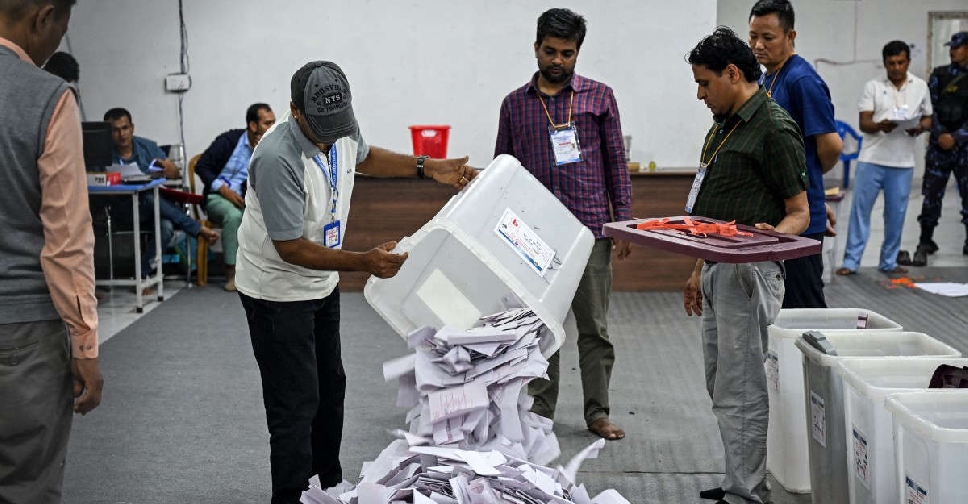 Ex-rapper's party set to sweep Nepal election
 Israeli airforce pounds Beirut, Lebanon death toll rises
 US releases Epstein-related FBI interviews mentioning Trump
 Hezbollah warns Israeli residents to evacuate towns near border