


Germany has decided to keep taking in migrants and refugees arriving in Italy, the interior minister said late on Friday, two days after it announced the suspension of a voluntary agreement with Rome to receive new arrivals.
Under a European Union solidarity scheme, Germany had pledged to help member states such as Italy that are particularly overwhelmed by migrants by taking in 3,500 people, but it announced the suspension of the accord on Wednesday.
It said Rome was not honouring its obligations under the EU's so-called Dublin rules to process asylum applications in the EU country of first arrival.
But interior minister Nancy Faeser said the recent arrival of thousands of migrants in the tiny Italian island of Lampedusa meant Germany would take in people after all.
"The reason we have suspended the procedure .... is that Italy has shown no willingness whatsoever to take back people under the Dublin procedure. Now it's, of course, clear that we will meet our obligation of solidarity," Faeser told German broadcaster ARD.
Italian Prime Minister Giorgia Meloni called on Friday for the EU to act jointly "with a naval mission, if necessary," to prevent migrants from crossing the Mediterranean from North Africa.
She promised tough action in response to the surge in migrant arrivals this week in Lampedusa, where the landing of 7,000 migrants triggered appeals for help from local politicians.
The Italian Coast Guard found a newborn baby dead on a boat carrying migrants to the island during a rescue operation, ANSA news agency reported on Saturday.


 Sydney Airport flights disrupted due to air traffic controller shortage
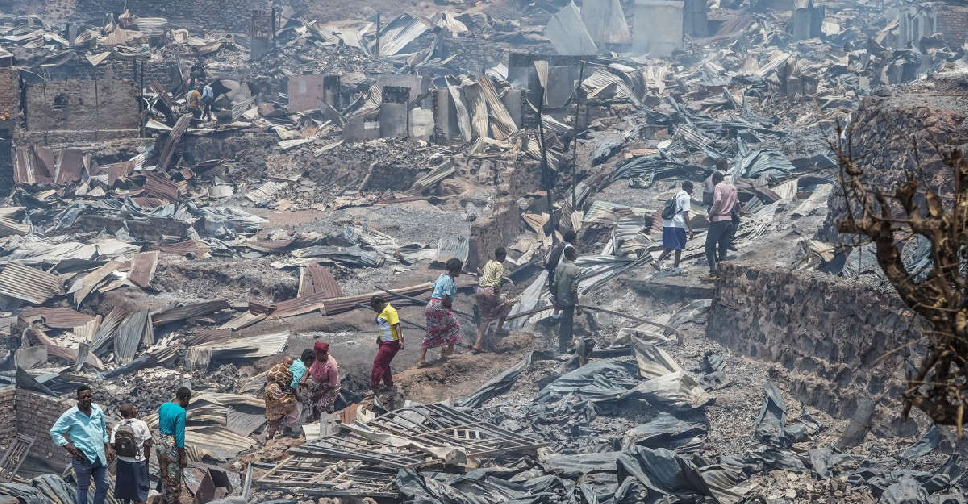 Fire in rebel-held east Congo kills 24 schoolchildren
 Trump says he does not regret Iran war despite potential impact on elections
 Trump touts $5,000 payout if Republicans win as Vance waits in wings
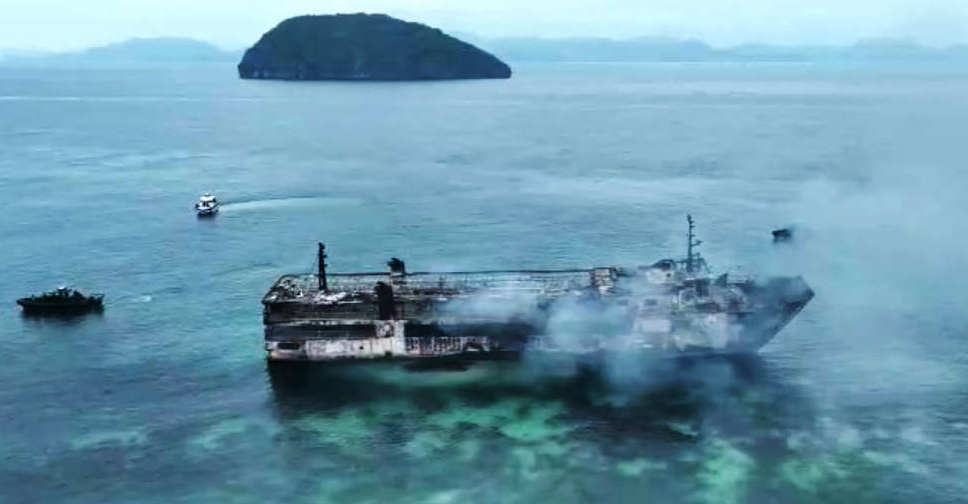 Search expands after Philippine ferry fire kills five and leaves dozens missing
 Trump says Iran war to end after US midterm elections
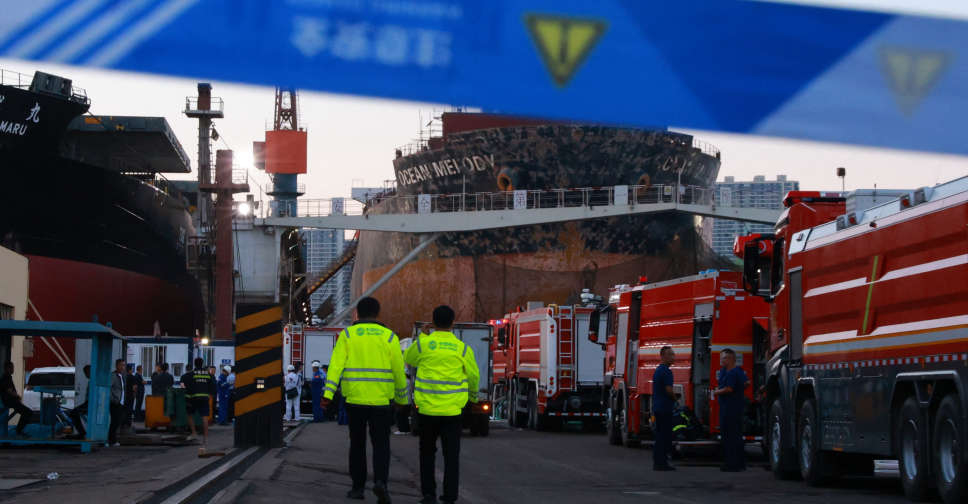 Cargo vessel fire at east China shipyard kills 25
 US military says it struck vessel in Caribbean, killing 3