

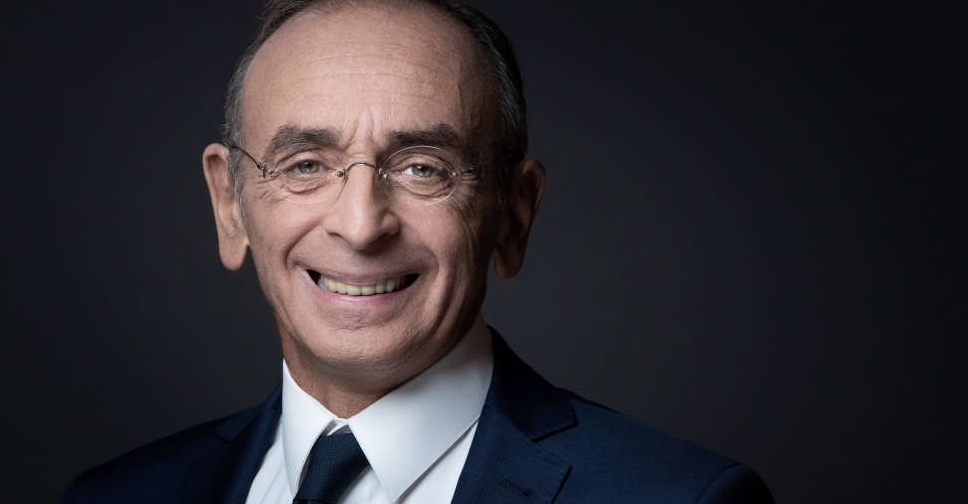
French far-right presidential candidate Marine Le Pen was dealt a fresh blow on Sunday as her party's only senator became the latest member to throw his support behind rival Eric Zemmour ahead of April's election.
Polls currently show Le Pen reaching a second round run-off against President Emmanuel Macron, who is then seen winning a second five-year term in office.
Though Le Pen is polling better than Zemmour, she is struggling to breathe new life into her campaign after a number of defections of which Senator Stephane Ravier is the latest and most high profile.
"From now on I am giving my support to Eric Zemmour in this presidential campaign because I'm convinced that he is the real uniter," Ravier said on Europe 1 radio.
Le Pen, who lost to Macron in a 2017 runoff election for president, has in recent years tried to make her party more palatable to traditional conservative and working class voters.
But that has turned off some core supporters who have instead backed Zemmour, a former journalist who has been convicted of inciting racial hatred.
Zemmour, who says he wants to save France from decadence and minorities that "oppress the majority", has made a career of testing the limits of political correctness.
Last month Le Pen's niece Marion Marechal, a popular figure among far-right voters, said Zemmour was a better candidate, and two EU lawmakers defected.
So far the defections have not translated into meaningful gains for Zemmour in the polls, which currently put him in fourth place behind Macron, Le Pen and Valerie Pecresse, the conservative Republicans' candidate.


 One dead, several injured in Iranian attack on Manama building
 Russian drones injure 20 in Ukraine's Kharkiv, Dnipro
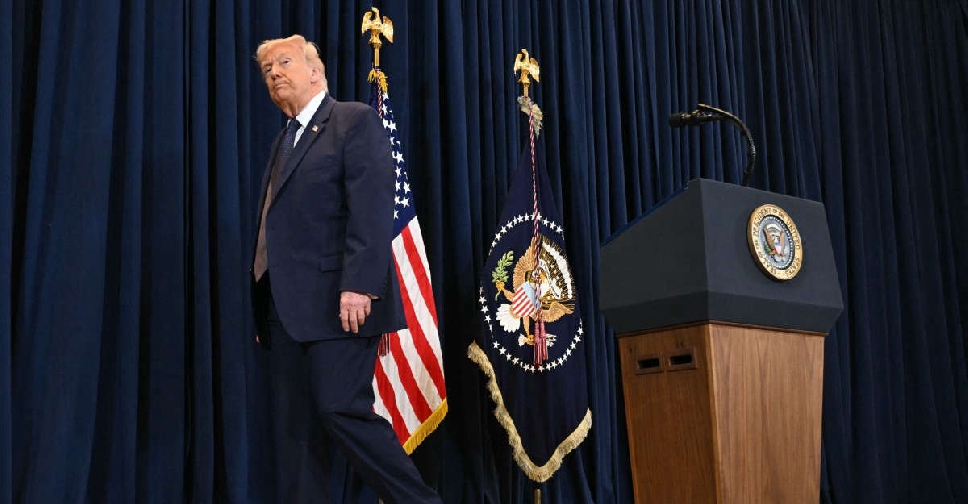 Trump says war could be over soon, as Iran rallies behind new leader
 Saudi Arabia, Jordan condemn attack on UAE consulate in Iraqi Kurdistan
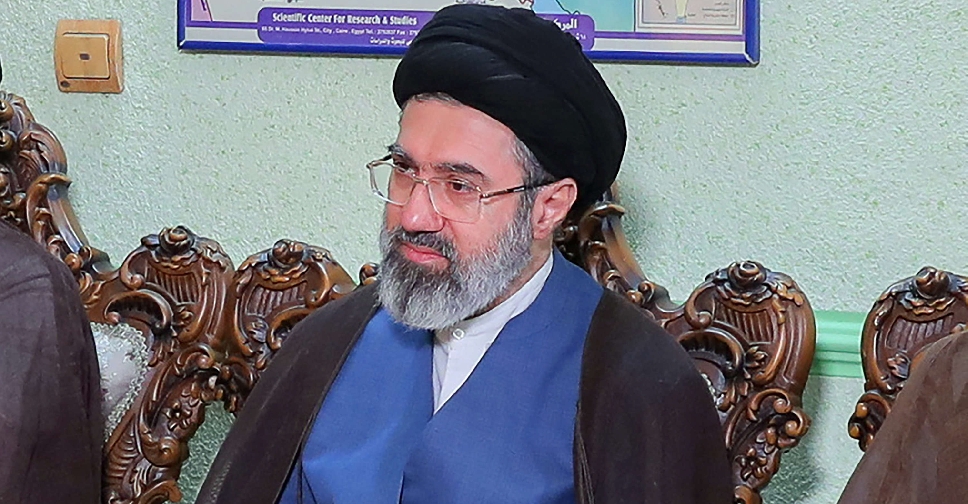 Iran names Mojtaba Khamenei as new supreme leader
 Indonesia says 7 killed in landfill collapse as rescue operation ends
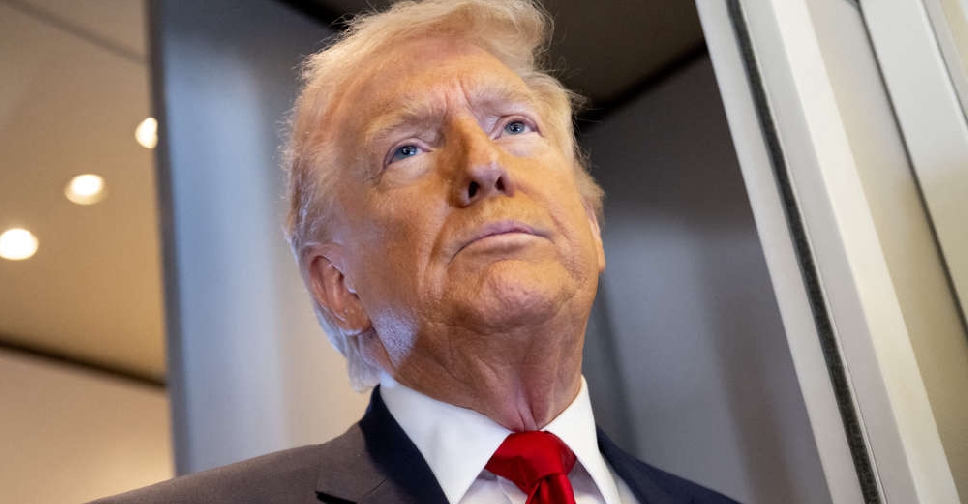 Trump says he is 'nowhere near' deciding to send troops to Iran
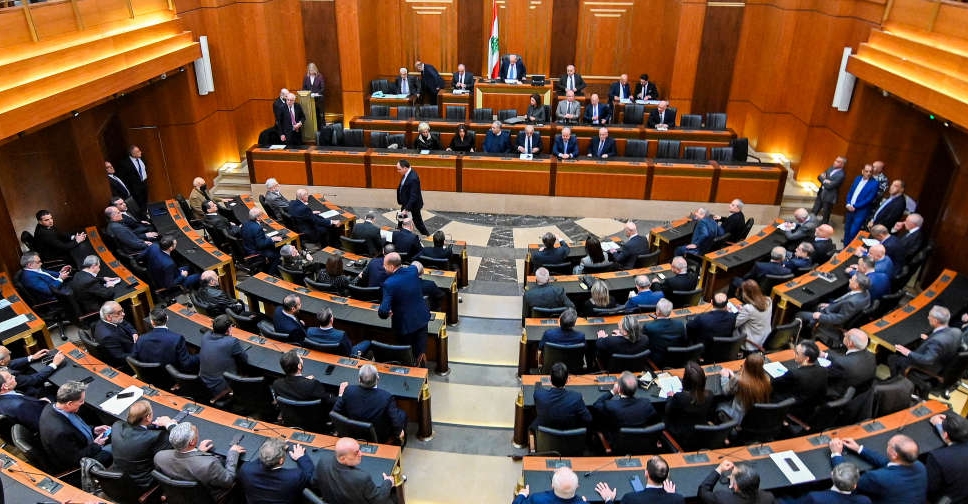 Lebanon parliament extends its own mandate for two years as war intensifies