


A delegation from Afghanistan's Taliban met on Tuesday with EU officials in Brussels for the first time.
The EU and its member countries have not recognised the Taliban government since the group returned to power five years ago after 20 years of war against a government backed by a US-led NATO force.
But Brussels has defended its decision to hold limited talks with Afghanistan's 'de facto authorities' as necessary to deport failed asylum seekers who commit crimes or are deemed dangerous.
A spokesperson for the EU's executive European Commission said that officials from the commission and 15 EU member states had attended the Brussels meeting, a followup to a previous meeting held in Kabul in January.
"The Commission services and Sweden co-chaired a technical-level meeting today in Brussels with technical-level representatives of the de facto authorities of Afghanistan responsible for return and readmission," the Commission spokesperson said.
A spokesperson for Afghanistan's Foreign Ministry described the agenda as wider, saying it included a possible consular presence in the EU, resumption of consular services for Afghans there, and "the need for trust-building measures".
The meeting raised "hope to build positive momentum to safeguard consular rights of Afghans residing abroad," added the spokesperson, Abdul Qahar Balkhi.
A letter from the Commission addressed to Balkhi and reviewed by Reuters said the talks would focus "on the return and readmission of Afghan nationals without a right to stay in the EU."
The visit was heavily criticised by rights groups, and a number of European politicians who said that such engagement could put Afghans at risk and undermine core EU values.
"Every invitation, every visa and every official meeting sends a political signal. The Taliban are not seeking technical discussions, they are seeking legitimacy," Hannah Neumann, a European lawmaker from the Green Party, said in statement backed by parliamentarians from Germany and former lawmakers from Afghanistan.
Belgium's Foreign Ministry had issued a visa that allowed the Afghan representatives to enter the country for only one day and restricted their presence to Belgian soil, rather than allow normal free movement in the EU's Schengen zone.
Since returning to power, the Taliban have steadily curtailed rights, restricting women's freedom of movement, banning girls from education beyond primary school and enforcing laws that limit free expression and access to employment.

 At least 14 killed in explosion at weapons depot in Syria
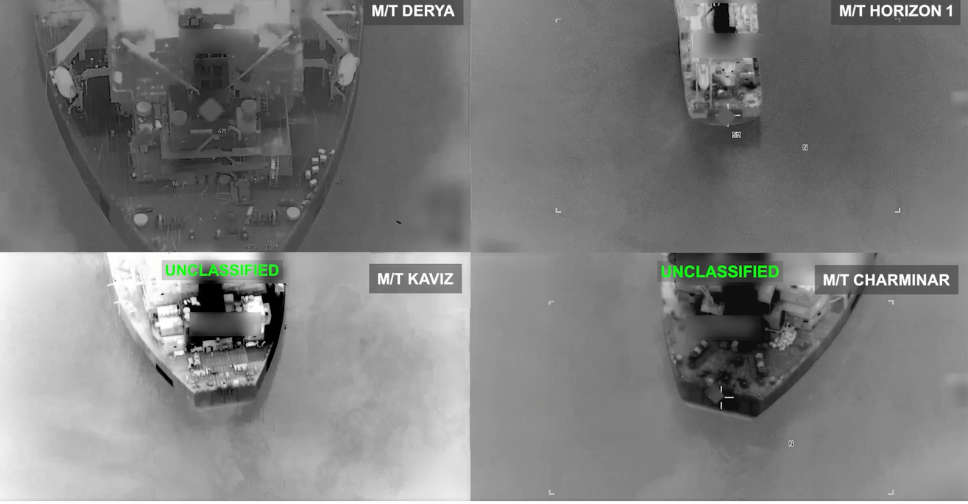 US hits five Iranian oil tankers after attack on Navy ships
 UK gives air traffic provider a week to probe outage that halted flights
 Serbia's President Vucic dissolves parliament, calls snap elections
 With large crowds attending, Norway lays King Harald to rest
 Jordan intercepts 18 Iranian ballistic missiles
 Air traffic control issue disrupts flights at major UK airports
 At least 73 injured after Houthi rebels attack Saudi civilian and energy facilities