

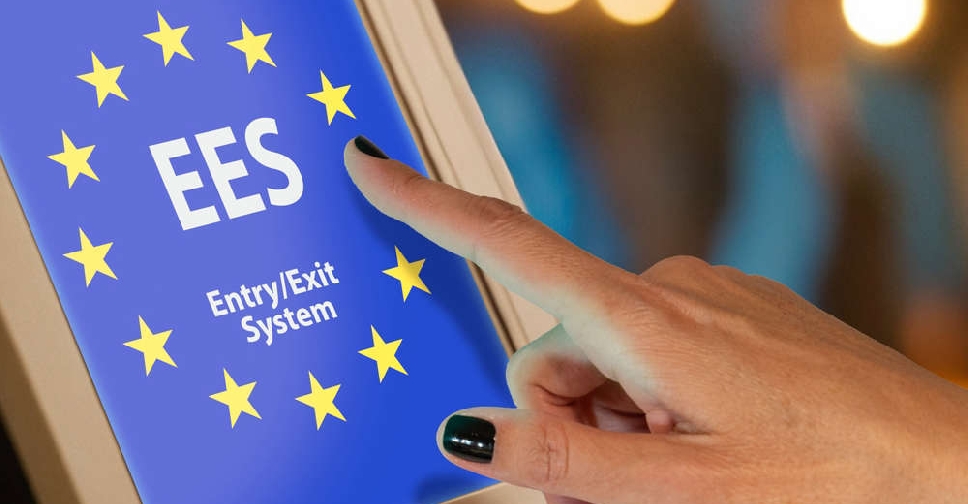
European Union member countries began rolling out a new entry and exit system on Sunday at the bloc’s external borders, electronically registering non-EU nationals' data.
The Entry/Exit System (EES), an automated system that requires travellers to register at the border by scanning their passport and having their fingerprints and photograph taken, will be introduced over six months.
The move is aimed at detecting overstayers, tackling identity fraud and preventing illegal migration amid political pressure in some EU countries to take a tougher stance.
"The Entry/Exit System is the digital backbone of our new common European migration and asylum framework,” European Internal Affairs and Migration Commissioner Magnus Brunner said in a statement.
Non-EU citizens will have to register their personal details when they first enter the Schengen area - all EU member countries apart from Ireland and Cyprus, but including Iceland, Norway, Switzerland and Liechtenstein. Subsequent journeys will only require facial biometric verification.
The system should be fully operational, with passport stamping replaced with electronic records, on April 10, 2026.
"Every third country national who arrives at an external border will undergo identity verification, security screening, and registration in the EU databases," Brunner said, adding that "the six-month rollout gives member states, travellers, and businesses time to transition smoothly to the new procedures".
For British travellers using the Port of Dover, the Eurotunnel terminal at Folkestone or Eurostar terminal at London's St Pancras International, the process will take place at the border before they leave the UK.
At Dover and the Eurotunnel terminal, only freight and coach traffic will be subject to EES checks from Sunday.
Passenger vehicle checks will follow in November at Dover and by the end of the year at Eurotunnel, while the Eurostar at St Pancras will gradually introduce the new process starting with some business travellers from Sunday.
"We recognise that EES checks will be a significant change for British travellers, which is why we have worked closely with our European partners to ensure the rollout goes as smoothly as possible," British Minister for Border Security and Asylum Alex Norris said.
"The UK and EU have a shared objective of securing our borders and these modernisation measures will help us protect our citizens and prevent illegal migration," Norris said.

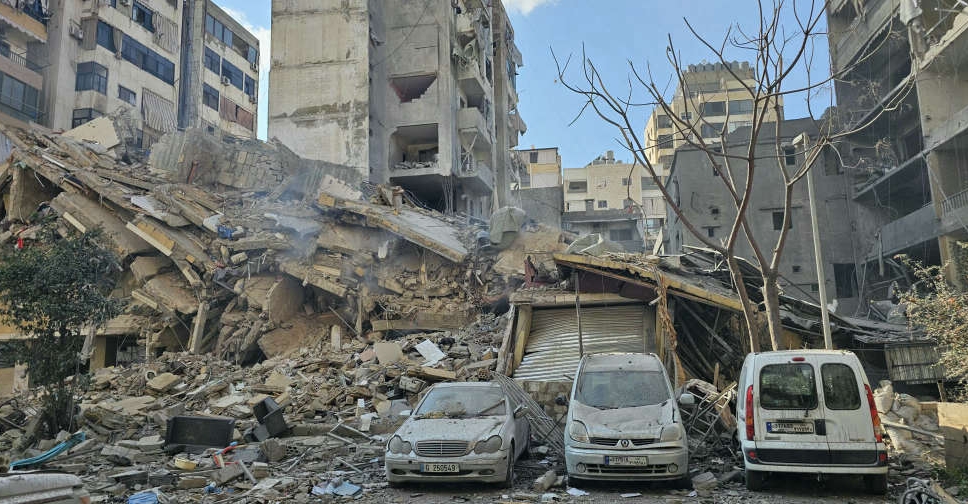 Israel warns Lebanon of 'heavy price' as week's death toll nears 300
 Israeli settler fatally shoots Palestinian in West Bank
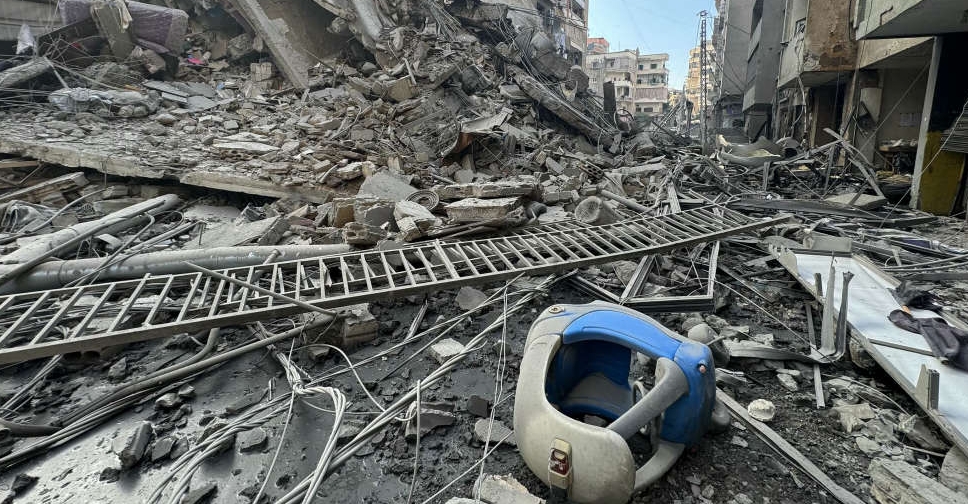 Israel carries out rare airborne raid in Lebanon; 16 killed in strikes
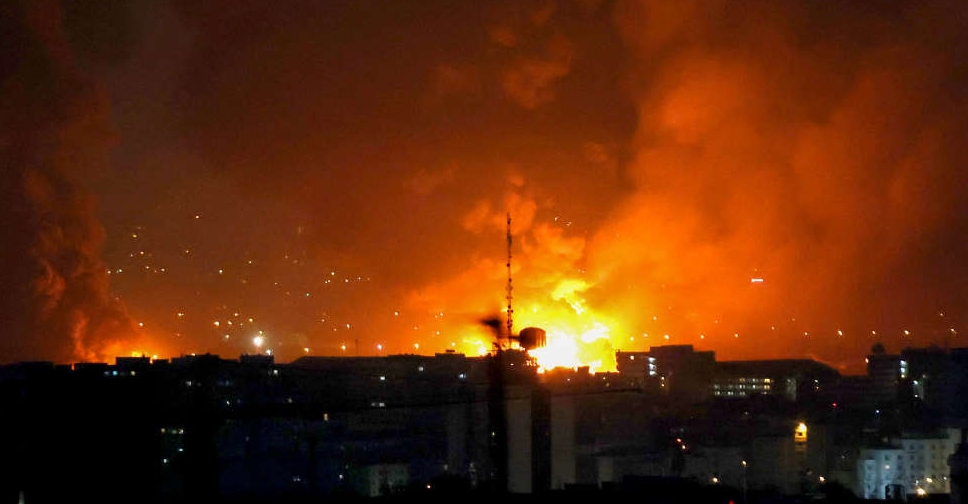 US skips congressional review to approve arms sale to Israel
 Flash floods in Nairobi kill 23, disrupt flights at major airport
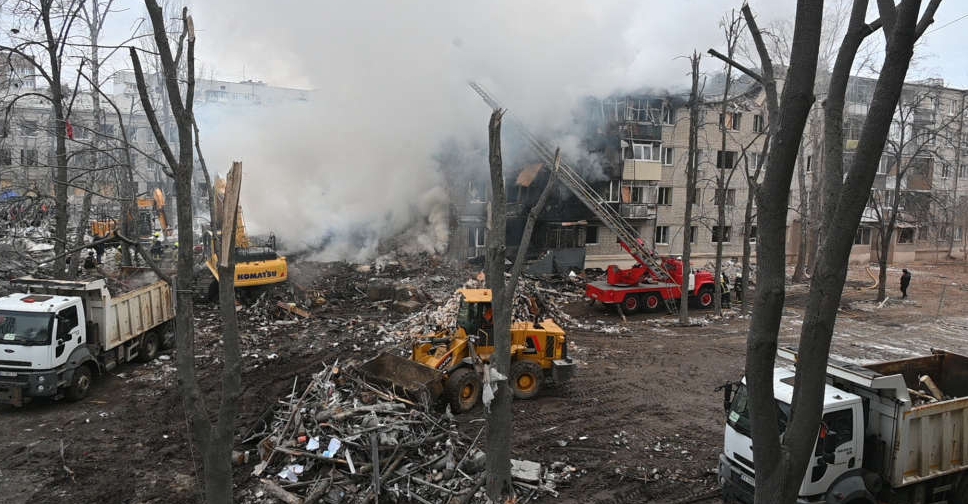 Russia hits Ukraine with drones, missiles, kills at least 10 in Kharkiv
 Partial resumption of air navigation in Qatar
 Kuwait and Qatar thwart fresh wave of Iranian attacks