

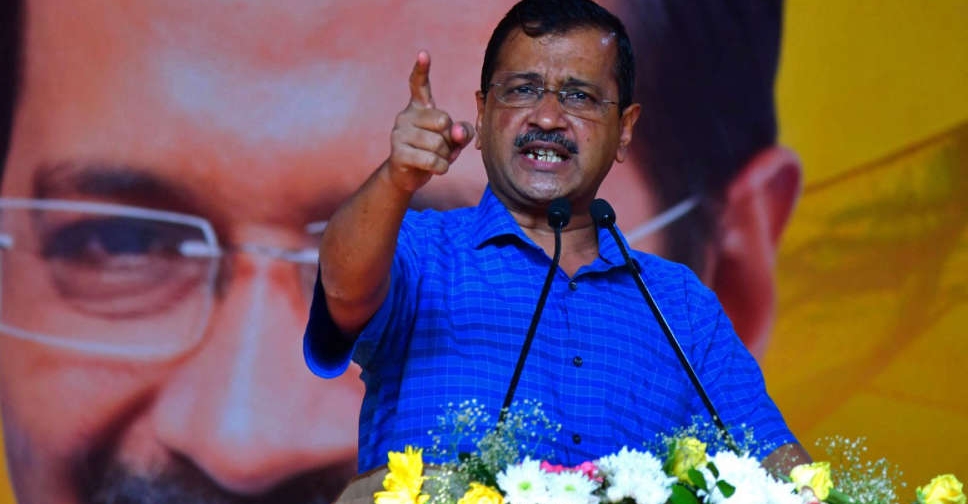
An Indian court extended the custody of opposition leader and Delhi Chief Minister Arvind Kejriwal until April 1 on Thursday in a graft case related to the national capital territory's liquor policy, local media said.
India's financial crime-fighting agency arrested Kejriwal last week in connection with corruption allegations related to the city's liquor policy and he was remanded to its custody until Thursday, weeks before India begins voting in general elections on April 19.
Kejriwal's Aam Aadmi Party (AAP) says the case is fabricated and politically motivated. Prime Minister Narendra Modi's government and his Bharatiya Janata Party deny political interference and say law enforcement agencies are doing their job.
All the main leaders of AAP were already imprisoned in the case before Kejriwal was arrested.
Terming his arrest a "political conspiracy", Kejriwal, 55, told reporters outside court on Thursday that "the public will respond to this". Speaking in court later, he said the Enforcement Directorate (ED), which has arrested him, aims to crush AAP.
ED lawyers told the court that they needed Kejriwal in custody for another seven days as he was "deliberately not cooperating" and needed to be interrogated further.
Kejriwal's arrest has sparked protests in the national capital and the nearby northern state of Punjab, which is also governed by AAP, over the last few days.
Dozens of AAP supporters were detained on Tuesday as they attempted to march to Modi's residence to demand his release. Some AAP workers protesting and distributing leaflets to commuters outside a busy metro station in central Delhi were also detained on Thursday.
"This is the time when we campaign (for elections), our leaders are being put in prison, arrested ... they (federal government) are stopping us from campaigning, (but) nobody can stop us from winning," a protester told news agency ANI.
A joint rally of the 'INDIA' alliance, consisting of more than two dozen political parties including AAP, is planned in the capital on Sunday to protest against the arrest.
The issue has also drawn international attention with the US and Germany calling for a "fair" and "impartial" trial in the case, causing New Delhi to tell Washington and Berlin that India's legal processes are based on an independent judiciary and that they should stay away from its internal affairs.

 Israel carries out rare airborne raid in Lebanon; 16 killed in strikes
 Israeli settler fatally shoots Palestinian in West Bank
 US skips congressional review to approve arms sale to Israel
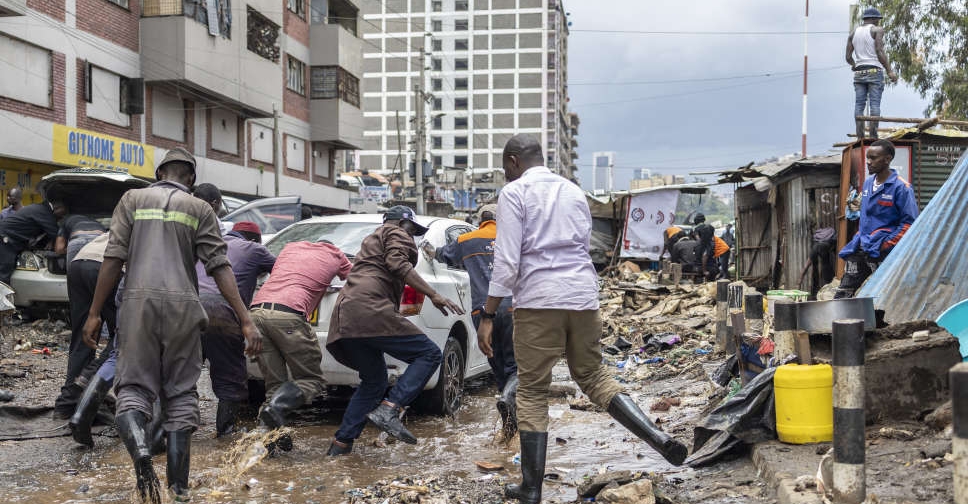 Flash floods in Nairobi kill 23, disrupt flights at major airport
 Russia hits Ukraine with drones, missiles, kills at least 10 in Kharkiv
 Partial resumption of air navigation in Qatar
 Kuwait and Qatar thwart fresh wave of Iranian attacks
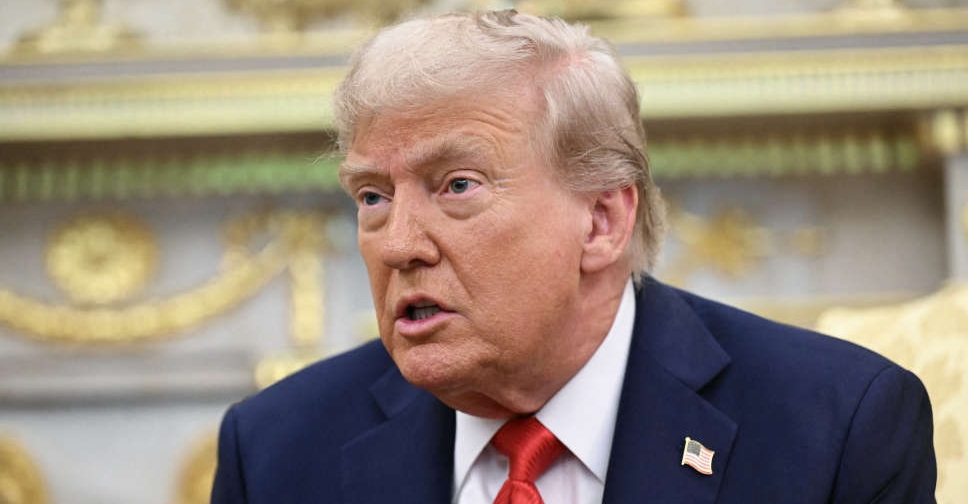 After a week of war, Trump demands Iran's 'unconditional surrender'