COVID-19 no longer represents a global health emergency, the World Health Organization said on Friday.
It's a major step towards the end of the pandemic that has killed more than 6.9 million people, disrupted the global economy and ravaged communities
The WHO's emergency committee first declared that COVID represented its highest level of alert more than three years ago, on January 30, 2020.
The status helps focus international attention on a health threat, as well as bolstering collaboration on vaccines and treatments.
Lifting it is a sign of the progress the world has made in these areas, but COVID-19 is here to stay, the WHO has said, even if it no longer represents an emergency.
The death rate has slowed from a peak of more than 100,000 people per week in January 2021 to just over 3,500 in the week to April 24, according to WHO data.
A fire in Congo's rebel-controlled city of Bukavu killed at least 24 children as it destroyed two schools and burned down around 300 wooden houses, an official from the rebel administration told Reuters on Thursday.
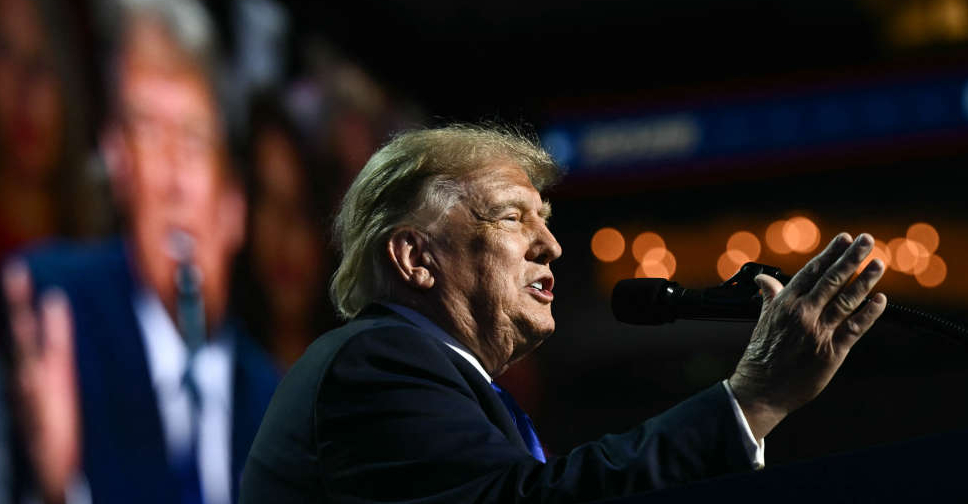
President Donald Trump capped the first day of his Republican Party's first-ever midterm convention by proposing to pay every US adult a $5,000 "Trump dividend" if his party wins November's congressional elections.
A large-scale search and rescue operation was underway off the western Philippine island of Palawan on Thursday after a passenger ferry caught fire, killing five people and leaving dozens of passengers missing.
President Donald Trump said he expected the war with Iran to end after the November US midterm elections after the two sides launched their biggest wave of attacks on shipping since the start of the six-month-old war.
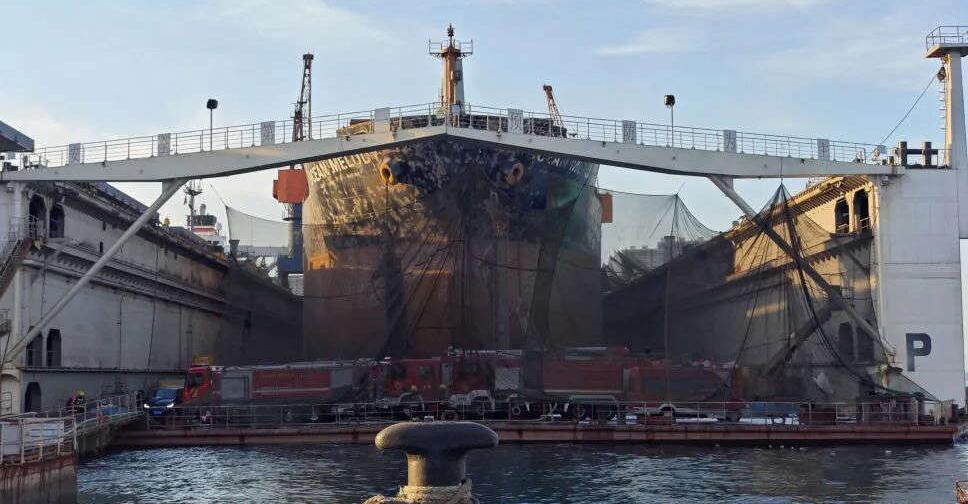
At least 20 people have been killed in a fire aboard a foreign cargo vessel undergoing repairs at a state-owned shipyard in the eastern Chinese city of Qingdao on Thursday, state media reported, with five others still missing.
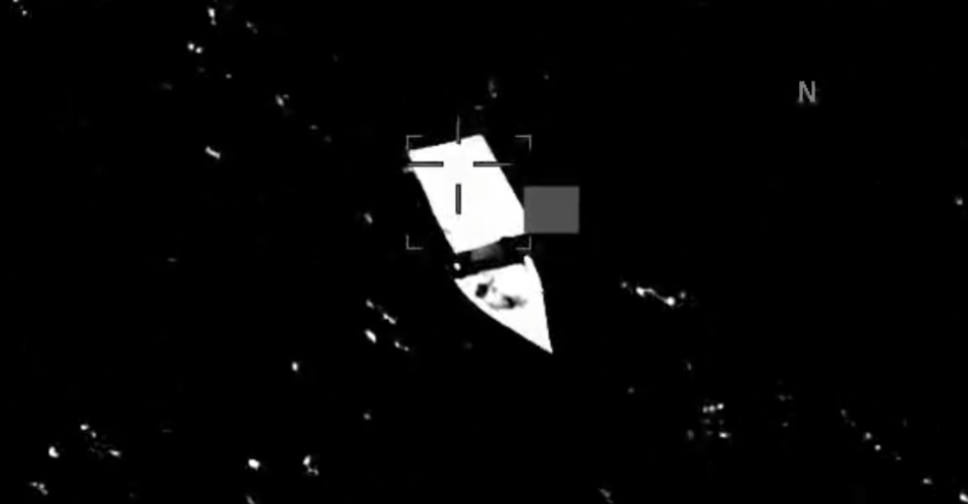
The US military said on Wednesday three people have been killed in a strike on a vessel in the Caribbean Sea, the latest in a series of attacks that Washington says target "narco-terrorists" but human rights groups condemn as extrajudicial killings.
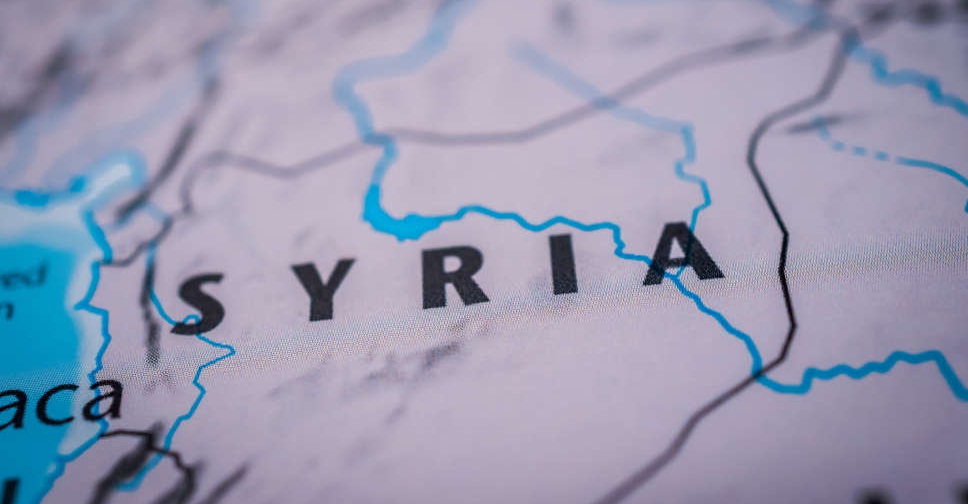
At least 14 people were killed and 11 wounded on Wednesday in an explosion at a temporary site used to store weapons and remnants of war near the Syrian city of Sarmada in Idlib province, state television reported.
The United States has destroyed five Iranian oil carriers on Tuesday after the Islamic Revolutionary Guard Corps (IRGC) targeted its navy warship with ballistic missiles "twice over the past two days".
Welcome to Pinoy Bulletin, your go-to source for staying informed about important announcements, exciting group activities, community events, and job opportunities!




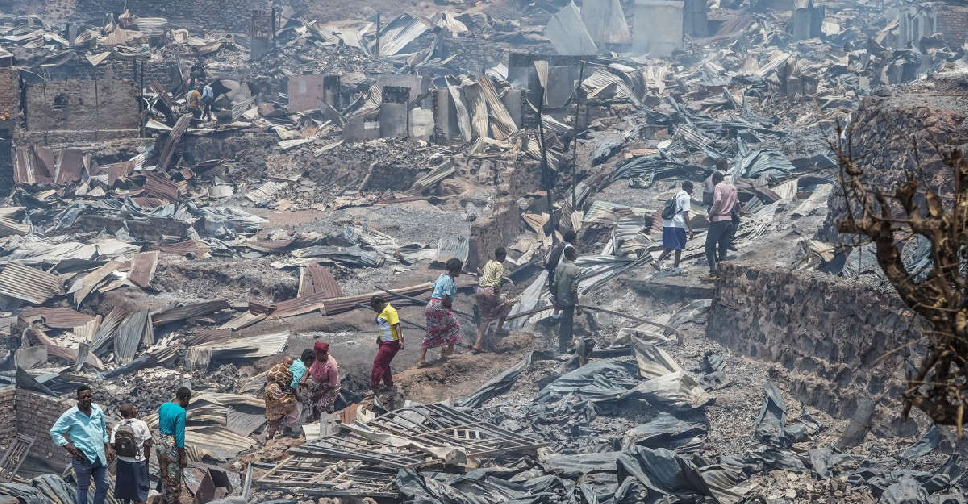 Fire in rebel-held east Congo kills 24 schoolchildren
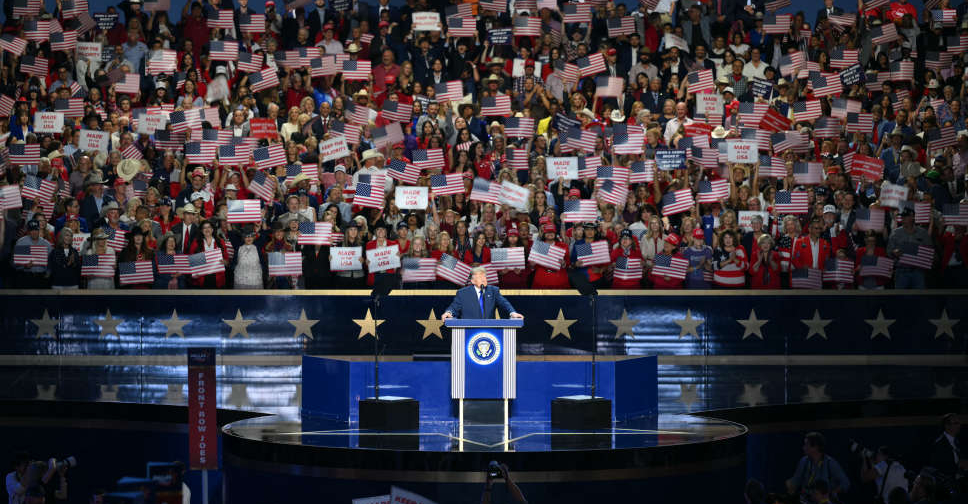 Trump touts $5,000 payout if Republicans win as Vance waits in wings
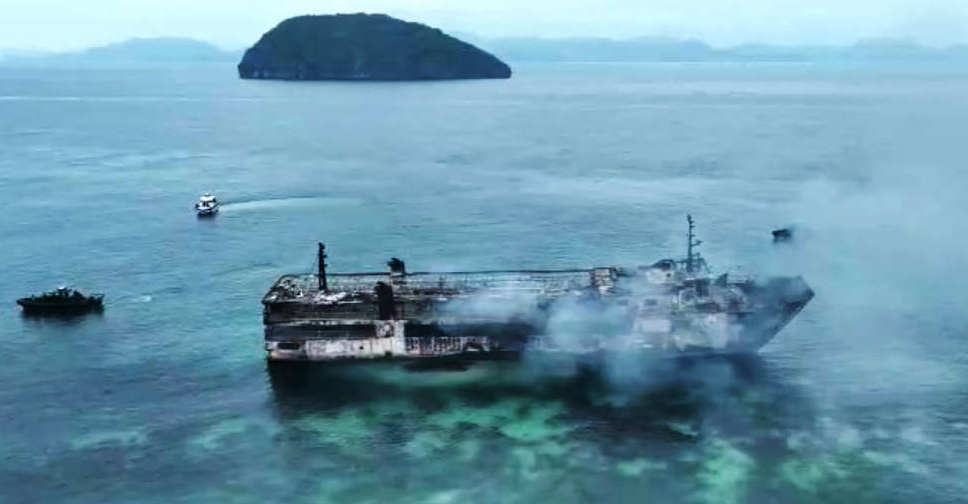 Search expands after Philippine ferry fire kills five and leaves dozens missing
 Trump says Iran war to end after US midterm elections
 At least 20 killed in cargo vessel fire at China shipyard, state media reports
 US military says it struck vessel in Caribbean, killing 3
 At least 14 killed in explosion at weapons depot in Syria
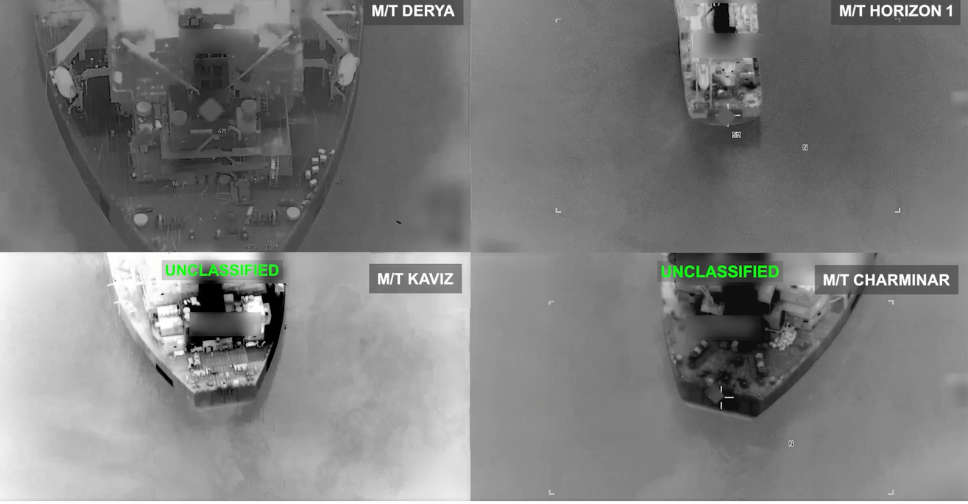 US hits five Iranian oil tankers after attack on Navy ships