

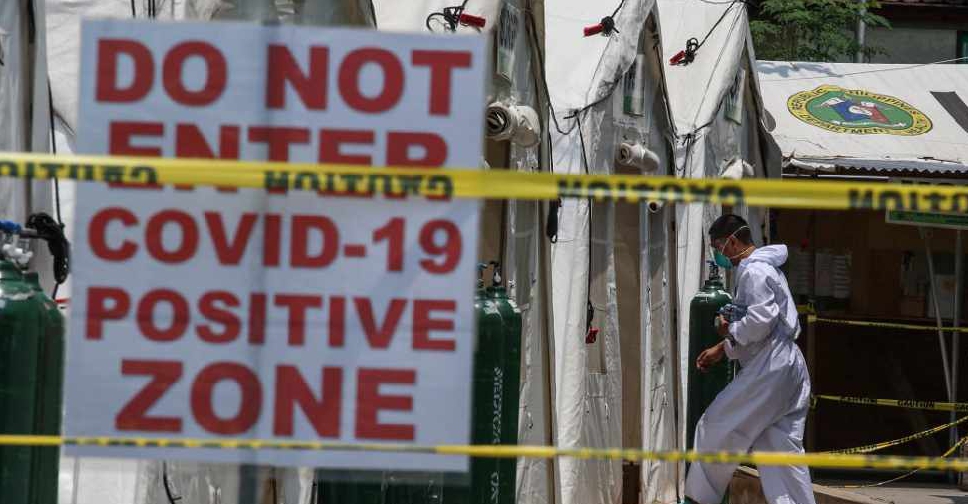
President Rodrigo Duterte has prolonged restrictions on movement and businesses in the Philippine capital and nearby provinces until mid-July.
He's also retained stricter COVID-19 curbs in central and southern areas.
Infections in the capital region, home to at least 13 million people, have dropped since peaking in April, but some provinces are battling spikes as the country scrambles to distribute and administer vaccines.
Entertainment venues, amusement parks, and contacts sports are prohibited in the capital region and nearby provinces, while restaurants, gyms and indoor tourist attractions are allowed to operate at up to 40 per cent capacity.
But 21 cities and provinces outside the capital remain under tighter measures to contain the virus.
A ban was extended on inbound travel from Oman, the United Arab Emirates and most countries in South Asia, to ward off highly contagious COVID-19 variants.
Local officials have two days to appeal to the president over the restrictions, presidential spokesperson Harry Roque said in a statement.
The Philippines has fully vaccinated only 2.5 million people, or just 3.6 per cent of the 70 million targeted for immunisation this year.
It has received 17.5 million vaccine doses, mostly those of Sinovac, among 40 to 55 million doses of various brands on order for June to September.
In a weekly national address, Duterte told local officials to prepare cold storage facilities for the vaccines.
With more than 1.4 million cases and 24,456 deaths, the Philippines has among the most coronavirus deaths and infections in Asia.


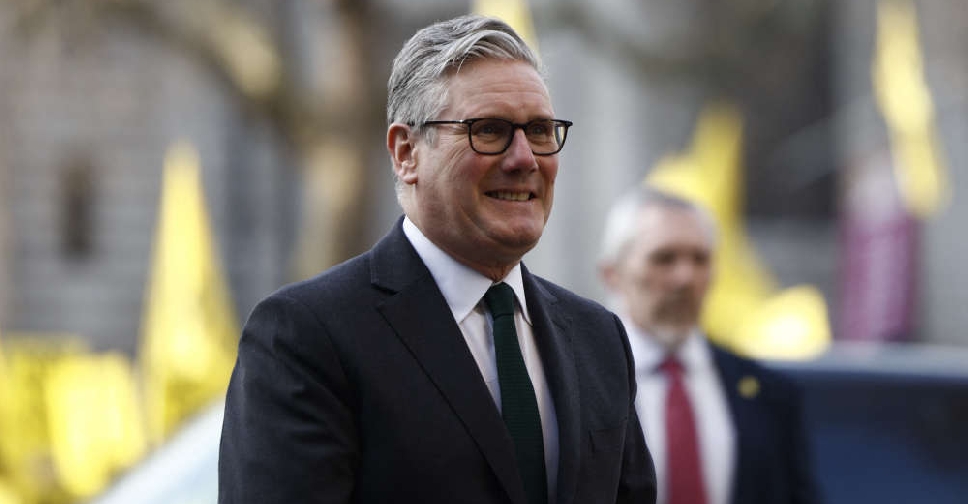 Britain working with allies to support shipping through Strait of Hormuz
 Five Iranian women's soccer players granted humanitarian visas in Australia
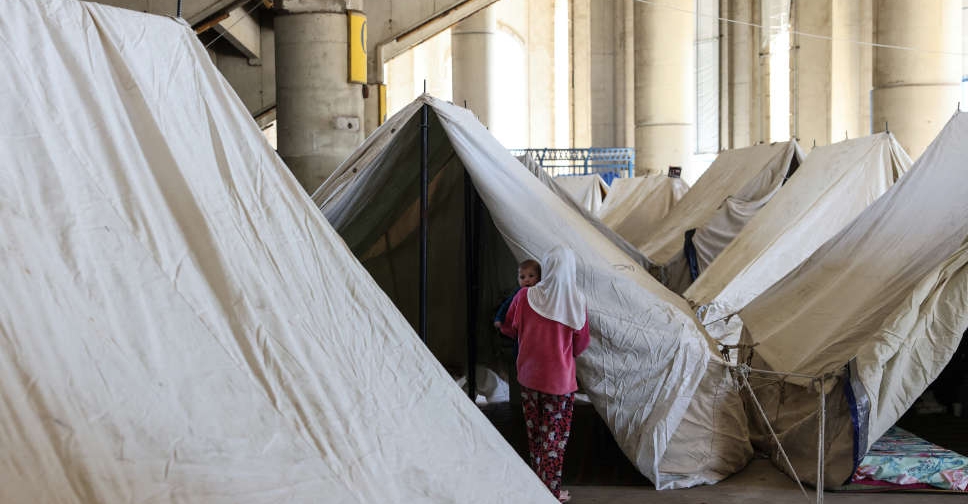 Almost 700,000 displaced after Israeli strikes on Lebanon, UN agencies say
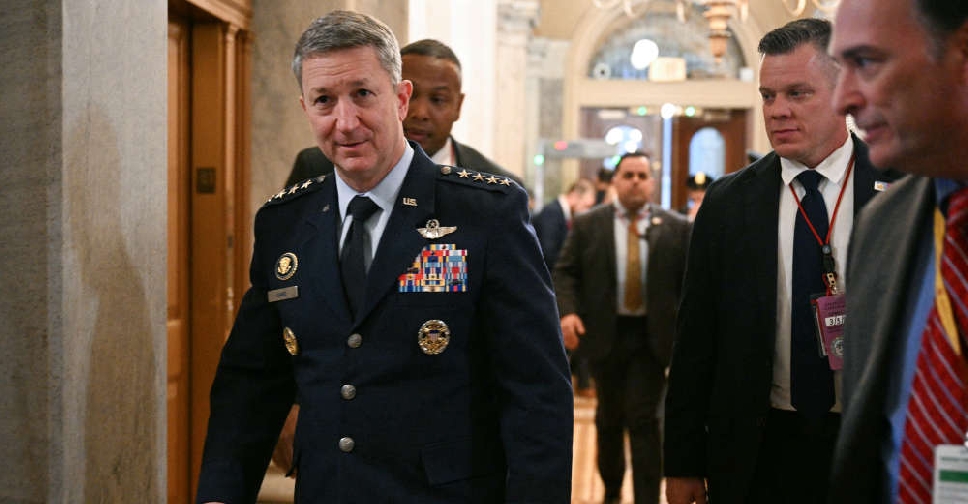 Iran fighting back but not stronger than U.S. thought, top U.S. general says
 One dead, several injured in Iranian attack on Manama building
 Russian drones injure 20 in Ukraine's Kharkiv, Dnipro
 Trump says war could be over soon, as Iran rallies behind new leader
 North Korea and China to resume passenger train service after six-year gap