

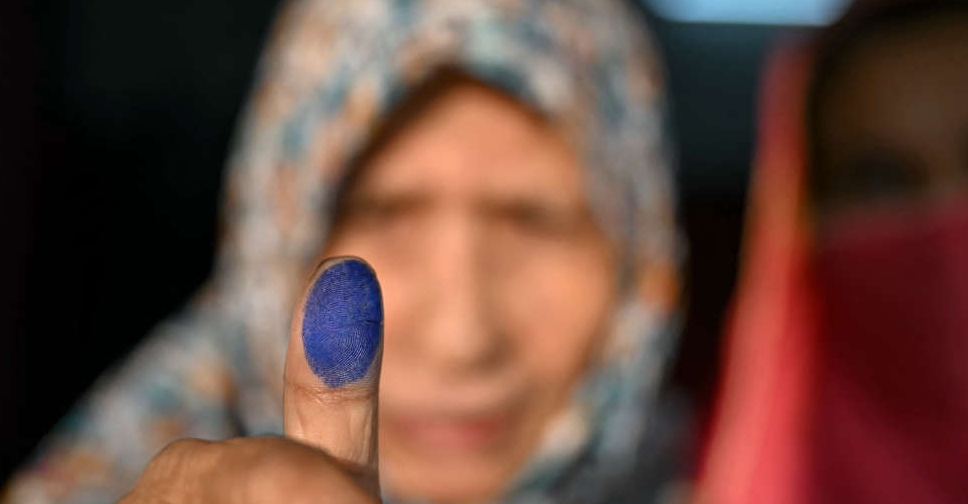
Bangladeshis lined up outside polling booths on Thursday as voting began in a pivotal election for the country after the 2024 ouster of long‑time premier Sheikh Hasina in a Gen Z‑driven uprising.
Analysts say a decisive result is crucial for steady governance in the nation of 175 million, as the deadly anti-Hasina protests triggered months of unrest and disrupted key industries, including the huge garments sector, the world’s second-largest exporter.
It is the world's first election after an uprising led by under-30s, or Gen Z, to be followed by Nepal next month.
The contest pits two coalitions led by former allies, the Bangladesh Nationalist Party (BNP) and the Jamaat‑e‑Islami, with opinion polls giving an edge to the BNP.
The two prime ministerial candidates are the BNP's Tarique Rahman and Jamaat chief Shafiqur Rahman.
In Dhaka, the capital, people queued up outside voting booths before polls opened at 7:30 am local time (0130 GMT), including eager participants like Mohammed Jobair Hossain, 39, who said he last voted in 2008. "I am feeling excited because we are voting in a free manner after 17 years," Hossain said as he waited in line. "Our votes will matter and have meaning."
Hasina’s Awami League is banned as she remains in self‑imposed exile in long-term ally India.
Elections were held during Hasina's tenure but they were marred by opposition boycotts and intimidation, critics have said.
This time more than 2,000 candidates, including many independents, are vying for 300 seats in the Jatiya Sangsad, or House of the Nation. Voting in one constituency has been postponed due to the death of a candidate. At least 50 parties are contesting in total, a national record.
"This election is not just another routine vote," Nobel laureate Muhammad Yunus, head of an interim government installed after Hasina’s ouster, said this week. "The public awakening we witnessed against long‑standing anger, inequality, deprivation and injustice finds its constitutional expression in this election."
In parallel, there will be a referendum on a set of constitutional reforms, including establishing a neutral interim government for election periods, restructuring parliament into a bicameral legislature, increasing women’s representation, strengthening judicial independence and imposing a two-term limit on the prime minister.
Despite the crowded field and expectations of a close race, the campaign period remained largely peaceful, barring a few incidents.
"The crucial test for Bangladesh now will be to ensure the election is conducted fairly and impartially, and for all parties to then accept the result," said Thomas Kean, a senior consultant with the International Crisis Group. "If that happens, it will be the strongest evidence yet that Bangladesh has indeed embarked on a period of democratic renewal."
Around 958,000 personnel from the police, army and paramiltary forces were deployed throughout the country on election day, the Election Commission said. Police and army personnel were stationed outside most polling booths.
Polling closes at 4:30 pm (1030 GMT). Counting will begin soon after, with early trends expected around midnight and results are likely to be clear by Friday morning, Election Commission officials said.
Nearly 128 million people are registered to vote, 49 per cent of them women. But only 83 female candidates are contesting. Nearly half of the total electorate is aged between 18-35, with many of them first-time voters.

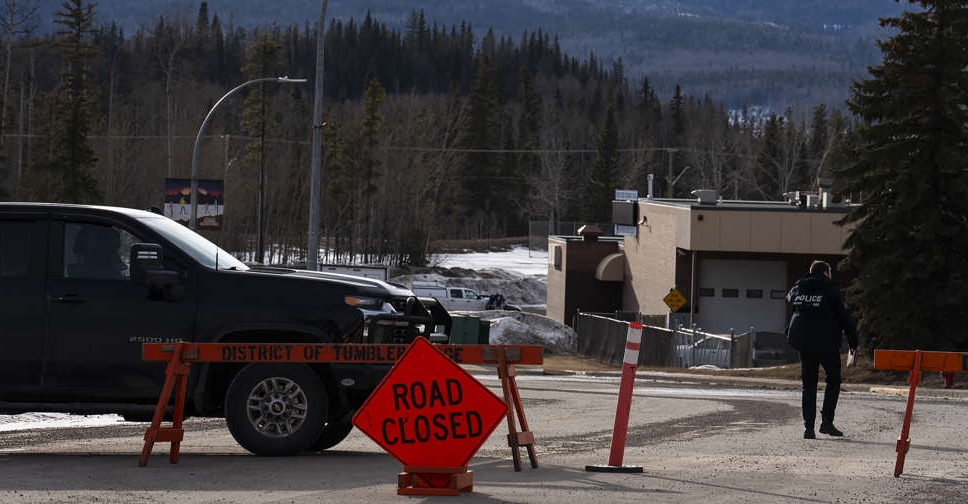 Canadian police identify suspect in mass school shooting
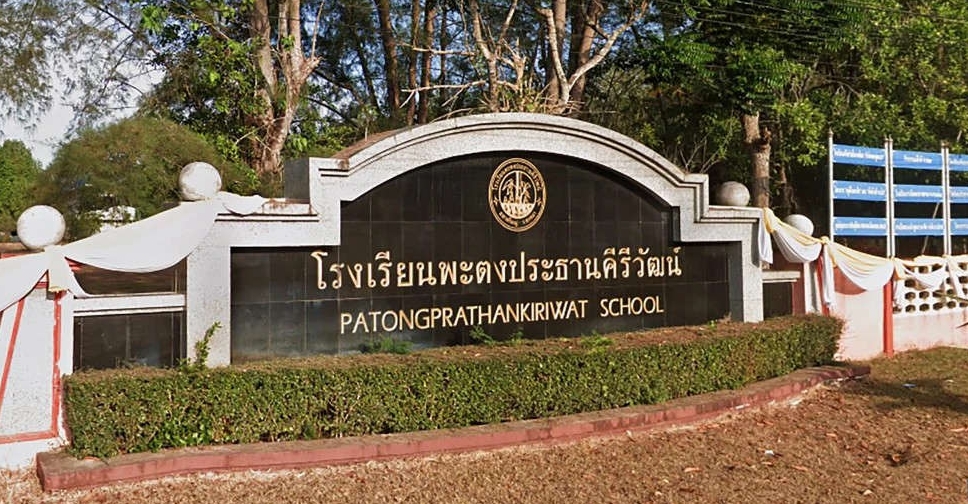 Teacher dies after Thailand school shooting
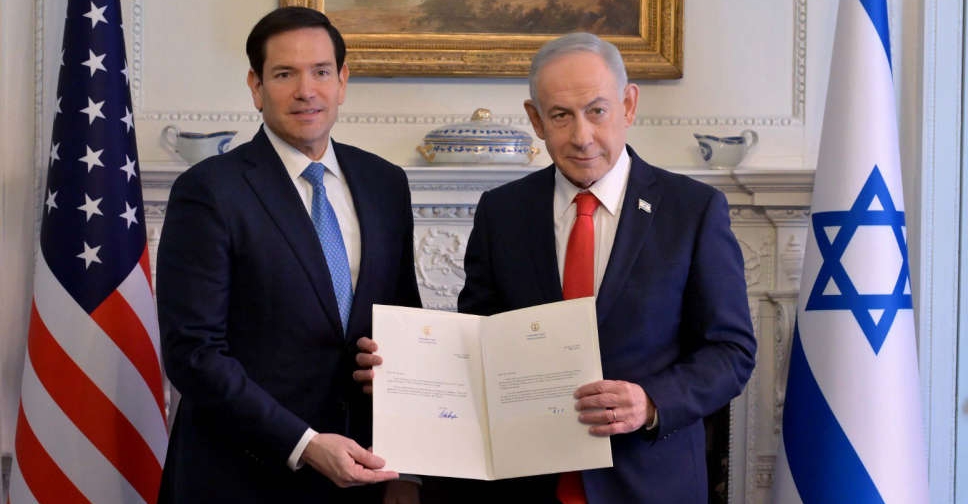 Israel to join Trump's 'Board of Peace', Netanyahu says
 US lets flights resume at El Paso airport after brief security halt
 Ten dead after shooter opens fire at high school in Canada
 Tropical cyclone Gezani slams into Madagascar, killing nine
 Russian strike kills father and three children near Ukraine's Kharkiv
 Cambodia says it has closed almost 200 scam centres in fraud crackdown