

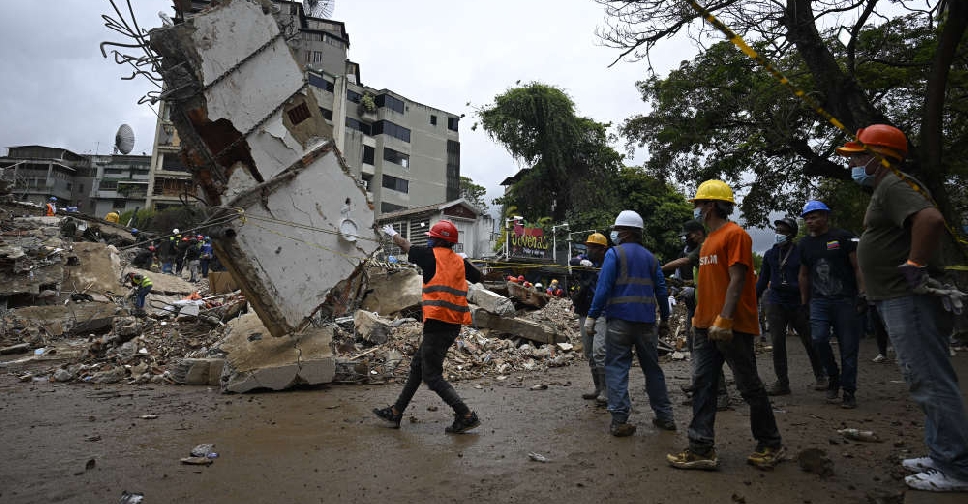
Some areas in Venezuela devastated by twin earthquakes last Wednesday have yet to receive government aid to help with rescue and recovery efforts, residents in some hard-hit towns said on Monday.
The death toll has risen to more than 1,700 people, top lawmaker Jorge Rodriguez said on Monday.
More than 5,000 were wounded in the disaster, and more than 15,000 left homeless, Rodriguez added in an address on state television.
In El Junquito, a small mountainous region about 33 km (20 miles) west of Caracas where Venezuelans often vacation on weekends, residents say they have seen few public officials, while farmers and other residents have been providing basic supplies to the community.
"We are waiting for answers, for debris to be cleaned up, for inspections, for people who have been really affected to be helped," said Keily Ibarra, a 33-year-old manicurist leading citizen complaints to authorities. She called on the government to do "what needs to be done."
El Junquito's commercial center was largely destroyed by the quakes, with collapsed buildings visible during a Reuters visit. Several residents with nowhere else to go have set up tents in an open field, despite the risk posed by damaged and collapsed buildings nearby.
"We don't know where we are going to be located or how long we are going to be here," said Tony Abreu, the owner of a local sweet shop who has been living in a tent since the quakes because his home and business are not safe to return to.
There have been unofficial reports of deaths after some houses and buildings collapsed in surrounding neighborhoods as well.
While several international aid and rescue groups have mobilized to Venezuela, most of the help has been focused in La Guaira, the hardest-hit state of a country long mired in a deep political and economic crisis.
The international community has rallied to help Venezuela deal with the disaster. The South American country has received support from 24 nations, which have sent over 500 metric tons of supplies, more than 2,700 rescue and support personnel and about 86 canine teams, according to Venezuelan authorities.
Wednesday's twin earthquakes have left close to 1,500 confirmed dead and hundreds of collapsed buildings.
SEARCH FOR SURVIVORS AMID AFTERSHOCKS
Residents of Caracas woke up on Monday to an aftershock that rocked their houses, while rescue teams continued their fifth day of round-the-clock work.
The 4.6-magnitude aftershock hit north of Caracas early on Monday at a depth of 10 km (6 miles), according to the U.S. Geological Survey.
No damage was immediately reported from the aftershock, the president of the National Assembly, Jorge Rodriguez, said on social media.
There have been hundreds of aftershocks since last Wednesday, rattling national and international teams conducting rescue efforts, each rescue sparking hope as the window to find survivors dwindles.
Salvadoran President Nayib Bukele noted the rescue of 21-year-old Aaron Levi in a collapsed building in the disaster-stricken state of La Guaira.
"This rescue was made possible thanks to the coordinated efforts of rescue teams from Venezuela, Mexico, and El Salvador," he said on X.
Venezuela's interim president, Delcy Rodriguez, also commented on Levi's story, explaining that he was pulled out after 106 hours trapped under the rubble through a rescue operation that lasted 43 hours.
A senior U.S. administration official said three U.S. citizens are known to have died and 12 are missing since the earthquakes, and that a State Department task force has fielded more than 300 inquiries from Americans seeking advice. A second official said they estimate there are approximately 5,000 U.S. citizens in Venezuela.

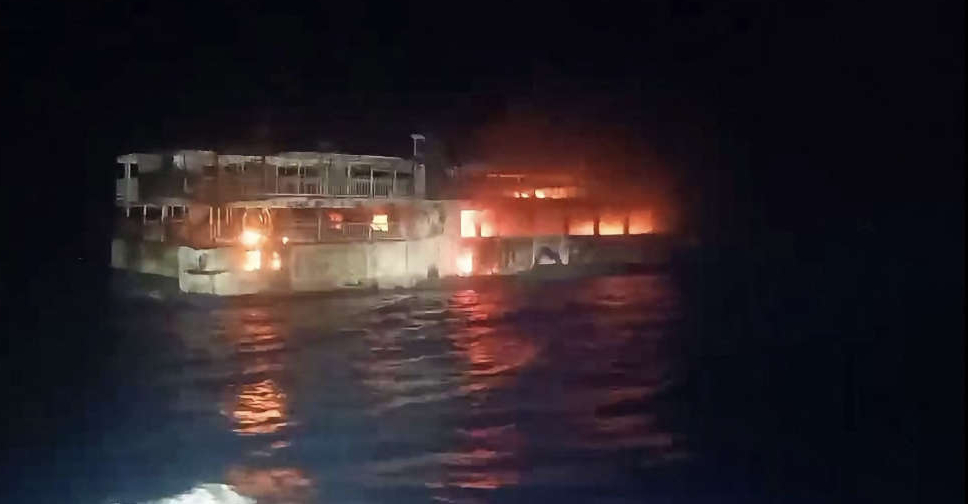 5 dead, more than 80 missing after Philippine ferry fire
 At least 14 killed in explosion at weapons depot in Syria
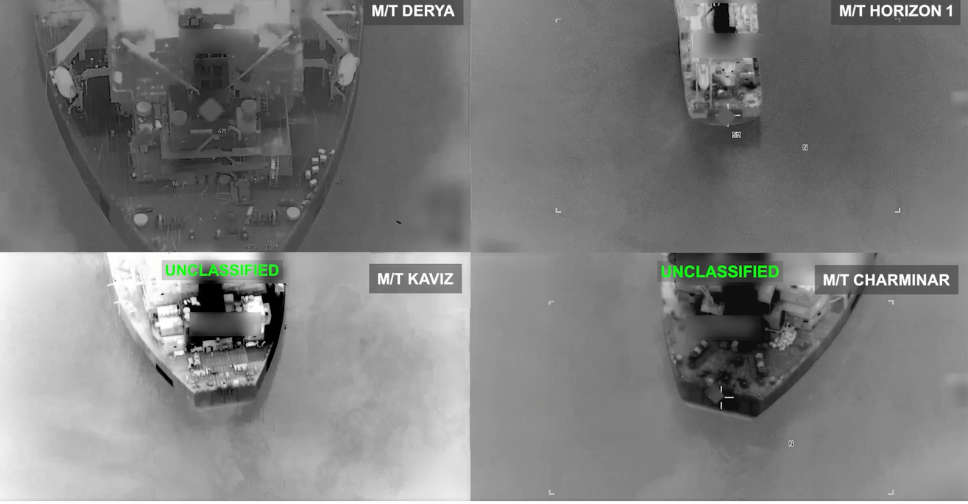 US hits five Iranian oil tankers after attack on Navy ships
 UK gives air traffic provider a week to probe outage that halted flights
 Serbia's President Vucic dissolves parliament, calls snap elections
 With large crowds attending, Norway lays King Harald to rest
 Jordan intercepts 18 Iranian ballistic missiles
 Air traffic control issue disrupts flights at major UK airports