

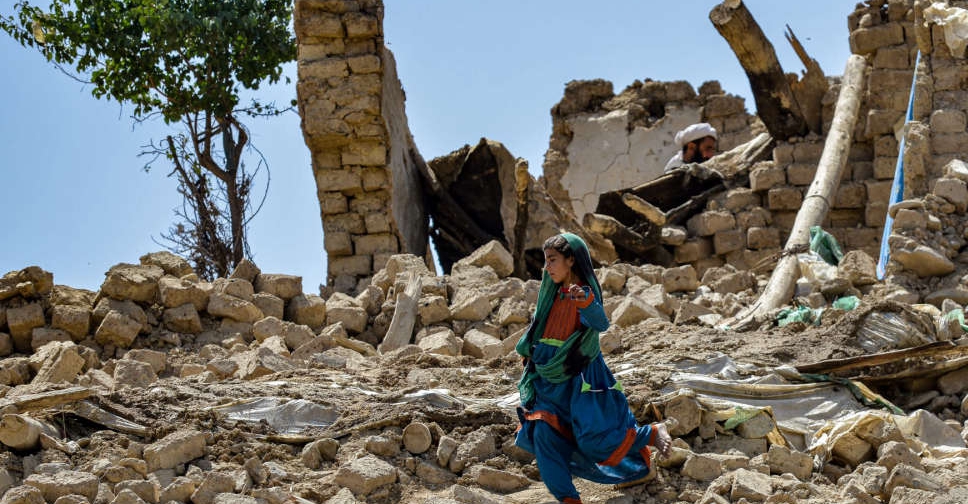
Afghanistan lacks the medical supplies to treat those injured in an earthquake that killed more than 1,000 people this week, a senior official said, as an aftershock on Friday killed five more.
Authorities earlier ended a search in remote southeastern mountains for survivors of the 6.1 magnitude earthquake that struck early on Wednesday near the Pakistani border, about 160 km southeast of Kabul, the capital.
Friday's aftershock, in almost exactly the same place, was of magnitude 4.3, the US Geological Survey said. A health ministry official said it killed five people, but there was no immediate word on the extent of new damage and injuries.
A total of 1,036 people are confirmed to have been killed, the United Nations said on Friday.
About 2,000 people were injured and 10,000 homes partially or entirely destroyed in Wednesday's earthquake, Mohammad Nassim Haqqani, a spokesperson for Afghanistan's disaster ministry, told Reuters.
"The health ministry does not have enough drugs," he said. "We need medical aid and other necessities because it's a big disaster."
The epicentre of the earthquake was in a region of arid mountains dotted with small settlements that was often the scene of clashes during Afghanistan's decades of war.
Poor communications and only very basic roads have hampered relief efforts.
On Thursday, Japan, South Korea, Taiwan and the United Arab Emirates all said they planned to send aid. Supplies from Pakistan have already crossed the border.
India, which has strained ties with the Taliban, said it had sent 27 tonnes of supplies on two flights to be handed to international aid agencies.
The United Nations refugee agency, UNHCR, has rushed tonnes of supplies and expert staff to support the relief effort, it said.
"Four decades of conflict and instability in Afghanistan have left millions of people on the brink of hunger and starvation," its spokesperson, Shabia Mantoo, said on Friday.
Another UN body, the World Health Organisation, has also warned that the disaster could add to the risk of cholera developing across Afghanistan.
About 500,000 people were already experiencing diarrheal disease in May, one of the main symptoms of cholera, said Dr. Dapeng Luo, its representative in Afghanistan.
Speaking before Friday's aftershock, disaster official Haqqani said the search for survivors had been called off some 48 hours after the earthquake.
"The search operation has finished," he said, but did not elaborate on the reason. Elsewhere, people have been pulled alive from the rubble of earthquakes after considerably longer periods.


 Omani court sentences 2 foreigners to one month in prison for disturbing turtles
 US Coast Guard suspends search for people on crashed medical aircraft
 Brazil's Flavio Bolsonaro beats polls in presidential vote, faces Lula in runoff
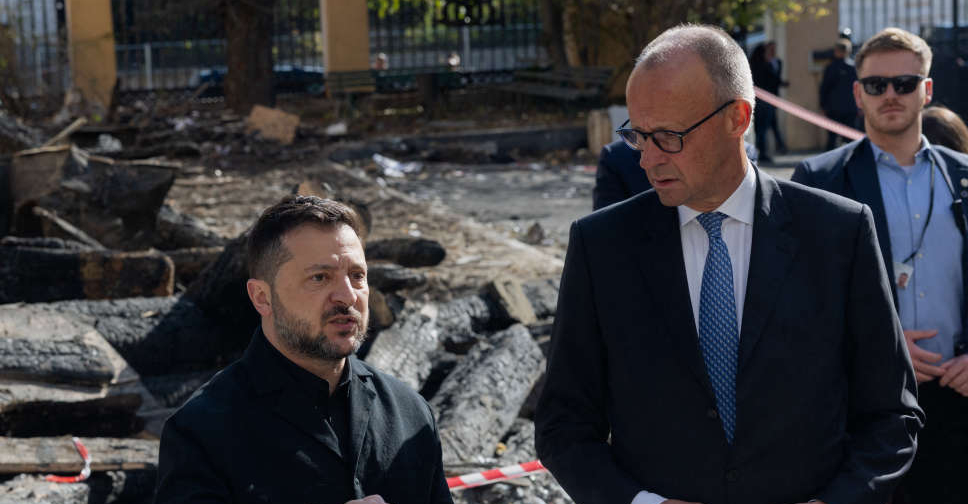 Merz unveils fresh military aid in Kyiv, says Germany won't be intimidated
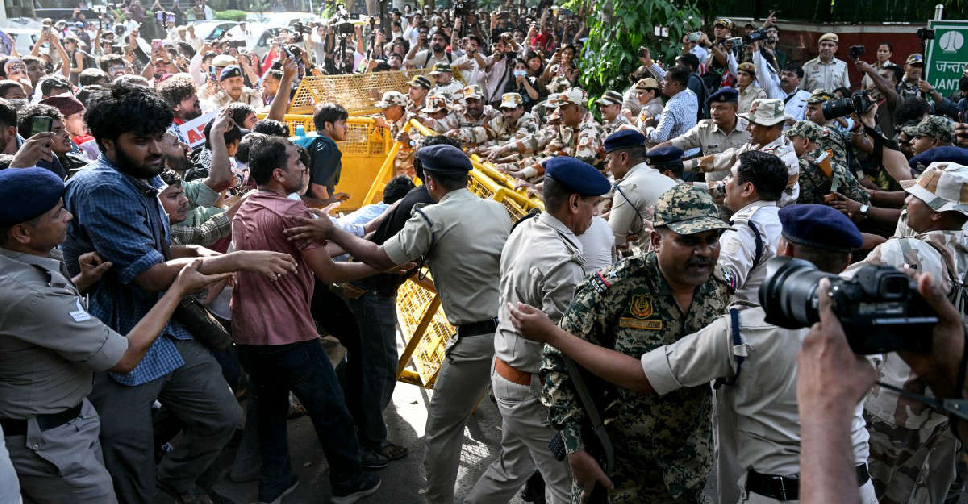 Protests demanding Indian election chief resigns escalate
 US Coast Guard finds debris from missing medical aircraft off Nantucket
 Trump names intelligence chief as AI czar
 Trump shares Republican senator's phone number in feud over time switch