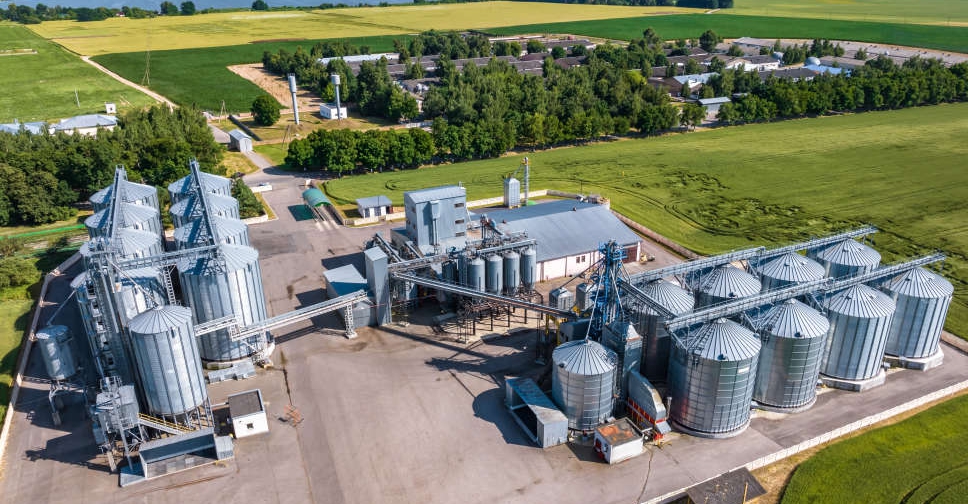
The United Nations launched a plan at COP28 on Sunday that looks to transform the world’s agrifood systems from a net emitter to a carbon sink by 2050.
The UN Food and Agriculture Organisation (FAO) identified 10 priority areas – such as livestock, soil and water, crops, diets and fisheries – where following the roadmap can help push the world closer to achieving "Zero Hunger", the second of the 17 Sustainable Development Goals (SDGs).
The aim is to transform agrifood systems – which encompass how food is farmed or raised, how it is transported, and how and where it's disposed of – to capture 1.5 gigatons of greenhouse gas emissions annually by 2050.
David Laborde, Director of the Agrifood Economics Division at FAO, who said that the roadmap is designed to avoid “doomism” and provides avenues to act today in a way that can benefit all now and in the future.
“We need policymakers to act. We need the civil society to be mobilised and the private sector to understand that making better choices today means making investments more sustainable and more profitable for tomorrow.”
Laborde stressed that the end goal is to achieve “a system transformation where everyone has to play a role”.
#COP28: UN launches ground-breaking plan to transform world’s agrifood systems#WamNews https://t.co/krL1Fp2NoW pic.twitter.com/DAIdcckrOH
— WAM English (@WAMNEWS_ENG) December 10, 2023


 H.H. Sheikh Mohammed congratulates Dubai World Cup winner
 Sheikh Abdullah discusses impact of Iranian attacks with global partners
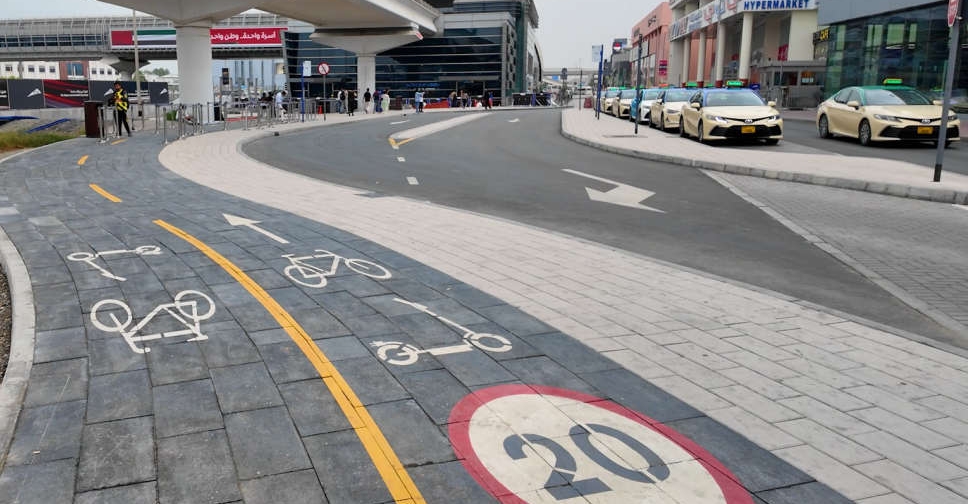 Dubai opens 13 new cycling tracks under 162km RTA expansion plan
 UAE condemns targeting of Kurdistan President's residence
 UAE responds to more missile, drone threats on Sunday
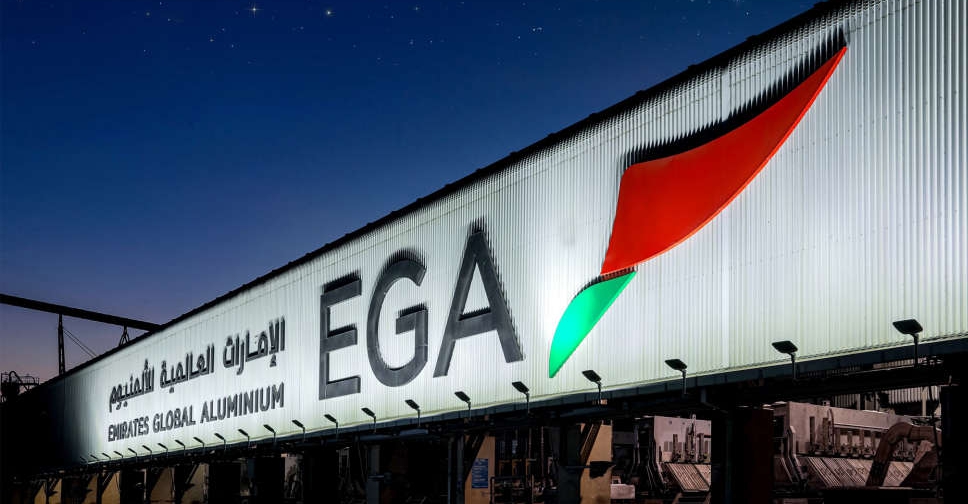 Emirates Global Aluminium reports significant damage after attack
 UAE air defences engage 20 ballistic missiles, 37 UAVs
 Gargash urges political approach to regional security