

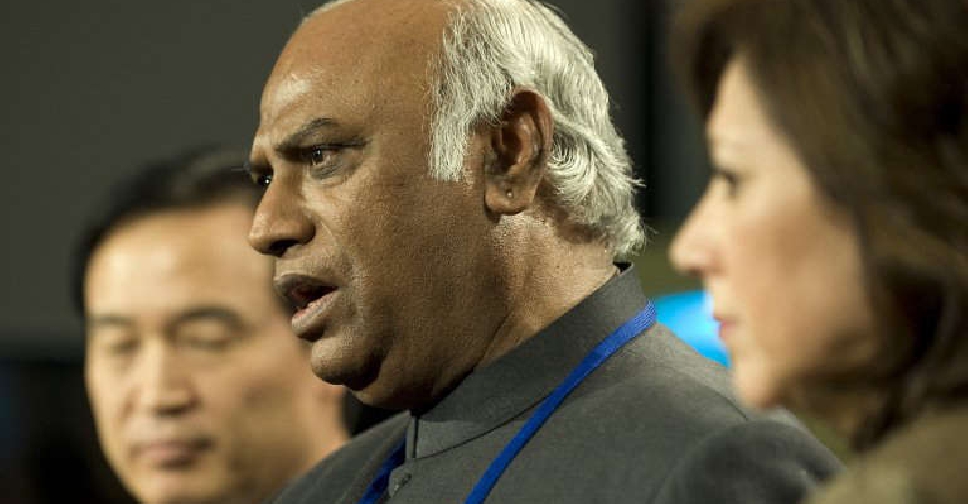
Members of India's opposition Congress party voted on Monday to elect its first head in nearly 25 years from outside the Nehru-Gandhi dynasty of leaders, with a veteran loyal to the family expected to win.
Results are due on Wednesday in the battered party's bid to revamp itself after losing the last two general elections to Prime Minister Narendra Modi's Hindu nationalist party, despite the leadership of Rahul Gandhi and his mother Sonia.
With the next general election due by 2024, Modi retains a big edge over the party, which dominated politics for decades after leading India to independence from Britain in 1947, but has recently struggled to recoup its fortunes.
Party veteran Mallikarjun Kharge, 80, has the support of many members, and his 66-year-old rival and former UN diplomat, Shashi Tharoor, has already complained about big leaders openly supporting Kharge.
"We are strongly supporting Kharge and expect he will get 80 per cent to 90 per cent of the votes of party delegates," Ajay Kumar Lallu, a Congress delegate from the most populous state of Uttar Pradesh, told Reuters.
"Kharge represents the ideology of the party, has the support of the senior leadership, and is likely to work by taking along party workers," Lallu added.
He was speaking as Congress' Bharat Jodo Yatra, or march to unite India, arrived in the district of Ballari in the southern state of Karnataka.
Kharge has said he was seeking the "support of the delegates to strengthen Congress for a better India".
Uttar Pradesh accounts for about 1,200 of the nearly 9,000 Congress delegates, most of them senior party members, who will vote for its president, a position held by Sonia Gandhi on an interim basis since her son Rahul resigned in July 2019.
On Twitter, Tharoor said he had spoken with Kharge to "reaffirm my respect for him and our shared devotion to the success" of the party.
"Some people play safe in order not to lose," he said. "But if you just play safe, you will definitely lose."
Congress has mostly been led by a member of the Gandhi family, choosing presidents unanimously for terms of five years, except in the years 1937, 1950, 1997 and 2000, when elections were held since there was more than one candidate.


 Kuwait foils terror plot targeting state leaders
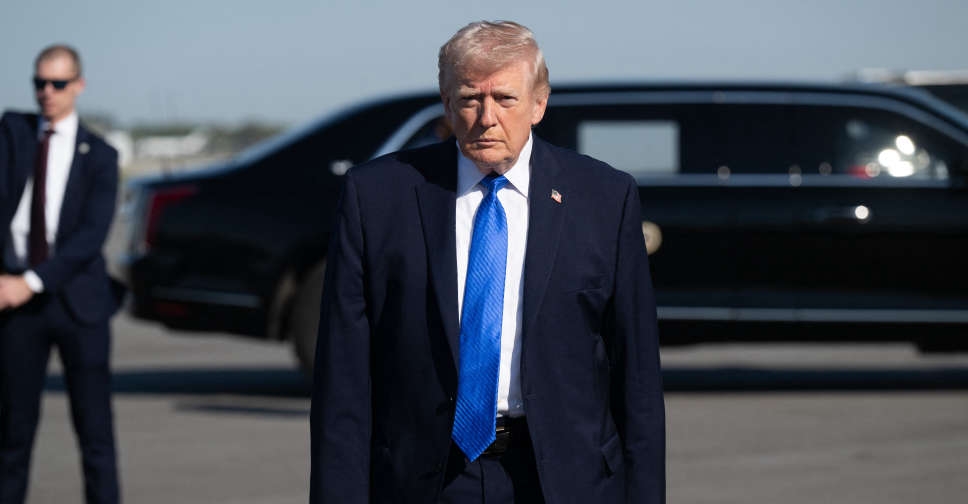 Iran rejects Trump's talk of negotiation as Israel and Iran launch airstrikes
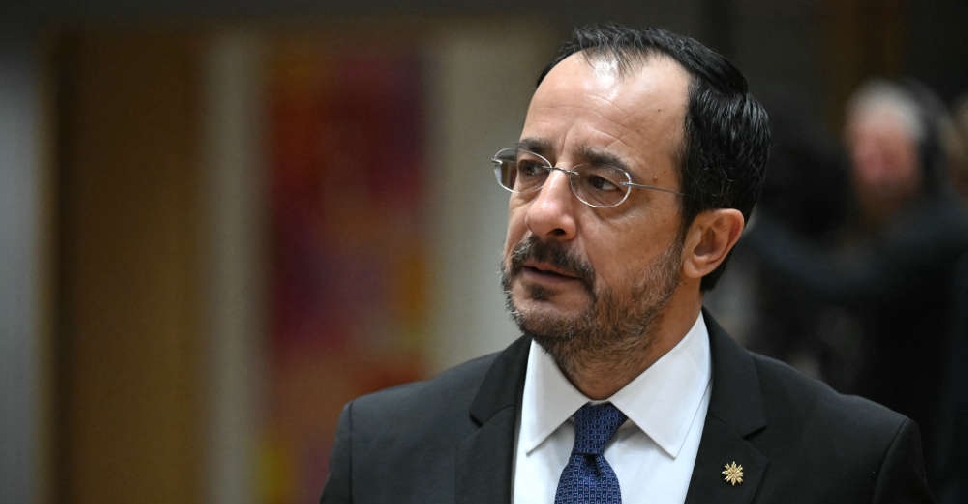 Cyprus has opened discussion with UK over its bases, president says
 Netanyahu seeks to avoid snap vote as Iran war gives no boost in polls
 Luxury Paris hotel near Elysee reopens after fire forces brief closure
 Germany renews push for sugar tax and energy drinks ban for children
 No injuries reported as drone attack hits fuel tank at Kuwait's airport
 US expected to send thousands more soldiers to Middle East