


Rescue teams in western Indonesia were battling on Monday to clear roads cut off by cyclone-induced landslides and floods, as improved weather revealed more of the scale of a disaster that has killed close to 700 people in Southeast Asia.
Indonesia, Malaysia and Thailand have seen large-scale devastation after a rare tropical storm formed in the Malacca Strait fuelling torrential rains and wind gusts for a week that hampered efforts to reach people stranded by mudslides and high floodwaters.
At least 176 have been killed in Thailand and three in Malaysia, while the death toll climbed to 502 in Indonesia on Monday with 508 missing, according to official figures.
Under sunshine and clear blue skies in the town of Palembayan in Indonesia's West Sumatra, hundreds of people were clearing mud, trees and wreckage from roads as some residents tried to salvage valuable items like documents and motorcycles from their damaged homes.
Men in camouflage outfits sifted through piles of mangled poles, concrete and sheet metal roofing as pickup trucks packed with people drove around looking for missing family members and handing out water to people, some trudging through knee-deep mud.
'RESILIENCE AND SOLIDARITY'
The government's recovery efforts include restoring roads, bridges and telecommunication services. More than 28,000 homes have been damaged in Indonesia and 1.4 million people affected, according to the disaster agency.
Indonesian President Prabowo Subianto visited the three affected provinces on Monday and praised residents for their spirit in the face of what he called a catastrophe. "There are roads that are still cut off, but we're doing everything we can to overcome difficulties," he said in North Sumatra. "We face this disaster with resilience and solidarity. Our nation is strong right now, able to overcome this."
The devastation in the three countries follows months of adverse and deadly weather in Southeast Asia, including typhoons that have lashed the Philippines and Vietnam and caused frequent and prolonged flooding elsewhere.
Scientists have warned that extreme weather events will become more frequent as a result of global warming.
RESTORATION EFFORTS UNDERWAY IN THAILAND
In Thailand, the death toll rose slightly to 176 on Monday from flooding in eight southern provinces that affected about 3 million people and led to a major mobilisation of its military to evacuate critical patients from hospitals and reach people marooned for days by floodwaters.
In the hardest-hit province of Songkhla, where 138 people were killed, the government said 85% of water services had been restored and would be fully operational by Wednesday.
Much of Thailand's recovery effort is focused on the worst-affected city Hat Yai, a southern trading hub which on November 21 received 335 mm of rain, its highest single-day tally in 300 years, followed by days of unrelenting downpours.
Prime Minister Anutin Charnvirakul has set a timeline of seven days for residents to return to their homes, a government spokesperson said on Monday.
In neighbouring Malaysia, 11,600 people were still in evacuation centres, according to the country's disaster agency, which said it was still on alert for a second and third wave of flooding.

 US proposes plan to end Iran war, as Trump signals progress
 US expected to send thousands more soldiers to Middle East
 US safety agency says tracking system failed at LaGuardia during jet collision
 Russia fires record 948 drones against Ukraine over 24 hours, Kyiv says
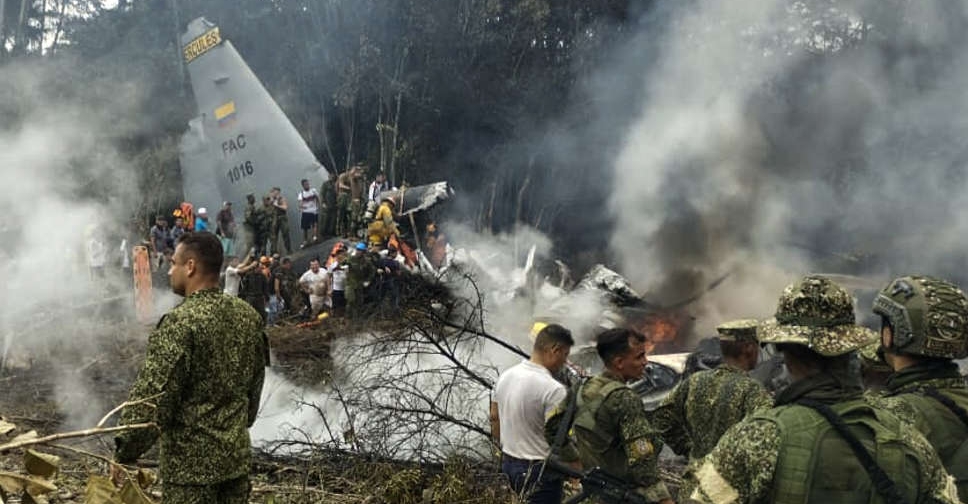 Death toll rises to 69 in Colombian military plane crash
 One killed, five injured in Bahrain from Iran strikes
 Qatar is not directly mediating between US and Iran, ministry spokesperson says
 Germany, France in rare rebuke of Trump over Iran war