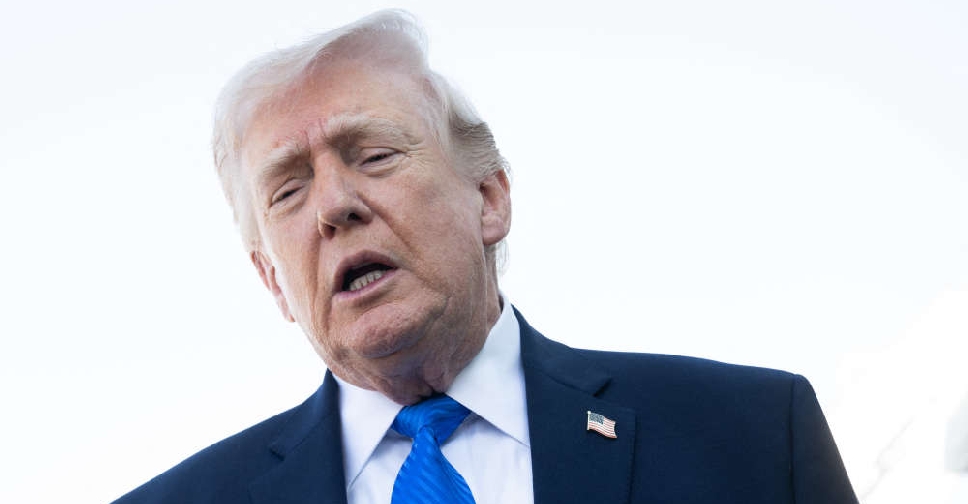
Germany and France have both spoken out against United States President Donald Trump's actions over the conflict in Iran in a rare rebuke of a major ally.
Since the US and Israel first attacked Iran on February 28, regional tensions have dramatically risen in the Middle East, while Europe has been forced to pick up the pieces and deal with the global impact on the economy, in particular with oil prices.
On Tuesday, Germany's President Frank-Walter Steinmeier produced a scathing verbal attack on Trump's foreign policy, deeming it "disastrous", which he said marked a rupture for German ties with its biggest post-war ally.
"Our foreign policy does not become more convincing just because we do not call a breach of international law a breach of international law," Steinmeier, a former foreign minister from the centre-left Social Democratic Party, said in a speech at the foreign ministry.
"We must address this with regard to the war in Iran. For, in my view, this war is contrary to international law," he said, adding he had little doubt that the justification of the imminent nature of an attack on U.S. targets did not hold water.
Calling the war unnecessary and a "politically disastrous mistake", Steinmeier said Trump's second term marked a rupture in German foreign relations as profound as Russia's invasion of Ukraine.
"Just as I believe there will be no going back in relations with Russia to before February 24, 2022, so too do I believe there will be no going back in transatlantic relations to before January 20, 2025," said Steinmeier.
Also on Tuesday, France's army chief Fabien Mandon told a security and defence forum in Paris that the US had become an unpredictable ally that was impacting France's interests and security.
"We were surprised by an American ally, who remains an ally, but who is becoming increasingly unpredictable and doesn't even bother to inform us when they decide to launch military operations," Mandon said.
"It has an impact on our security and it has an impact on our interests."
France and the United States are close NATO allies, but there has been a growing frustration in Paris over Washington's decision to launch its war on Iran in the Middle East after President Trump already angered European allies over his designs on Greenland.
Trump has also lambasted his allies for being unwilling to actively join operations to secure the Strait of Hormuz, a strategic chokepoint that carries about a fifth of global oil supplies and underpins Gulf economies.
"We intervened in Afghanistan at the request of the Americans, who invoked Article 5 of NATO, and they chose to withdraw without informing us," Mandon said.
"They have now decided to intervene in the Middle East without informing us. However, the immediate concern of the French armed forces has been to find solutions for France to protect citizens who were in transit in the region."

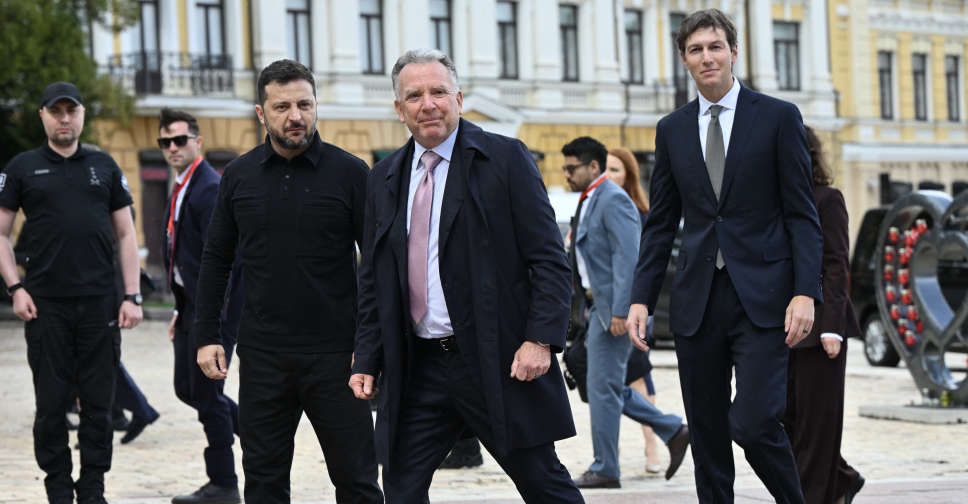 US peace envoys meet Zelenskyy in Kyiv after Putin talks
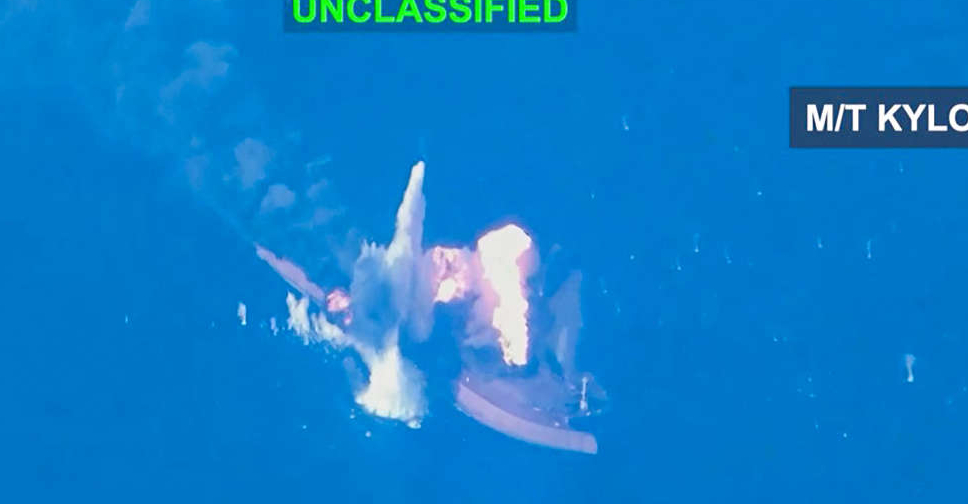 US targets three Iranian oil vessels after attack on Navy ships
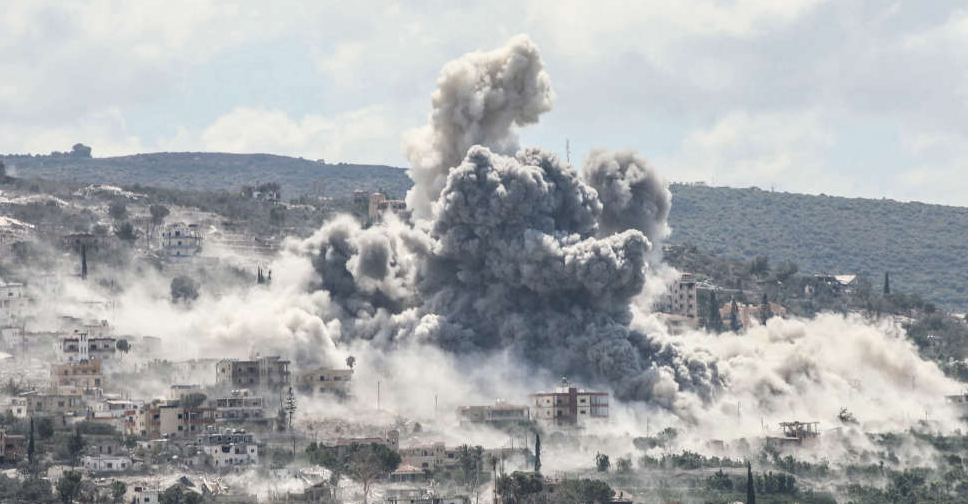 Four killed in Israeli strikes on southern Lebanon
 Indonesia's Anak Krakatau eruption halts flights, schools, fishing
 Putin says US-Russia contacts beneficial as talks begin with Witkoff and Kushner
 Chinese national rescued from Nepal tunnel 10 days after flash flood
 US envoys Witkoff, Kushner arrive in Moscow for talks on peace in Ukraine
 One dead, 11 people missing after mudslide in China's Jiangxi province