

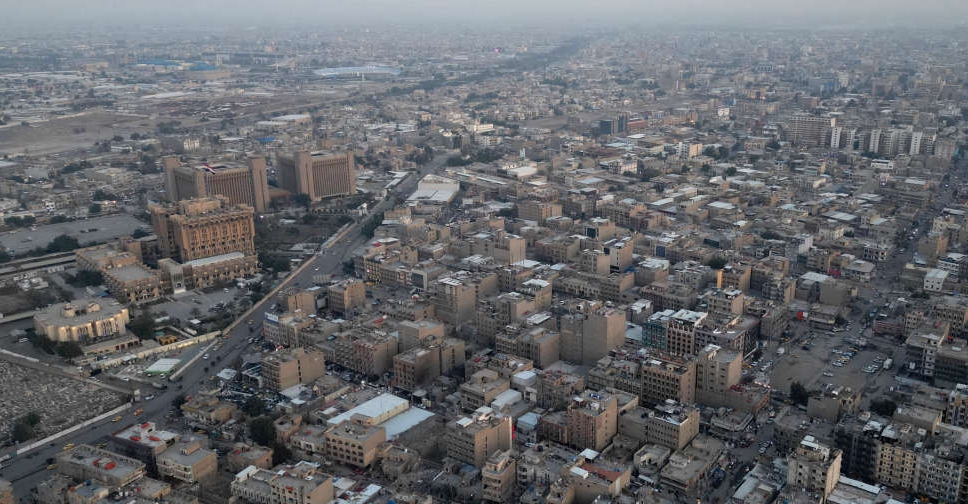
Iraq began its first full national census in more than three decades on Wednesday, a pivotal moment as it looks to gather demographic data for future planning and development.
The census, the first full one since Saddam Hussein was President in 1987, aims to provide a comprehensive count of Iraq's population, estimated to exceed 43 million people by the end of 2024, said Iraq's planning ministry spokesperson Abdul Zahra al-Hindawi.
All of Iraq is under curfew on Wednesday and Thursday, with the population instructed to stay home from work or school.
Between 120,000 and 140,000 specially-trained census takers will be asking residents to answer over 70 questions. Replies will be recorded on tablets and preliminary data could be available within 24 hours, Iraqi authorities say, with all results ready within two months.
Attempts at conducting a national census were delayed by years of conflict, instability, and disagreement among political factions, but with the country now in a period of stability, authorities hope the process will be completed successfully.
A census carried out in 1997 excluded the Iraqi Kurdistan region, which had been governed by Kurdish authorities since the 1991 Gulf War.
It counted 19 million Iraqis and officials estimated there were another 3 million in the Kurdish north, according to official statistics.
The census was repeatedly postponed over worries it was being politicised. Ethnic groups in contested areas like the northern city of Kirkuk, home to Arabs, Kurds, Turkmen, and a valuable part of Iraq's oil fields, opposed it because it might reveal demographics that would undermine political ambitions.
"We have fears (of the census) not only in Kirkuk but all other disputed areas which are subjected to strong disagreements between various powers," said Shwan Dawoodi, a Kurdish politician.
The data gathered will be used to guide decisions in areas such as infrastructure development, education, healthcare and social services, said Hindawi.
The census will feature only one question regarding religious affiliation — Muslim or Christian — and none about ethnic background or sectarian affiliation.
The Iraqi government has made extensive efforts to ensure the process, scheduled to take two days to complete, is as inclusive and accurate as possible, imposing a two-day curfew from midnight on Tuesday.

 Germany, France in rare rebuke of Trump over Iran war
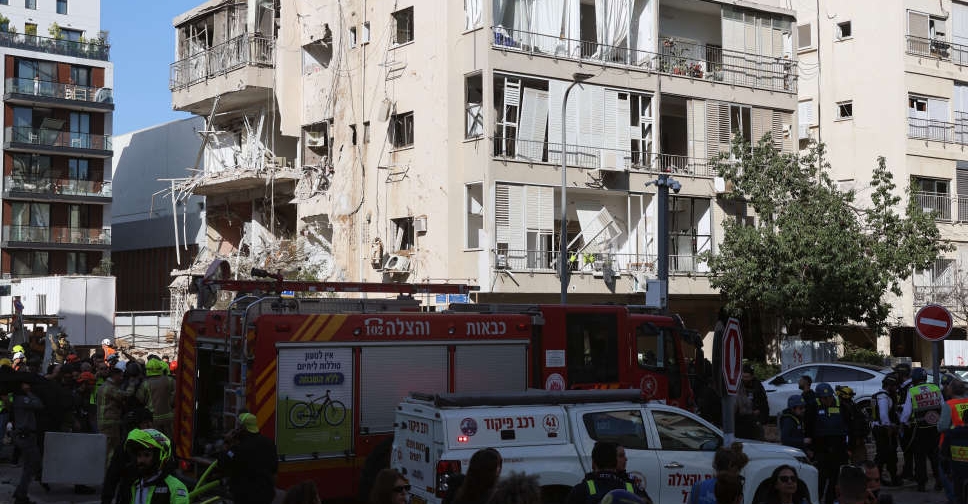 Iran sends missiles into Israel, dismisses Trump's talk of negotiations as 'fake news'
 Iran denies talks with US after Trump postpones strikes on power grid
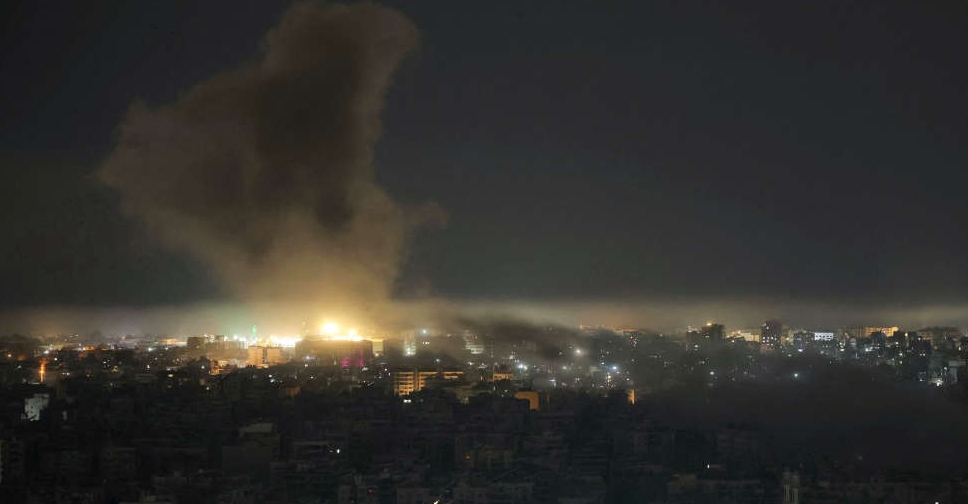 Israeli minister calls for annexation of southern Lebanon
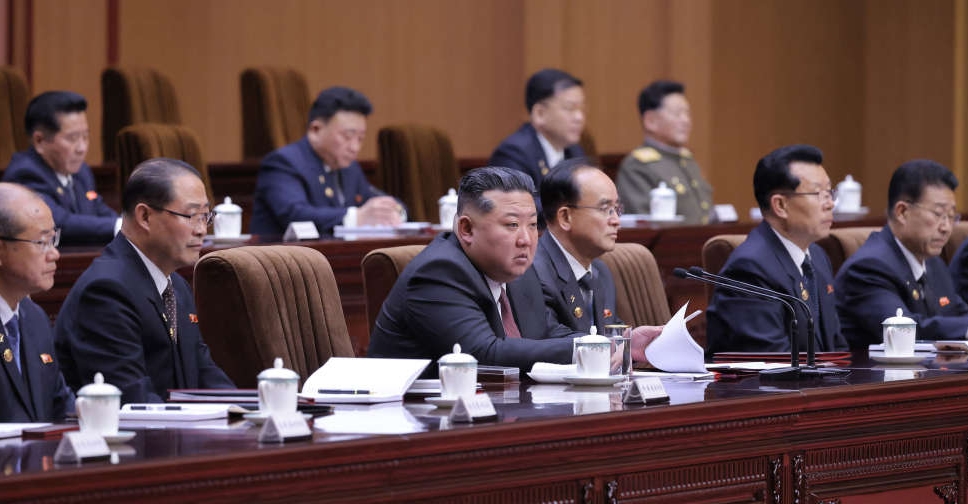 Kim Jong Un says North Korea’s nuclear status is irreversible, threatens South
 Japan to start releasing oil from joint stockpiles by end-March, PM says
 Death toll nearly doubles to 66 in Colombian military plane crash
 Seven overhead power lines out of service due to falling debris in Kuwait