
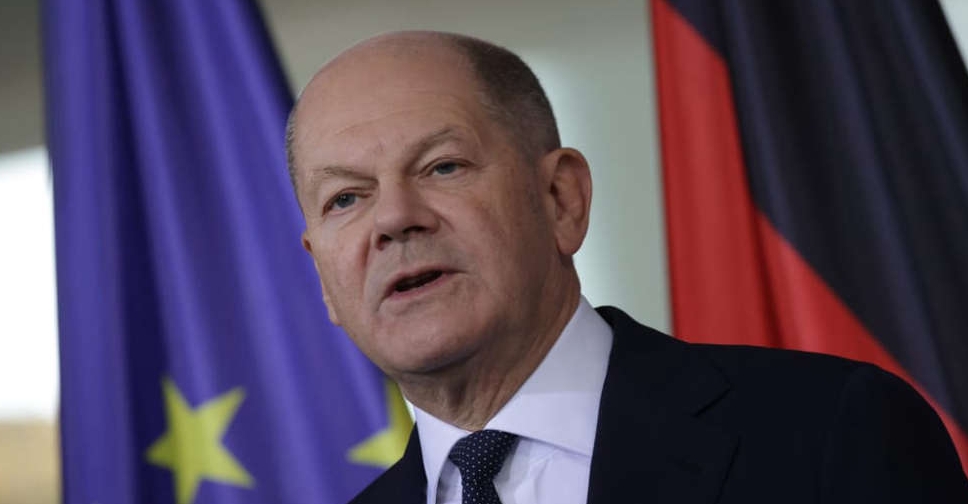
Germany's ruling coalition collapsed on Wednesday as Chancellor Olaf Scholz sacked his finance minister and paved the way for a snap election, triggering political chaos in Europe's largest economy hours after Donald Trump won the US presidential election.
After sacking Finance Minister Christian Lindner of the Free Democrats (FDP) party, Scholz is expected to head a minority government with his Social Democrats and the Greens, the second-largest party.
He would have to rely on cobbled-together parliamentary majorities to pass legislation and he plans to hold a parliamentary confidence vote in his government on January 15, which could trigger snap elections by the end of March.
Scholz said he would ask Friedrich Merz, leader of the opposition conservatives who are far ahead in polls, for support in passing the budget and boosting military spending. Merz is due to respond in a Thursday morning news conference.
The collapse of Scholz's three-way alliance caps months of wrangling over budget policy and Germany's economic direction, with the government's popularity sinking and far-right and far-left forces surging.
"We need a government that is able to act, that has the strength to make the necessary decisions for our country," Scholz told reporters.
Scholz said he fired Lindner for his obstructive behaviour on budget disputes, accusing the minister of putting party before country and blocking legislation on spurious grounds.
The move comes a day after the election of Republican Donald Trump as US president, with Europe scrambling to form a united response on issues from possible new US tariffs to Russia's war in Ukraine and the future of the NATO alliance.
The government crisis comes at a critical juncture for Germany, with a flatlining economy, aging infrastructure, and an unprepared military.
A political shake-up could fuel growing frustration with Germany's mainstream parties to the benefit of younger populist movements, including the anti-immigrant Alternative for Germany (AfD).
With France also facing political uncertainty after snap elections this year, turmoil in the European Union's two largest economies could hamper efforts to deepen the bloc's integration at a time when it is facing challenges from east and west.
The coalition has been at odds over how best to rescue Europe's largest economy, which is facing its second year of contraction and a crisis in its economic model after the end of cheap gas from Russia following its 2022 invasion of Ukraine and amid increasing competition from China.

 UN Human Rights Council adopts resolution condemning Iranian attacks
 Kuwait foils terror plot targeting state leaders
 Iran rejects Trump's talk of negotiation as Israel and Iran launch airstrikes
 Cyprus has opened discussion with UK over its bases, president says
 Netanyahu seeks to avoid snap vote as Iran war gives no boost in polls
 Luxury Paris hotel near Elysee reopens after fire forces brief closure
 Germany renews push for sugar tax and energy drinks ban for children
 No injuries reported as drone attack hits fuel tank at Kuwait's airport