
Germans vote in a national election on Sunday that looks too close to call, with the centre-left Social Democrats (SPD) mounting a strong challenge to retiring Chancellor Angela Merkel's conservatives.
Merkel has been in power since 2005 but plans to step down after the election, making the vote an era-changing event to set the future course of Europe's largest economy.
A fractured electorate means that after the election, leading parties will sound each other out before embarking on more formal coalition negotiations that could take months, leaving Merkel, 67, in charge in a caretaker role.
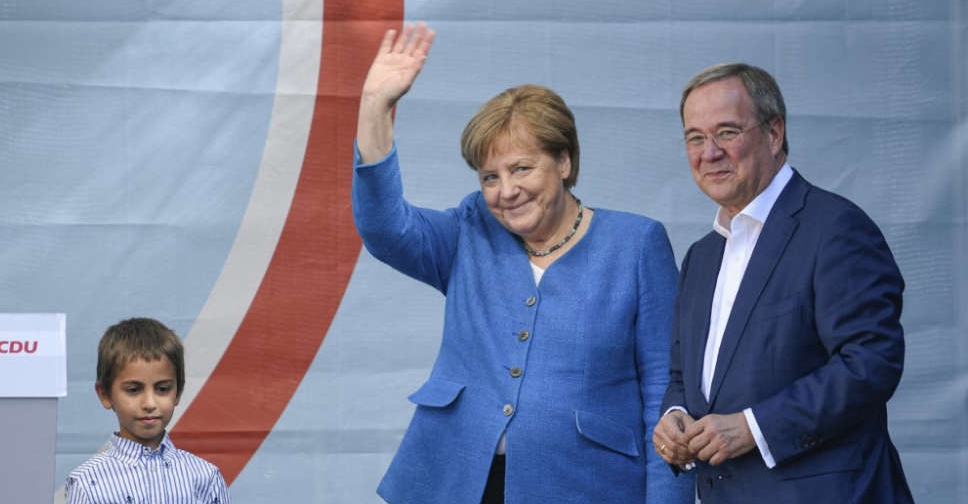
Campaigning in his home constituency of Aachen alongside Merkel, conservative candidate Armin said on Saturday that a leftist alliance led by the SPD with the Greens and the hard-left Linke party would destabilise Europe.
"They want to pull us out of NATO, they don't want this alliance, they want another republic," said Laschet, who is 60. "I don't want the Linke to be in the next government."
Running against Laschet is Olaf Scholz of the SPD, the finance minister in Merkel's right-left coalition who won all three televised debates between the leading candidates.
Scholz, 63, has not ruled out a leftist alliance with The Left but said NATO membership was a red line for the SPD.
After a domestic-focused election campaign, Berlin's allies in Europe and beyond may have to wait for months before they can see whether the new German government is ready to engage on foreign issues to the extent they would like.
The splintered political landscape means a three-way coalition is likely. Final opinion polls gave the Social Democrats a narrow lead, but the conservatives have reduced the gap in recent days and many voters were still undecided.
The most likely coalition scenarios see either the SPD or the conservative CDU/CSU bloc - whoever comes first - forming an alliance with the Greens and the liberal Free Democrats (FDP).
Scholz told supporters in his own constituency in Potsdam near Berlin that he was still hoping the SPD and Greens would secure a majority to rule alone without a third partner.
"The stronger the SPD, the easier it will be to form a coalition," Scholz said. "I don't know what will be possible but maybe it is possible for example to form an SPD-Greens coalition. I believe it is possible. We'll see."
Both the conservatives and the FDP reject a European "debt union" and want to ensure that joint European Union borrowing to finance the bloc's coronavirus recovery package remains a one-off. The SPD has talked about taking steps towards a fiscal union.
The Greens favour a common European fiscal policy to support investment in the environment, research, infrastructure and education.


 One killed, five injured in Bahrain from Iran strikes
 Qatar is not directly mediating between US and Iran, ministry spokesperson says
 Germany, France in rare rebuke of Trump over Iran war
 Philippine president declares energy emergency over Middle East conflict risks
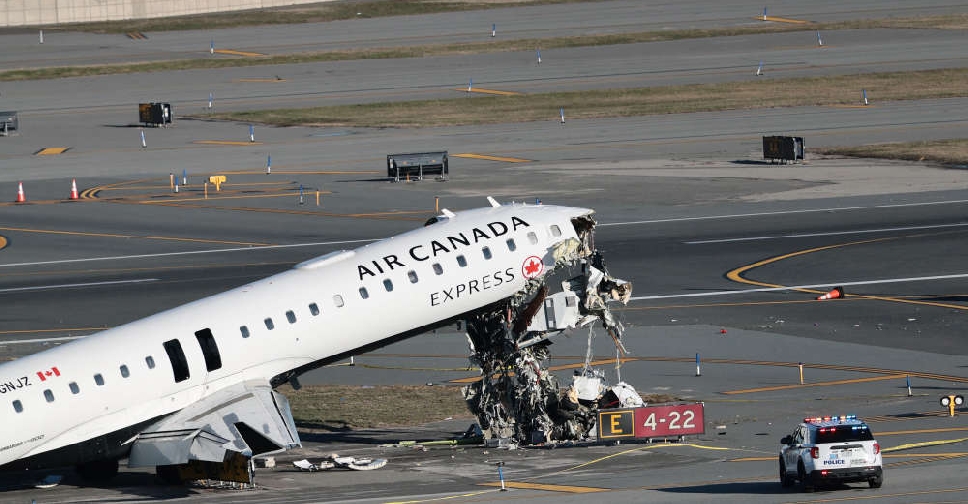 New York's LaGuardia airport faces second day of delays, cancellations after collision
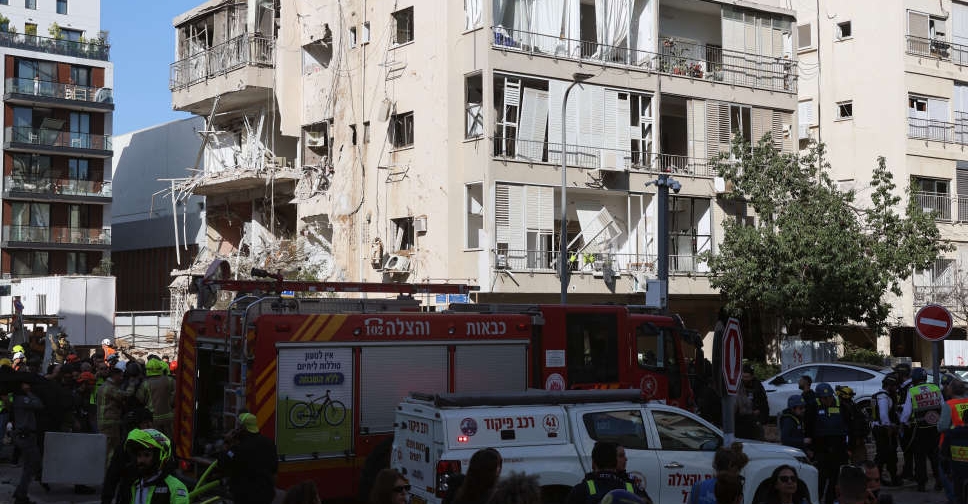 Iran sends missiles into Israel, dismisses Trump's talk of negotiations as 'fake news'
 Lebanon declares Iranian envoy persona non grata, asks him to leave by Sunday
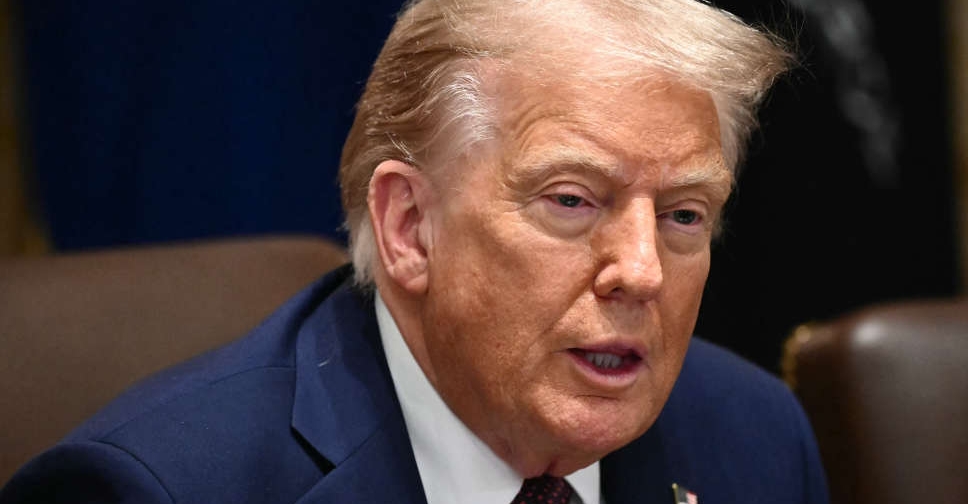 Iran denies talks with US after Trump postpones strikes on power grid