

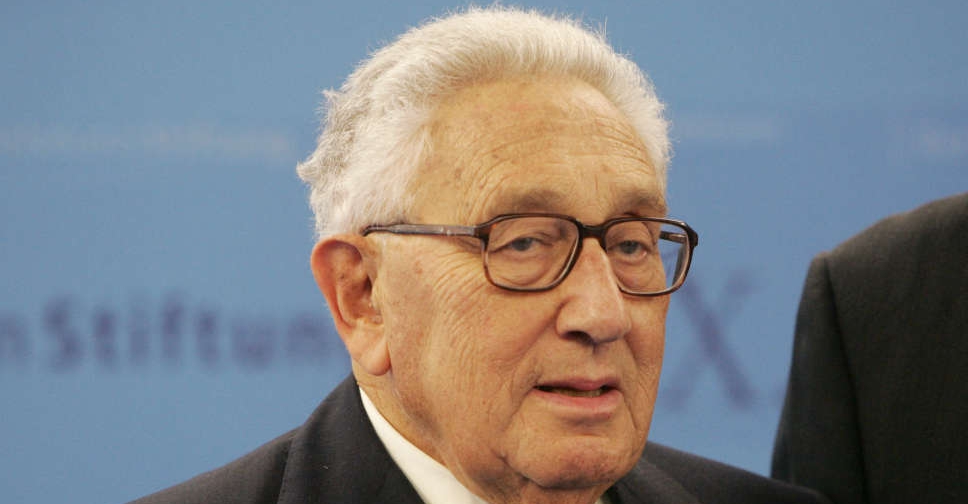
Henry Kissinger, a controversial Nobel Peace Prize winner and diplomatic powerhouse whose service under two presidents left an indelible mark on US foreign policy, died on Wednesday at age 100.
According to a statement from his geopolitical consulting firm Kissinger Associates Inc, he died at his home in Connecticut. No mention was made of the circumstances. It said he would be interred at a private family service, to be followed at a later date by a public memorial service in New York City.
Kissinger had been active past his centenary, attending meetings in the White House, publishing a book on leadership styles, and testifying before a Senate committee about the nuclear threat posed by North Korea. In July 2023 he made a surprise visit to Beijing to meet Chinese President Xi Jinping.
In the 1970s, he had a hand in many of the epoch-changing global events of the decade while serving as secretary of state under Republican President Richard Nixon. His efforts led to the diplomatic opening of China, landmark US-Soviet arms control talks, expanded ties between Israel and its Arab neighbours, and the Paris Peace Accords with North Vietnam.
Kissinger's reign as the prime architect of US foreign policy waned with Nixon's resignation in 1974 amid the Watergate scandal. Still, he continued to be a diplomatic force under Nixon's successor, President Gerald Ford, and to offer strong opinions throughout the rest of his life.
While many hailed Kissinger for his brilliance and broad experience, others branded him a war criminal for his support for anti-communist dictatorships, especially in Latin America. In his latter years, his travels were circumscribed by efforts by other nations to arrest or question him about past US foreign policy.
His 1973 Peace Prize - awarded jointly to North Vietnam's Le Duc Tho, who would decline it - was one of the most controversial ever. Two members of the Nobel committee resigned over the selection and questions arose about the US secret bombing of Cambodia.
Ford called Kissinger a "super secretary of state" but also noted his prickliness and self assurance, which critics were more likely to call paranoia and egotism. Even Ford said, "Henry in his mind never made a mistake."
"He had the thinnest skin of any public figure I ever knew," Ford said in an interview shortly before his death in 2006.
With his dour expression and gravelly, German-accented voice, Kissinger was hardly a rock star but had an image as a ladies' man, squiring starlets around Washington and New York in his bachelor days. Power, he said, was the ultimate aphrodisiac.
Voluble on policy, Kissinger was reticent on personal matters, although he once told a journalist he saw himself as a cowboy hero, riding off alone.


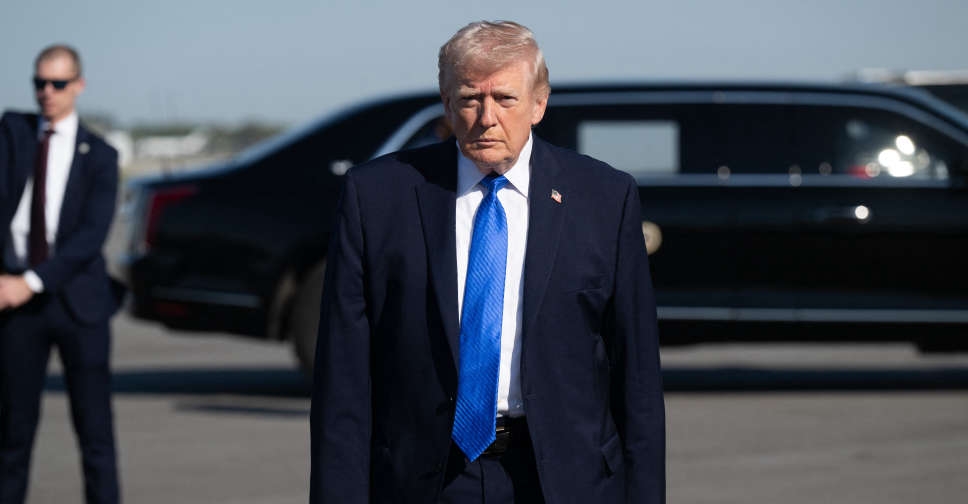 Iran rejects Trump's talk of negotiation as Israel and Iran launch airstrikes
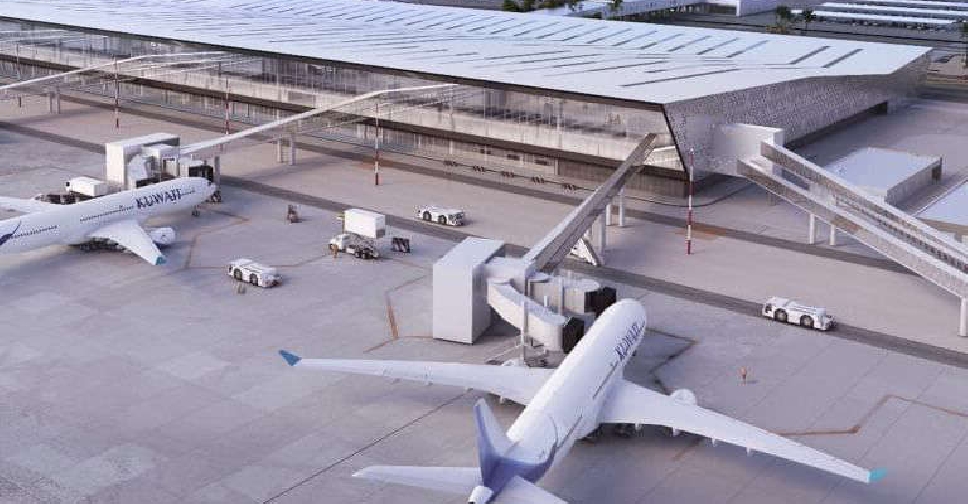 No injuries reported as drone attack hits fuel tank at Kuwait's airport
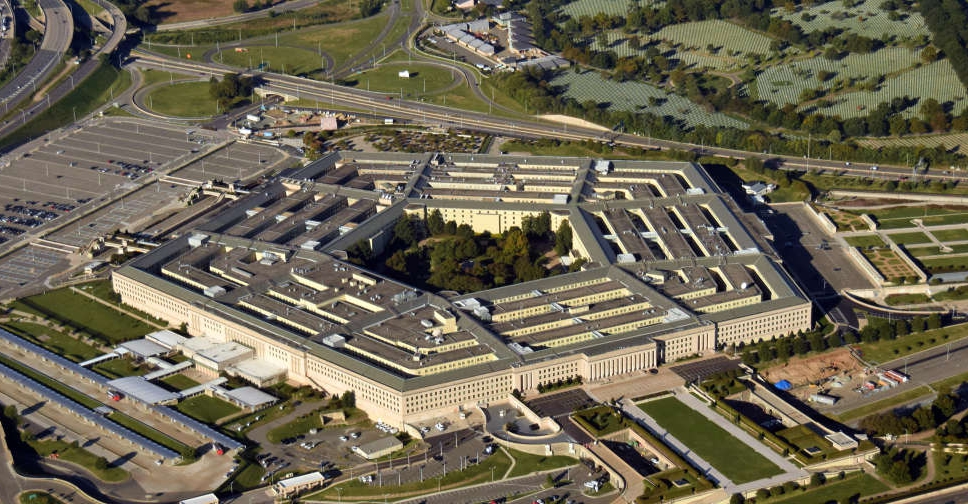 US expected to send thousands more soldiers to Middle East
 Philippines works with Washington to obtain oil from US-sanctioned countries
 US safety agency says tracking system failed at LaGuardia during jet collision
 Russia fires record 948 drones against Ukraine over 24 hours, Kyiv says
 Death toll rises to 69 in Colombian military plane crash
 One killed, five injured in Bahrain from Iran strikes