
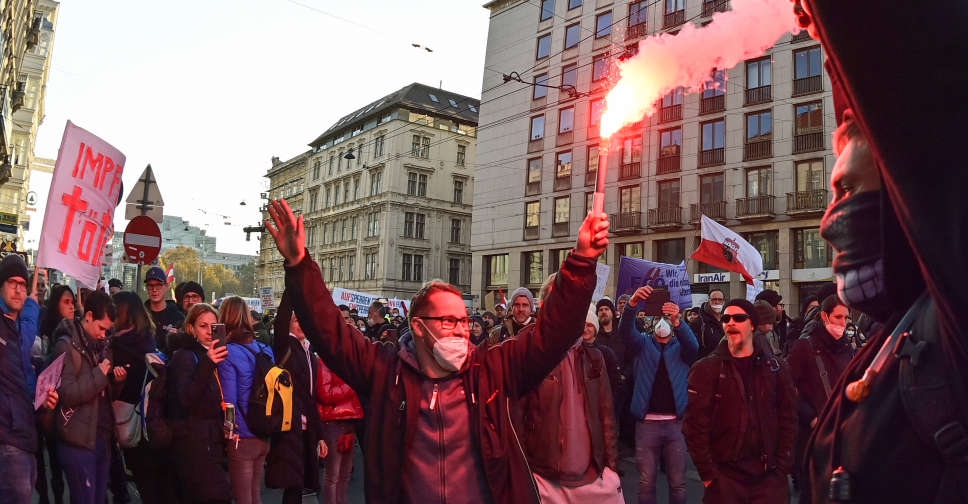
Austria entered its fourth national lockdown on Monday after tens of thousands of people protested in Vienna against renewed curbs on movement as Europe again becomes the epicentre of the coronavirus pandemic.
The Austrian government also announced it would make it compulsory to get vaccinated as of February 1 in a country where many are deeply sceptical about inoculations, a view encouraged by the Freedom Party, the third biggest in parliament.
The streets of Vienna were quieter than usual on Monday as cafe terraces stood empty and most shops remained closed.
About 40,000 people protested peacefully in Austria's capital on Saturday, with only six arrests. But protests against the reimposition of restrictions meant to contain COVID-19 contagion spreading anew turned violent in Belgium and the Netherlands over the weekend.
Stock markets kicked off the week on a cautious note after posting a second consecutive weekly drop, and the euro struggled as traders weighed the risks of new lockdowns.
"The problem in Europe is the spread of COVID-19 which means that more lockdowns and other health restrictions partly against the non-vaccinated should rapidly increase in the next two weeks," said Sebastian Galy, a strategist at Societe Generale. "That in turn should have a negative impact on some services and impact negatively growth, a scenario that had been ever more priced into the European equity market."
Roughly 66 per cent of Austria's population is fully vaccinated against COVID-19, one of the lowest rates in western Europe.
Restaurants, cafes, theatres, non-essential shops and hairdressers cannot open their doors for 10 days, and maybe as many as 20, the government says.
Christmas markets, a huge draw for tourists that had only just begun to open, must also close but, in a last-minute change, Austrian ski lifts can remain open to the vaccinated.
Hotels will, however, close to tourists not already staying there when the lockdown began. "It is a situation where we have to react now," Health Minister Wolfgang Mueckstein told ORF TV on Sunday night.
"A lockdown, a relatively tough method, a sledgehammer, is the only option to reduce the numbers (of infections) here."
The conservative-led government imposed a lockdown on the unvaccinated last week but daily infections kept extending far above the previous peak, given continued vaccine scepticism as winter draws in, driving more people indoors.
Riots broke out in cities across the Netherlands on Sunday, the third night in a row that police clashed with mobs of angry youths who set fires and threw rocks to protest at COVID-19 restrictions.
Police and protesters clashed in the streets of Brussels on Sunday, with officers firing water cannon and tear gas at demonstrators throwing rocks and smoke bombs, witnesses said.
In many parts of Germany, including its capital Berlin, Christmas markets opened for the first time in two years on Monday even as the COVID-19 infection rate reached a fresh record.
But states bordering Austria and the Czech Republic that have by far Germany's highest case numbers have introduced stricter rules including cancelling Christmas markets, barring the unvaccinated from restaurants and bars, and nighttime curfews.


 One killed, five injured in Bahrain from Iran strikes
 Qatar is not directly mediating between US and Iran, ministry spokesperson says
 Germany, France in rare rebuke of Trump over Iran war
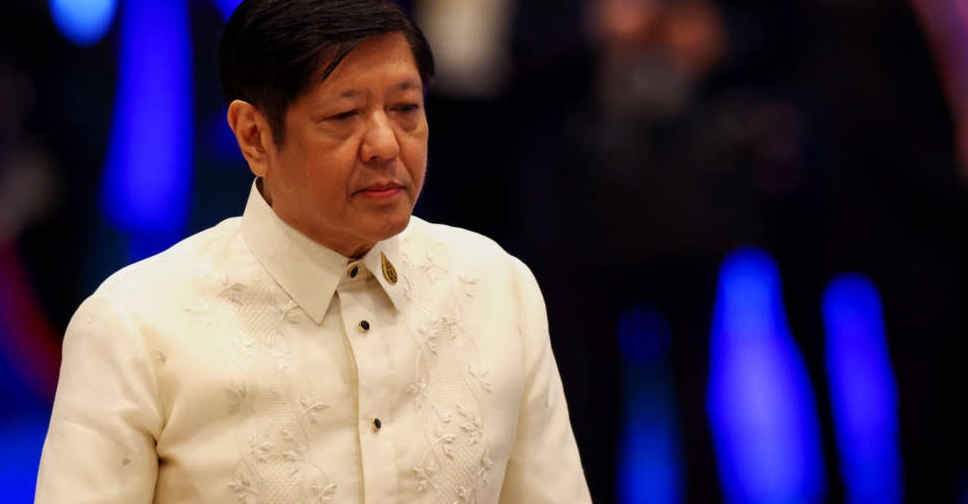 Philippine president declares energy emergency over Middle East conflict risks
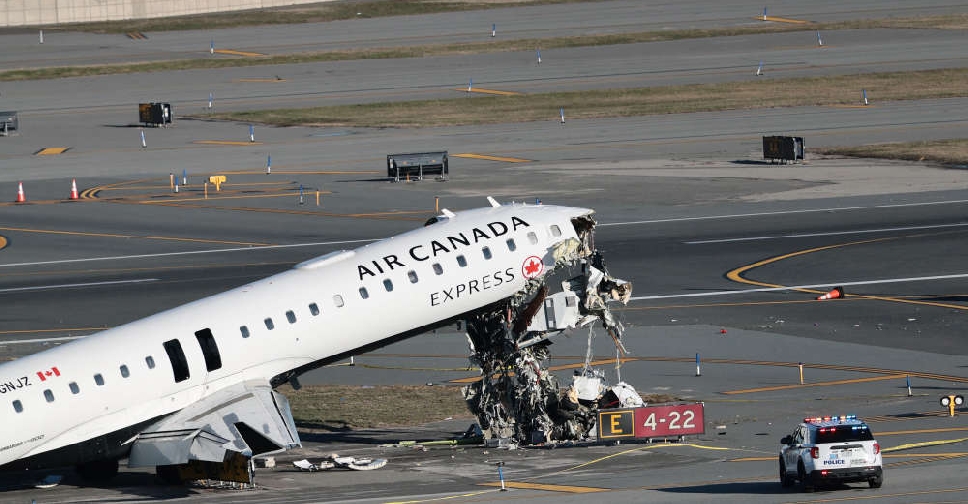 New York's LaGuardia airport faces second day of delays, cancellations after collision
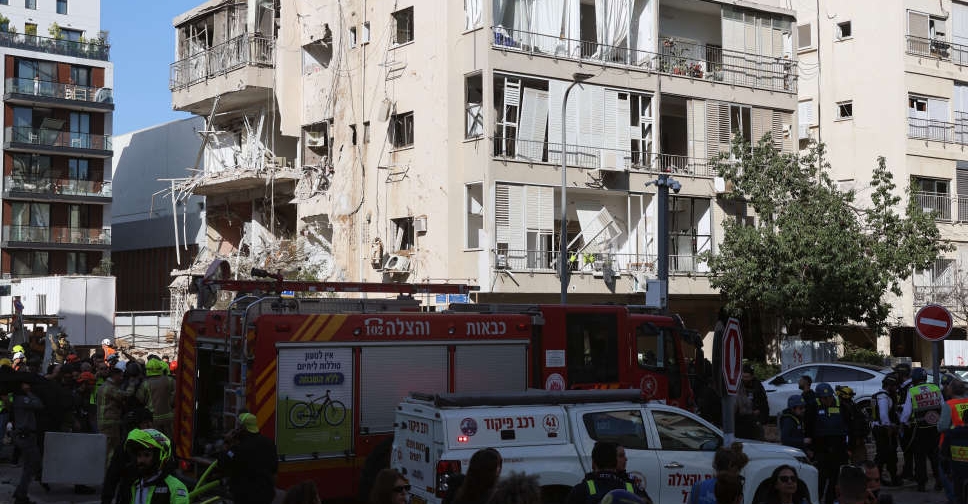 Iran sends missiles into Israel, dismisses Trump's talk of negotiations as 'fake news'
 Lebanon declares Iranian envoy persona non grata, asks him to leave by Sunday
 Iran denies talks with US after Trump postpones strikes on power grid