


The World Health Organisation (WHO) said that at least one child death had been reported following an increase of acute hepatitis of unknown origin in children, and that at least 169 cases had been reported in children in 12 countries.
The WHO issued the figures as health authorities around the world investigate a mysterious increase in severe cases of hepatitis - inflammation of the liver – in young children.
The WHO said that as of April 21 acute cases of hepatitis of unknown origin had been reported in the United Kingdom, the United States, Spain, Israel, Denmark, Ireland, the Netherlands, Italy, Norway, France, Romania and Belgium. It said 114 of the 169 cases were in the United Kingdom alone.
The cases reported were in children aged from one month to 16 years, and 17 had required liver transplantation, it said. It gave no details of the death that it said had been reported, and did not say where it occurred.
The WHO said a common cold virus known as an adenovirus had been detected in at least 74 cases. COVID-19 infection was identified in 20 of those tested and 19 cases were detected with a COVID-19 and adenovirus co-infection, it said.
The WHO said it was closely monitoring the situation and working with British health authorities, other member states and partners.
US health officials have sent out a nationwide alert warning doctors to be on the lookout for symptoms of pediatric hepatitis, possibly linked with a cold virus, as part of a wider probe into unexplained cases of severe liver inflammation in young children.


 US expected to send thousands of soldiers to Middle East
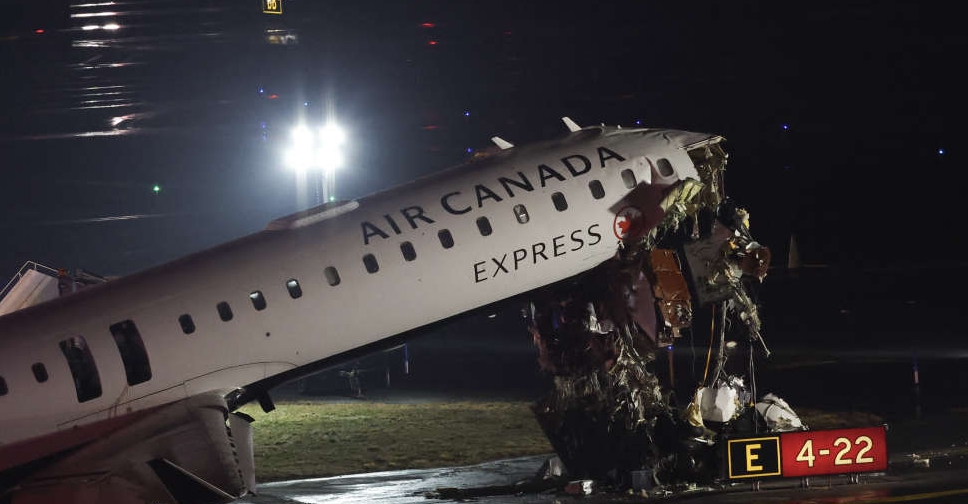 US safety agency says tracking system failed at LaGuardia during jet collision
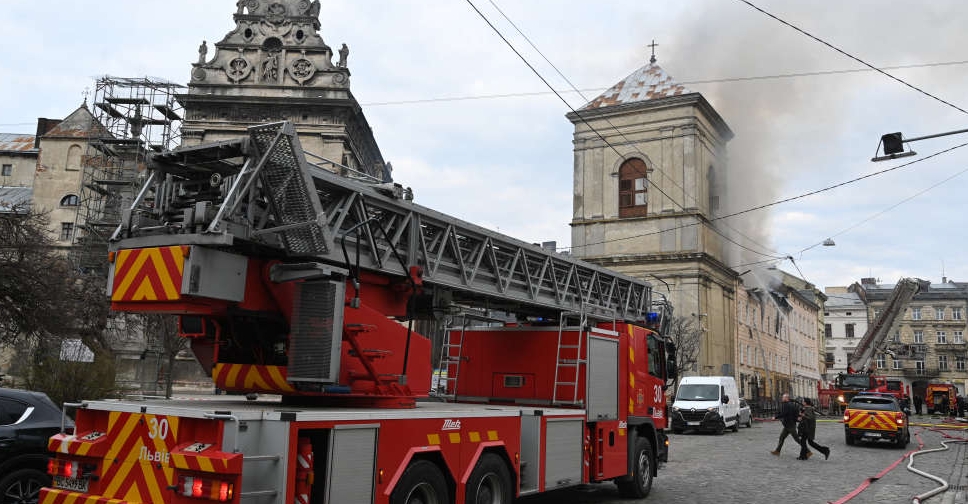 Russia fires record 948 drones against Ukraine over 24 hours, Kyiv says
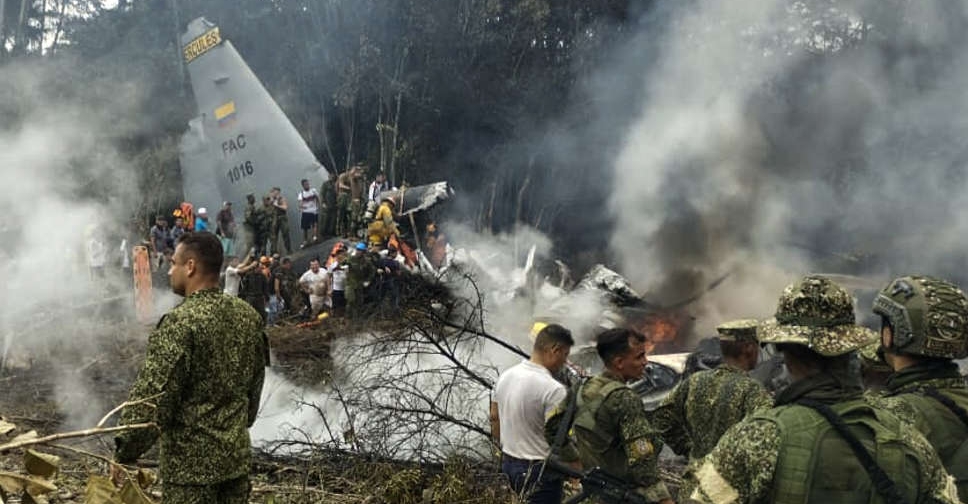 Death toll rises to 69 in Colombian military plane crash
 One killed, five injured in Bahrain from Iran strikes
 Qatar is not directly mediating between US and Iran, ministry spokesperson says
 Germany, France in rare rebuke of Trump over Iran war
 Philippine president declares energy emergency over Middle East conflict risks