

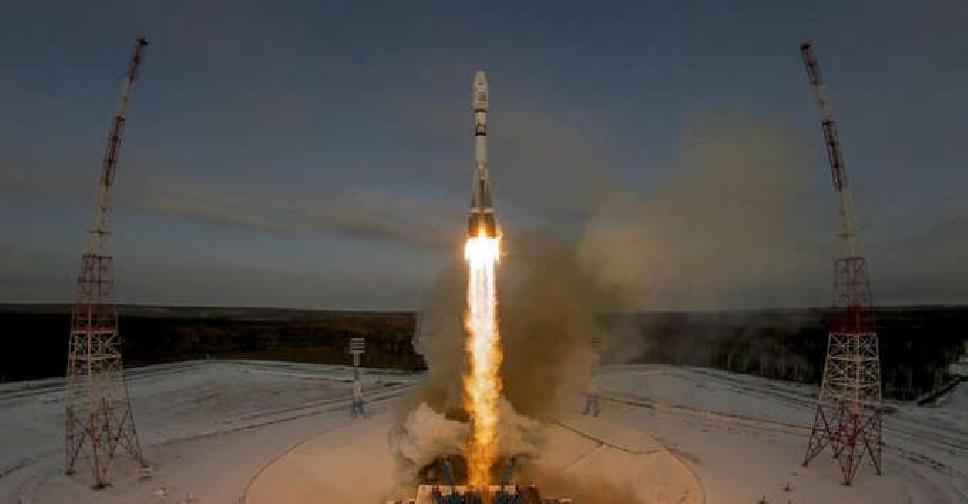
The UAE satellite, known as PHI-Demo, developed by the Mohammed Bin Rashid Space Centre (MBRSC) in partnership with the Emirati private space sector, has successfully launched into space.
The satellite lifted off aboard the Soyuz 2 rocket at 3.34 pm (UAE time), June 27, from Vostochny Cosmodrome in Russia.
The first mission of the Payload Hosting Initiative (PHI) carries two innovative technologies to be tested for the first time in space.
The first is a communication system for the Internet of Things (IOT) that collects data from devices and sensors located on Earth. The satellite then stores and sends the data to the Mission Control Centre at MBRSC.
The second is a clean, safe and environmentally friendly propulsion system.
First highlights of the launch of the Soyuz-2 rocket, carrying the PHI-Demo satellite from the Vostochny Cosmodrome in Russia. The PHI-Demo’s payload includes two technologies that will be tested in space for the first time.#PHIDemo pic.twitter.com/1Sg2qtk7Wo
— MBR Space Centre (@MBRSpaceCentre) June 27, 2023
What are the technologies carried aboard the PHI-Demo satellite, to be tested for the first time in space? The satellite will launch at 3:34 PM (UAE time), while the live coverage will start at 2:45 PM: https://t.co/OZCAe55LXS pic.twitter.com/8FV53N1pxl
— MBR Space Centre (@MBRSpaceCentre) June 27, 2023


 UAE sends humanitarian aid to earthquake-hit Colombia
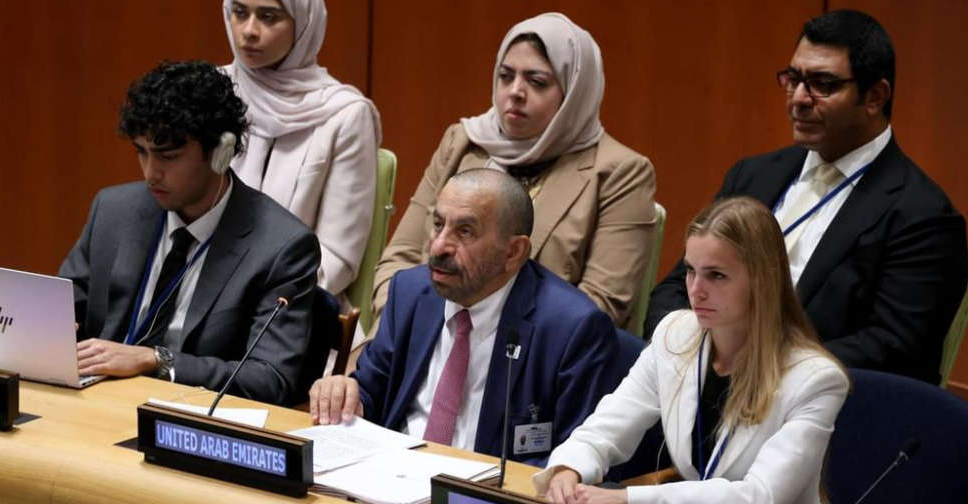 UAE calls for global action to combat extremism and hate speech
 Four UAE aid convoys deliver 781 tonnes of supplies to Gaza
 Etihad Rail launches cargo service from Fujairah to Industrial City of Abu Dhabi
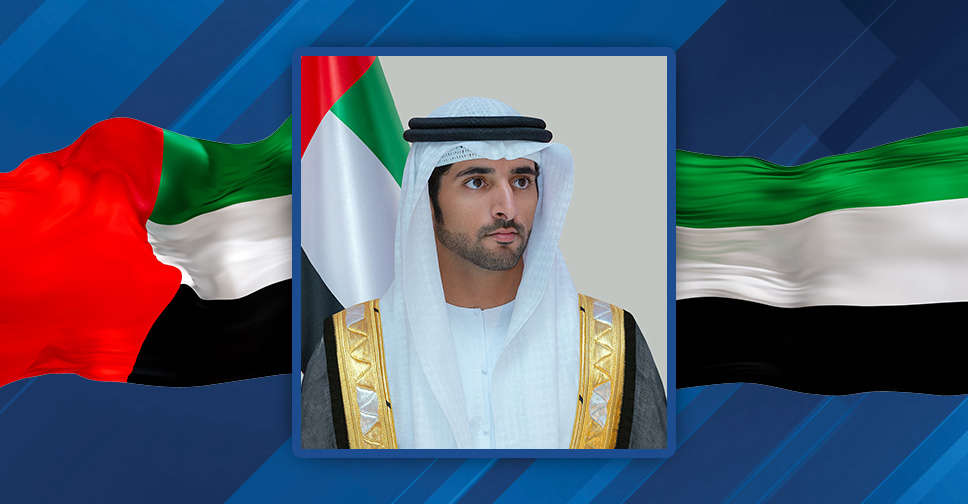 H.H. Sheikh Hamdan announces new Acting Director General of Dubai Ruler's Court
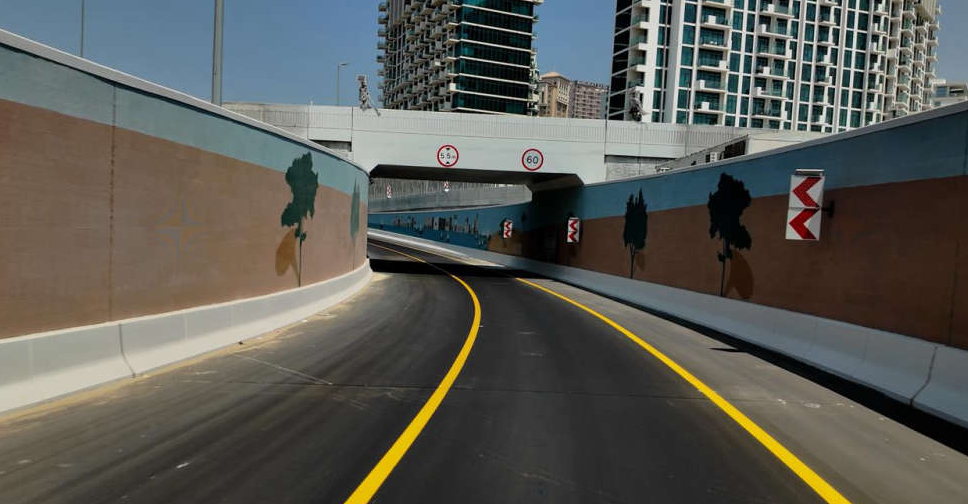 RTA completes works on Oud Metha, Al Asayel Streets development project
 UAE President, Indian PM discuss stronger bilateral ties