


Over 1,200 cases of internet begging were detected by the UAE Cybersecurity Council in 2024, as a warning comes of fraudulent donation campaigns exploiting social media, particularly during the holy month of Ramadan.
The Head of Cybersecurity of the UAE Government, Dr. Mohamed Al Kuwaiti, has highlighted the growing threat of digital begging, where fraudsters manipulate public sentiment using fake accounts, emotional videos, and deepfake technology to impersonate real individuals and solicit donations from unsuspecting victims.
He stressed that cybersecurity measures play a crucial role in countering these scams, utilising advanced technologies to detect fraudulent accounts, analyse suspicious patterns, and track illicit financial transactions.
Authorities are collaborating with security agencies and financial institutions to shut down fake accounts and prosecute offenders.
Al Kuwaiti urged the public to verify donation requests and report suspicious online begging to authorities. The UAE Cybersecurity Council has also advised against donating through unverified social media accounts, emphasising the importance of using only licenced organisations.
The council also warned of phishing attempts aimed at stealing personal and financial data, urging vigilance against deceptive messages, unverified links, and urgent donation appeals.

 Dubai strengthens living standards in workers’ communities
 H.H. Sheikh Mohammed explores project documenting history of 'Al Khuzam'
 H.H. Sheikh Hamdan stresses need for more specialised jobs for Emiratis
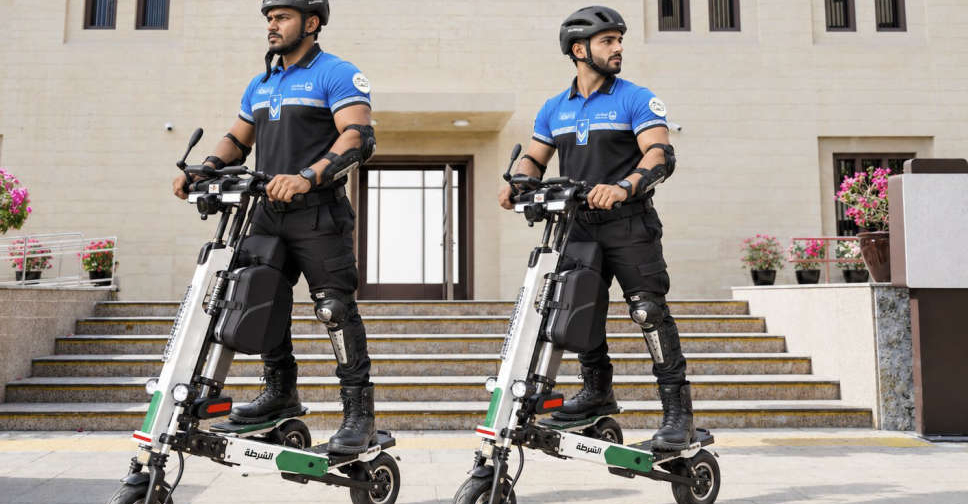 Dubai Police arrests 3, recovers AED 190,000 within minutes of theft
 Abu Dhabi expands AI literacy programme across 170+ private schools
 UAE President congratulates Ethara team for 'F1 Promoter of the Year' win
 UAE-Sweden joint operation targets organised crime network
 UAE expands support for Nepal with sixth aid plane